
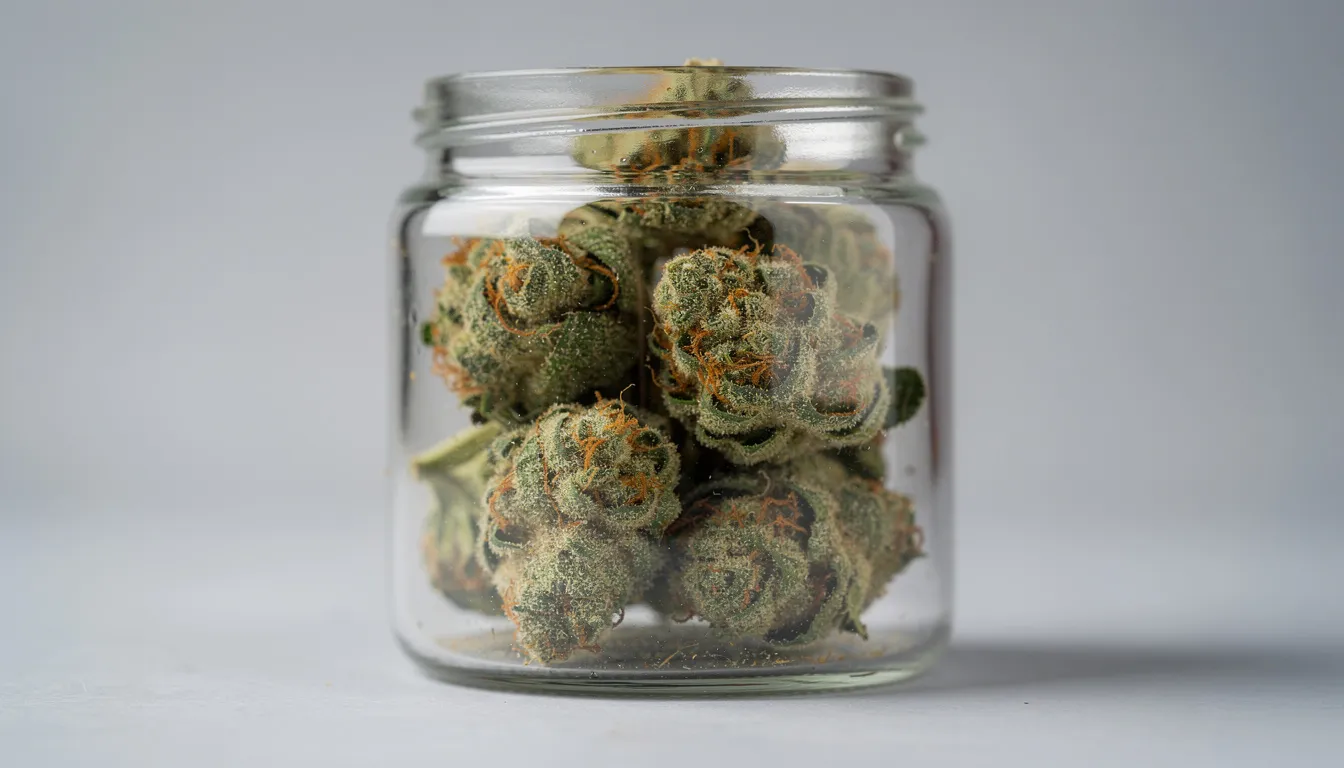
Medical cannabis strains & prices in Germany (as of 2025)
Key findings
Prices for medical cannabis strains vary considerably in Germany – depending on origin, potency, and dosage form, patients with a private prescription pay between approximately €6.50 and €12.50 per gram for cannabis flowers. However, if the costs are covered by statutory health insurance, usually only the legally mandated co-payment of a maximum of €10 per dispensing is required.
-
Typical price range for medical cannabis flowers: German-grown produce often costs €8.50–10.50/g for self-payers, while imported goods from Canada, Portugal or the Netherlands can cost €9.50–12.50/g.
-
Health insurance prescription vs. private prescription: With approval from statutory health insurance, insured persons only pay a co-payment of €5–10 per medication – the actual pharmacy price then hardly matters.
-
Influence of variety and dosage form: High-potency strains with over 22% THC tend to be at the upper end of the price scale; cannabis extracts and finished medicinal products are usually more expensive per mg of active ingredient than flowers.
-
Market development 2017–2025: Since the Cannabis as Medicine Act of March 2017, cannabis flowers and extracts have been prescribable. The market grew significantly between 2023 and 2025 – more suppliers, greater variety of strains, and improved availability characterize the current landscape.
-
A notice: All prices mentioned are examples. Regional differences, pharmacy surcharges, and current market developments may lead to deviations.
Basics: Medical cannabis strains & pricing
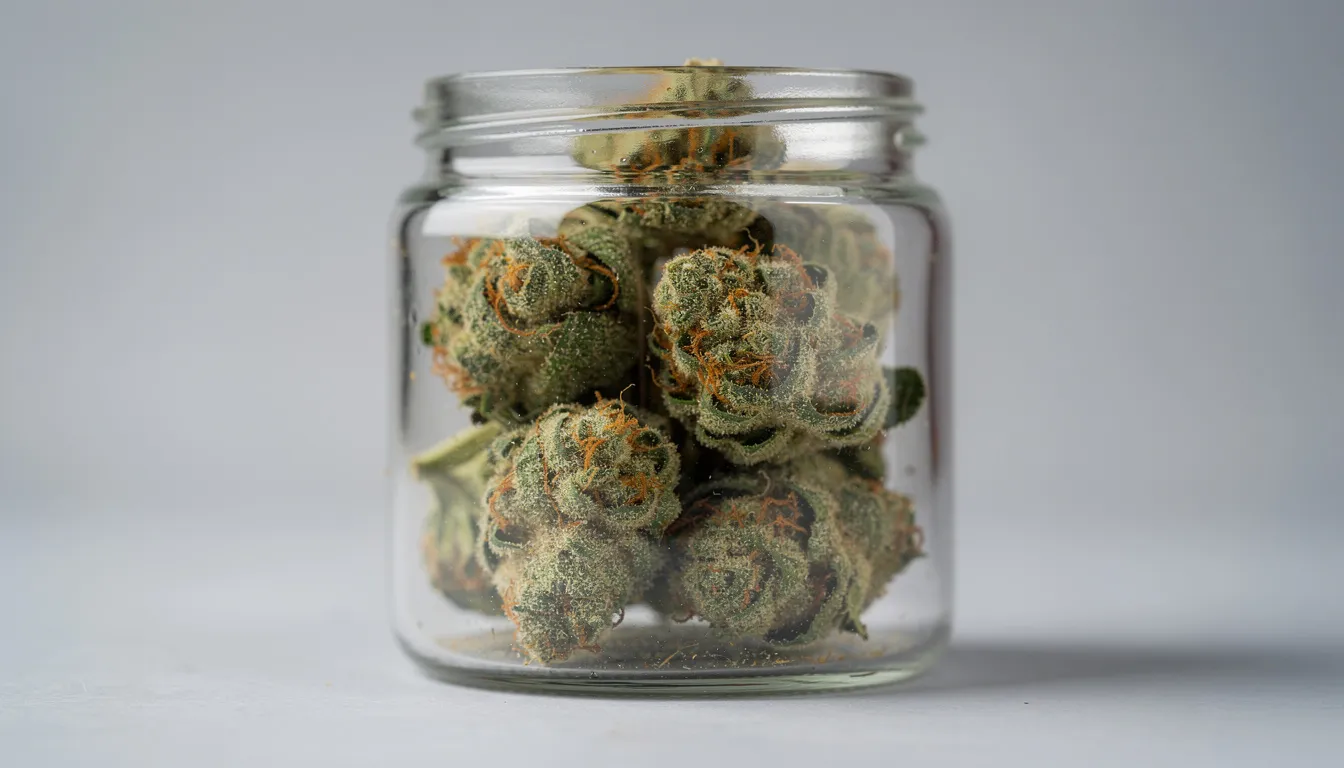
In Germany, medical cannabis strains are defined as standardized flowers of the cannabis plant that are cultivated and tested according to precise specifications. These are classified according to their active ingredient content – for example, as 18/1 (18% THC, less than 1% CBD) or 22/1 – and include various chemovars such as hybrid indica-dominant, hybrid sativa-dominant, or balanced varieties. Full-spectrum extracts and cannabinoid-based finished medicinal products are also available. Prices in Germany are regulated by the Drug Price Ordinance (AMPreisV), which sets a certain framework for pricing.
A practical example: A doctor selects a high-THC strain (e.g., 22/1) for a patient with chronic pain to achieve sufficient pain relief. The prescription is made after an individual assessment of the symptoms and consideration of tolerability. The selection of the appropriate medical cannabis strain and dosage form is always tailored to the patient's needs.
-
Legal framework since 2017: The German Narcotics Act (BtMG) was amended by the "Cannabis as Medicine" Act of March 10, 2017. Since then, medical cannabis can be prescribed on a controlled substance prescription, and its regulation is carried out by the Federal Institute for Drugs and Medical Devices (BfArM).
-
Overview of cost components: The final price in the pharmacy is made up of the purchase price from the wholesaler or importer, the manufacturing costs in the pharmacy (weighing, portioning, possibly blister packaging), the statutory pharmacy markup and the value added tax.
-
Various chemovars: Germany offers THC-dominant, CBD-dominant, and balanced strains. The price depends less on the traditional sativa or indica classification and more on the manufacturer, country of origin (Germany, Canada, Portugal, Denmark, etc.), and the specific cannabinoid content.
-
List price and reference price: The pharmaceutical company sets a selling price, which pharmacies list in their price lists. This serves as the starting point for calculating the final price, with the markups regulated by the German Drug Price Ordinance (AMPreisV).
Current price ranges: Cannabis flowers by origin and potency
The price range for medicinal cannabis flowers varies considerably depending on origin, potency, and source. This price range refers to various medicinal cannabis flowers available in Germany with a doctor's prescription and within the framework of legal regulations. As of 2024/2025, significant differences are evident between German-grown and imported products, as well as between prices covered by health insurance and private purchase.
-
German cultivation: Since the BfArM tender, the maximum selling price to pharmacies has been around €4.30 per gram. For self-paying customers, this results in a typical final price of approximately [amount missing] after markups. €8.50–10.50/g . Cheaper German varieties can be found for as little as €6.50/g.
-
Imported flowers from Canada, the Netherlands, Portugal and Denmark: The final prices for private prescriptions are typically around €9.50–12.50/g , depending on the THC content (e.g., 18–22% THC) and the specific producer. Some premium varieties may cost even more.
-
Influence of the active ingredient content: Strains with very high THC content (≥ 24%) tend to be at the upper end of the price range due to higher purchase prices, processing losses, and increased demand. This applies, for example, to varieties like Ghost Train Haze or other high-potency genetics.
-
Example calculations for typical prescription quantities (self-pay patients):
-
10 g × 10 €/g = approx. 100 €
-
30 g × 10 €/g = approx. 300 €
-
60 g × 10 €/g = approx. 600 €
-
Additional prescription fees and shipping costs may apply.
-
In case of statutory health insurance coverage: For those with statutory health insurance and an approved application, the co-payment is usually only a maximum of 10 euros per delivery – regardless of the actual price per gram or the chosen variety.
Prices of cannabis extracts and cannabinoid-based finished medicinal products
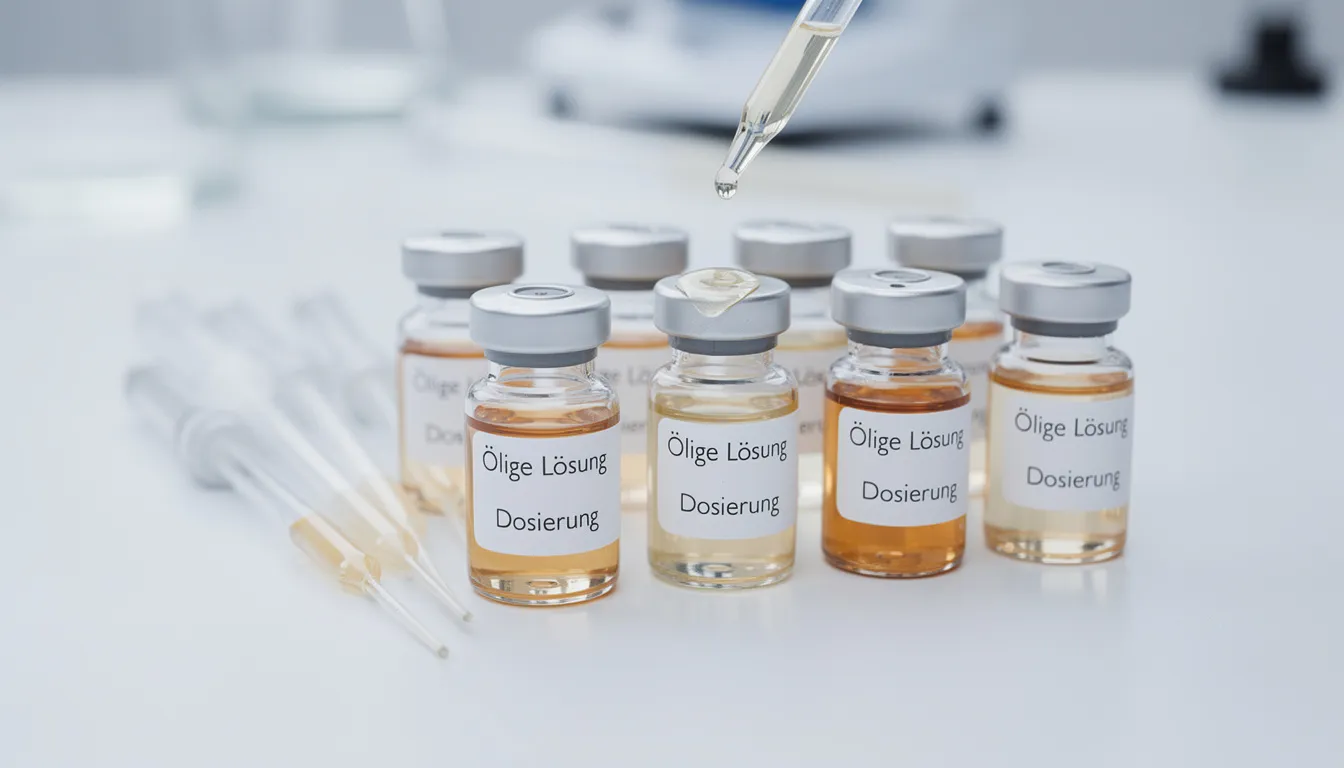
In addition to cannabis flowers, standardized full-spectrum extracts and approved [products] are also available in Germany. finished medicinal products available. This includes THC- or CBD-containing solutions, oral sprays, and preparations with synthetic cannabinoids. These usually appear significantly more expensive per mg of active ingredient than flowers, but offer advantages in terms of precise dosage.
-
Full-spectrum extracts: Typical concentrations are, for example, 10 mg/ml THC + 10 mg/ml CBD or 25 mg/ml THC. Common bottle sizes are 10–30 ml. The cost for a private prescription is approximately... 150–300 euros per bottle , depending on strength and manufacturer
-
Example calculation for cannabis extract: A 10 ml bottle containing 25 mg/ml THC costs approximately €200–250 for self-paying patients. If approved by private or statutory health insurance, the insurance covers the majority of the cost, and the patient only pays the co-payment.
-
THC drugs (dronabinol, nabilone): These are usually prepared in pharmacies as oil-based drops or capsules according to NRF (German Pharmaceutical Codex) formulas. The prices per mg of THC are higher compared to flowers – with a private prescription, the cost can be several euros per mg.
-
THC/CBD-based oral sprays: The price per pack ranges from the upper double digits to the low triple digits. In Germany, they are approved for specific indications such as spasticity in multiple sclerosis, which increases the likelihood of reimbursement by statutory health insurance.
-
Dosage advantages: Extracts and finished medicinal products allow for more precise dosing than flowers and are particularly suitable for patients who require a consistent effect.
Live inventory and availability of medical cannabis strains
The availability of medical cannabis strains is a key issue for many patients in Germany. The so-called live stock, meaning the daily availability of cannabis flowers, cannabis extracts, and capsules in pharmacies, can vary significantly depending on the region and supplier. Many specialized pharmacies regularly publish updated lists online, allowing patients to easily find the latest products. currently available cannabis strains can view.
The range includes a wide selection of strains – from hybrid indica-dominant and hybrid sativa-dominant to classic indica and sativa genetics. Particularly popular are strains like White Widow, Amnesia Haze, Sweet Skunk, and Pink Kush, known for their consistent quality and reliable effects. Modern hybrids, specifically bred for certain medical needs, are also frequently available.
Availability can vary depending on the pharmacy, region, and supply chain. While some pharmacies carry a wide range of medical cannabis flowers and capsules, others specialize in specific strains. It is recommended to consult with your doctor and pharmacist to select the most suitable strain and to regularly check current stock levels. This ensures the desired quality and effectiveness for your specific treatment.
Patients benefit from the growing variety of cannabis strains in Germany, but should remain flexible in case a preferred strain is temporarily unavailable. Close collaboration with the treating physician and the consulting pharmacy is key to successful and continuous therapy.
Public health insurance prescription vs. private prescription: What patients actually pay
The difference between a prescription for controlled substances with approved insurance coverage and a private prescription has a greater impact on the effectively paid price than the choice of a specific cannabis strain. Those paying out of pocket bear the full cost themselves – with insurance approval, the financial burden drops drastically. This section provides an overview of the different scenarios.
-
Statutory health insurance (GKV): The path to reimbursement involves an application according to § 31 para. 6 SGB V (German Social Code, Book V). The treating physician prepares a report with justification, the health insurance company reviews it and decides on approval or rejection. If approved, insured persons generally only pay a small fee. 5–10 Euro co-payment per submission
-
Private health insurance (PKV): Reimbursement depends on the individual policy. Some policies cover 80–100% of medication costs, while others explicitly exclude cannabis medication. Therefore, it is advisable to clarify this with your insurance company beforehand.
-
Private prescriptions for self-paying patients: Typical monthly costs can be considerable: 30g of flowers at €10/g amount to approximately €300, and a bottle of full-spectrum extract costs €200–250. With chronic use, this quickly adds up to a significant financial burden.
-
Exemption from co-payments: In Germany, insured individuals can apply for an exemption from co-payments if their out-of-pocket expenses exceed a certain threshold (2% or 1% of their annual gross income for chronically ill individuals). This also applies to cannabis-based medications.
-
Practical tip: Collect all receipts, actively ask your health insurance provider about reimbursement options, and seek social welfare advice (e.g., patient counseling, self-help groups) if problems arise.
Price comparison and selection of medical cannabis strains in practice
Numerous online portals offer daily updated price lists and live stock information from specialized pharmacies. Patients can thus compare different types and suppliers and find the option that best suits their needs. A well-thought-out price comparison saves money without compromising quality.
-
Typical comparison criteria:
-
Price per gram
-
Selection of various medical Cannabis flowers (variety and availability of cannabis flowers as a key criterion)
-
Available THC/CBD strengths (e.g., 14/1, 18/1, 22/1, medium THC variants)
-
Classification: hybrid, hybrid sativa, hybrid indica
-
Cultivation method (Indoor, Greenhouse)
-
Country of origin and manufactured according to GMP guidelines
-
Laboratory analyses (pesticides, heavy metals, microbiological quality)
-
Product range 2024/2025: Many specialized pharmacies carry more than 50–100 different products. Flower varieties and several extracts. Well-known strains such as White Widow, Pink Kush, Amnesia Haze, Gorilla, Sweet Skunk, Ice Cream Cake, La Kush Cake, Jet Fuel Gelato, First Class Funk, Chem de la Chem, Electric Honeydew, Sugar Cake, and Charlotte's Angel are frequently available. Inventory is updated daily.
-
Prescription redemption – typical procedure:
-
Received a prescription from the doctor
-
Send scan or photo to online pharmacy
-
Send the original by post
-
Identity verification upon delivery
-
Delivery within approximately 2–4 working days
-
Lowest price ≠ best choice: Aspects such as individually tailored effectiveness, consistent batch quality, pharmacy accessibility, and expert advice are equally important selection criteria. Suppliers like Four 20 Pharma, Cannamedical, or Farm Products differ not only in price.
-
Finding a treatment plan together with the doctor: Patients often test several strains – for example, a more sativa-dominant strain during the day for activity and an indica-dominant variant like Gas Kush in the evening for relaxation – before they find a long-term suitable and affordable treatment.

Research and Development: Innovations and new varieties on the German market
Research and development in the field of medical cannabis is progressing steadily in Germany, leading to a continuous expansion of the product range. Companies like Four 20 Pharma and Cannamedical are investing specifically in the development of new cannabis strains and innovative products to better address the individual needs of patients.
Exciting new additions to the market include strains like Chem de la Chem, First Class Funk, and Jet Fuel Gelato. These new genetics are being specifically developed for certain medical indications, such as supportive treatment for multiple sclerosis, treatment-resistant nausea, or epilepsy. The research focuses on both strains with elevated THC content and varieties with a balanced ratio of THC and CBD, in order to cover the broadest possible range of effects and applications.
A key concern for manufacturers is adherence to strict GMP guidelines to guarantee the quality and safety of all medical cannabis products. Every new strain undergoes extensive testing before being launched on the German market. This ensures that patients receive a tested, high-quality product that is optimally tailored to their treatment.
The industry's innovative strength ensures that new cannabis strains with improved properties and targeted effects are regularly introduced to the market. This constantly expands the selection for patients – and increases the chances of finding an individually tailored therapy.
Legal framework, areas of application and patient safety
The cost of medical cannabis should always be considered in the context of medical necessity and safety. In Germany, cannabis may only be prescribed under medical supervision and with a controlled substance prescription. This framework protects patients and ensures the quality of cannabis products.
-
Typical areas of application in Germany:
-
Chronic pain (e.g., in cases of tumor diseases, polyneuropathy)
-
Spasticity in multiple sclerosis
-
Loss of appetite and cachexia, for example as part of chemotherapy
-
Therapy-resistant nausea
-
Less commonly: psychiatric indications or therapy-resistant epilepsy
Example: A patient with chronic pain due to a tumor disease may be prescribed medical cannabis as a complementary therapy if conventional painkillers are not sufficiently effective.
-
The evidence base varies depending on the area of application – your treating physician can provide tips and current information.
-
Legal requirements for prescribing: All physicians (except dentists and veterinarians) are authorized to prescribe medical cannabis. A prescription for controlled substances must be filled at a pharmacy within 7 days. Supply is provided exclusively through approved distribution channels.
-
Product quality and safety: All medical cannabis strains in Germany must be produced according to GMP guidelines. Certified laboratories test the active ingredient content (THC and CBD), mold, germs, and contaminants before distribution. This strict control distinguishes medical products from black market goods.
-
Safe use:
-
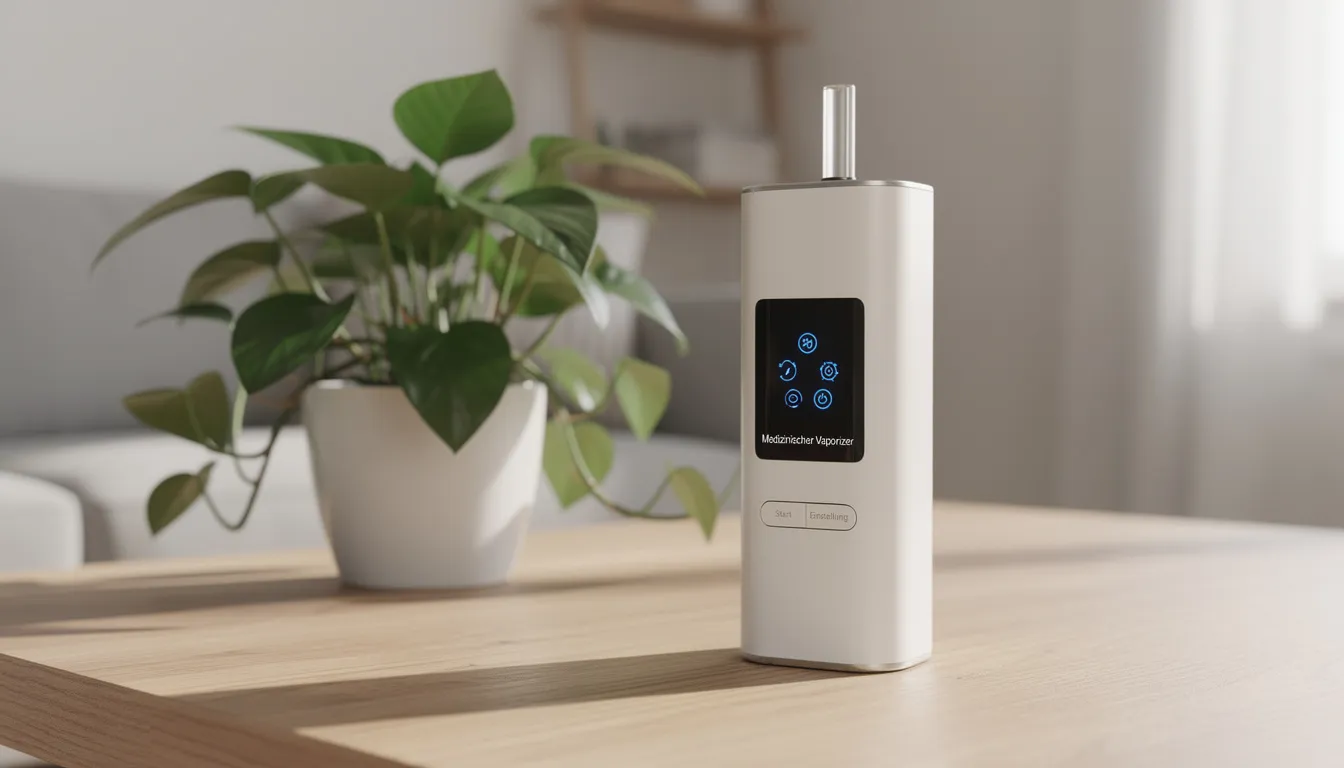
It is preferable to vaporize cannabis flowers (using a medical vaporizer) instead of smoking them.
-
Choose a low starting dose (“start low, go slow”)
-
Discuss possible side effects (fatigue, dizziness, tachycardia, psychological reactions) with your doctor.
-
Driving ability and law: Driving under the influence of THC is legally problematic. Current legal limits for driving should be known. Patients should seek medical advice and be aware of the current legal situation in Germany.
Future prospects and perspectives for the medical cannabis market in Germany
The future of the medical cannabis market in Germany This promises further growth and numerous improvements for patients. Demand for medical cannabis products is constantly rising, as more and more people benefit from its effects and diverse applications. At the same time, the German Federal Government is working on further liberalizing and optimizing the legal framework to facilitate access to medical cannabis.
The development of new strains and products is further advanced through intensive research. Innovative cannabis strains with specific cannabinoid profiles enable even more targeted treatment of a wide range of diseases – from chronic pain and multiple sclerosis to therapy-resistant nausea. Quality assurance also remains a central focus: strict controls and adherence to GMP guidelines ensure that patients can rely on the safety and efficacy of the products.
An important aspect for the future is price comparison: With the growing selection and increasing competition, patients can choose the best option for them in terms of effectiveness, quality, and cost. Close collaboration between doctors, pharmacies, and patients remains crucial to ensuring optimal care.
Overall, the prospects for the medical cannabis market in Germany show a positive development. With further innovations, improved access routes, and a steadily growing variety of strains, the market will continue to contribute to a sustainable improvement in the quality of life for many patients in the coming years.
FAQ – Frequently Asked Questions about Medical Cannabis Strains and Prices
How much does a monthly course of medical cannabis therapy cost on average?
A typical prescription covers 20–30 grams of cannabis flowers per month. At an average price of €10 per gram, this amounts to approximately €200–€300 per month for self-paying patients. For example, a therapy with 25 grams of cannabis flowers per month at a price of €10 per gram costs a total of €250. Additional costs may include doctor's visits and a medical vaporizer (a one-time purchase of €100–€300). With approved coverage by statutory health insurance, there is usually only a co-payment of €5–€10 per dispensing – regardless of the actual quantity.
Are there significant price differences between different medical cannabis strains?
Yes, the differences are noticeable depending on origin (German vs. imported), THC content, and manufacturer. However, most strains are within a range of about €2–3 per gram difference. For patients, individual effectiveness and tolerability are more important than minimal price differences. A strain that works well saves money in the long run through more efficient dosing.
Can I choose my cannabis strain based solely on price?
The type of medication should always be chosen in consultation with the treating physician, based on medical criteria. These include the indication, any co-existing conditions, the desired active ingredient content, and individual tolerance. Price can be a factor if other medications are equally suitable, but it should not be the sole deciding factor. Furthermore, some medications are temporarily unavailable due to supply shortages – flexibility is therefore important.
How do I find a pharmacy with fair prices for medical cannabis?
Contact several specialized pharmacies (local and online) and use reputable comparison websites for an overview. Ask about current price lists, prescription processing, delivery times, and the quality of advice. Avoid long-term contracts so you can react flexibly to better offers or new products. Access to favorable conditions often improves through active comparison.
Who will help me if my health insurance refuses to cover the costs?
File a reasoned appeal together with your treating physician. If necessary, obtain additional medical reports documenting the medical need. Patient advisory centers or social welfare organizations can provide support. If the decision is repeatedly denied, you have the option of legal review. Documented prior treatments and unsuccessful attempts at therapy with other disease-specific medications significantly increase your chances of success.
Share:
Cannabis for sleep disorders: Opportunities, risks, and proper use
Cannabis as medicine: effects, legal situation and access in Germany