
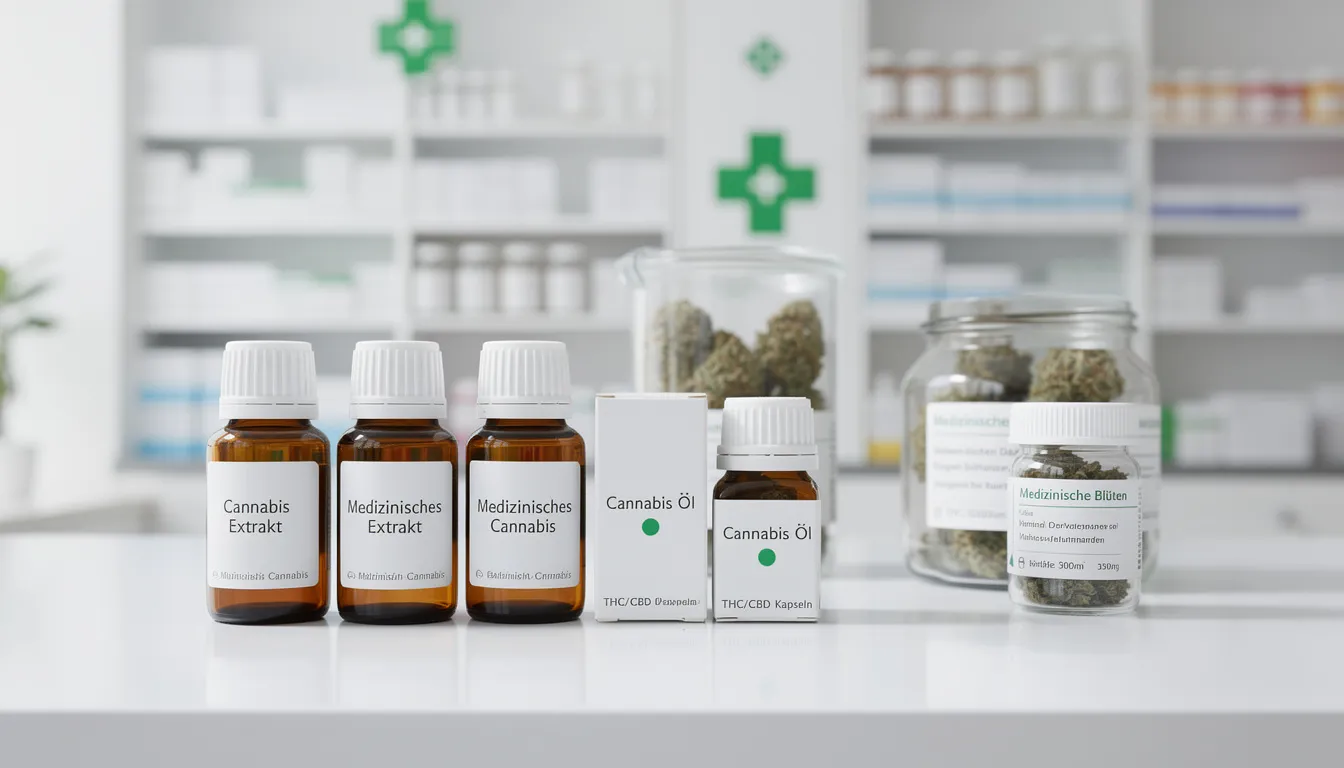
Cannabis as medicine: effects, legal situation and access in Germany
Key points
-
Since March 2017, cannabis-based medicines have been available by prescription in Germany. Since April 2024, the new Medical Cannabis Act (MedCanG) has been in effect, removing medical cannabis from the Narcotics Act.
-
The main areas of application include chronic pain, spasticity in neurological diseases, nausea and vomiting during chemotherapy, and loss of appetite in palliative care.
-
The health insurance company only covers the costs in the case of serious illnesses, when no standard therapy is available or applicable, and after prior approval.
-
In Germany, the cultivation and quality of medicinal cannabis are subject to strict state control according to pharmaceutical standards (GMP).
-
A cannabis prescription can be issued by any licensed physician – increasingly also via [unclear - possibly "online" or "online"] Telemedicine with online questionnaire and e-prescription .
The path to obtaining a cannabis prescription in Germany was long and arduous. Patients with serious illnesses had to apply for special permits, bear high costs themselves, and navigate an uncertain legal situation. This has fundamentally changed.
Since 2017, patients can obtain cannabis-based medicines on a prescription covered by health insurance under certain conditions. The Medicinal Cannabis Act of 2024 further modernized the legal framework. But what does this mean in concrete terms for treatment? Which indications are eligible? And how does access work in practice?
This guide answers the most important questions about cannabis therapy – from active ingredients and cost coverage to side effects and quality controls.
What is medical cannabis?
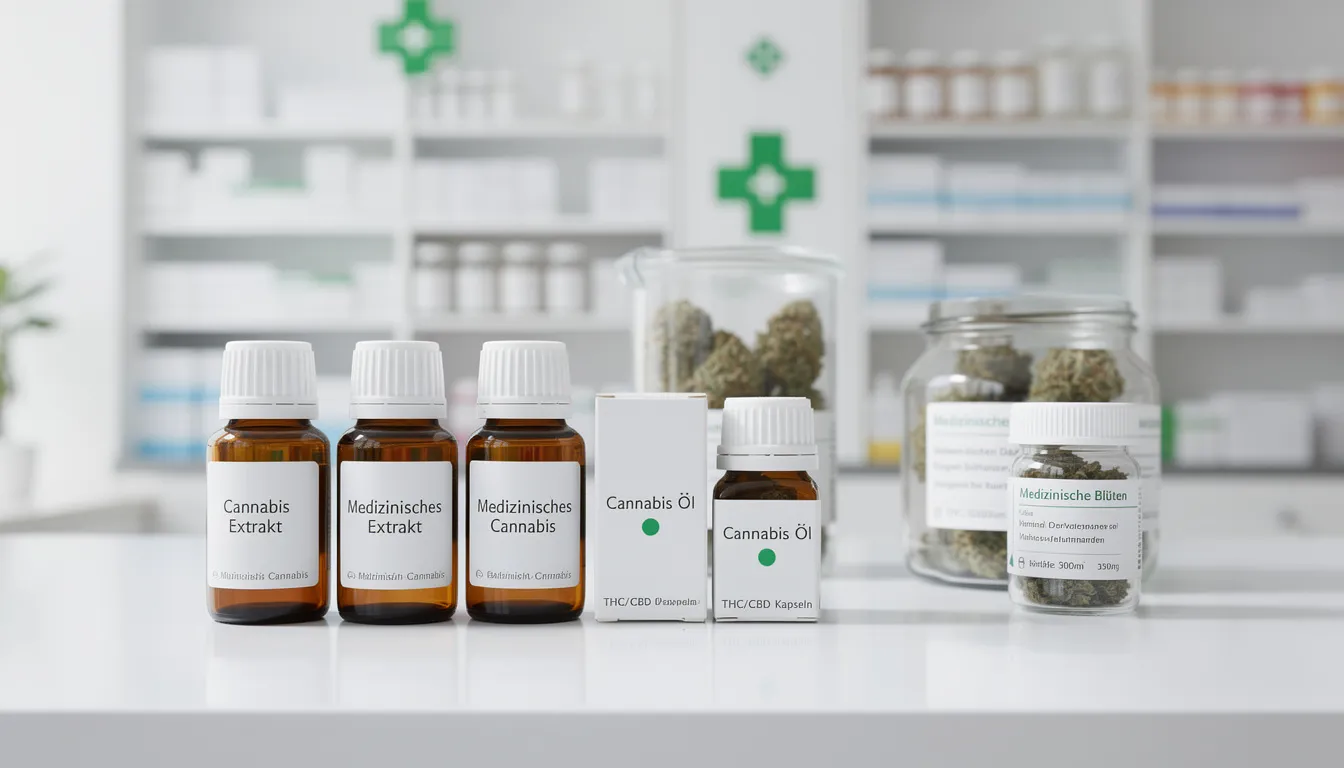
The term "medicinal cannabis" refers to strictly standardized cannabis-based medicines that are manufactured and controlled according to pharmaceutical quality standards. These are not products for recreational use, but rather prescription medicines specifically used to alleviate symptoms of certain illnesses.
Available forms
In Germany, various dosage forms are approved for medical use:
|
form |
Description |
Examples |
|---|---|---|
|
Dried cannabis flowers |
Different strains with varying THC/CBD ratios |
Cannabis Indica, Hybrid Sativa, Hybrid Indica |
|
Standardized extracts |
Full-spectrum extracts with defined active ingredient content |
Cannabis extracts in oil form |
|
Dronabinol |
Synthetic or semi-synthetic THC |
Prescription substance |
|
Nabilone |
Synthetic cannabinoid |
Canemes® |
|
finished medicinal products |
Approved medications |
Sativex® (Nabiximols), Epidiolex® (CBD) |
Since March 10, 2017, doctors in Germany have been allowed to prescribe cannabis flowers and extracts. The two most important cannabinoids are THC (Δ9-tetrahydrocannabinol) and CBD (cannabidiol). THC is psychoactive and produces the well-known intoxicating effect, while CBD is non-intoxicating and has other therapeutic properties.
All medical cannabis products are only available from pharmacies. They are manufactured or tested according to GMP (Good Manufacturing Practice) standards, which ensures consistent quality and defined active ingredient content. Orders can only be placed through a licensed pharmacy or partner pharmacy.
Legal framework: From 2017 until the MedCanG 2024
The legal situation surrounding cannabis in Germany has changed several times in recent years. Understanding the legal framework is important to correctly assess prescription requirements, possession, and cost coverage.
The “Cannabis as Medicine” Act of 2017
With the Act Amending Narcotics Law and Other Regulations of March 2017, cannabis was included in the benefits catalog of statutory health insurance (GKV). The Federal Government thus made it possible for the first time to prescribe cannabis-based medicines for serious illnesses when other therapies have been exhausted.
Key points of the 2017 law:
-
Entitlement to cannabis supply for those insured under the statutory health insurance scheme (GKV) if medically indicated.
-
Approval by the health insurance company is required before the start of therapy.
-
Accompanying survey by the BfArM to document efficacy and side effects (ran until 2022)
-
Establishment of a state cannabis agency to control German cultivation
From the Narcotics Act to the Medical Cancer Act
Until March 2024, medical cannabis was subject to the Narcotics Act (BtMG). Prescribing it required a special narcotics prescription with extensive documentation. This rule has fundamentally changed with the new cannabis law.
Since April 1, 2024, medical cannabis has been removed from the Narcotics Act (BtMG). The Medical Cannabis Act (MedCanG) creates a separate legal basis for:
-
Cultivation of medicinal cannabis in Germany
-
Trade and shipping of cannabis medicines
-
Prescription by doctors
-
Scientific use and research
Prescriptions are now issued on a standard prescription form – the controlled substance form is no longer required. However, the existing due diligence obligations and documentation requirements remain in place. Online prescriptions are possible following a telemedicine consultation.
Important NOTE: Recreational cannabis use has been regulated separately since 2024 (partially decriminalized possession and cultivation for adults). This article refers explicitly only to the medical use of cannabis.
Active ingredients and medical effects
To understand the therapeutic potential of cannabis, it is worthwhile to examine its mechanisms of action in the body. The endocannabinoid system plays a central role in this process.
Overview of cannabinoids
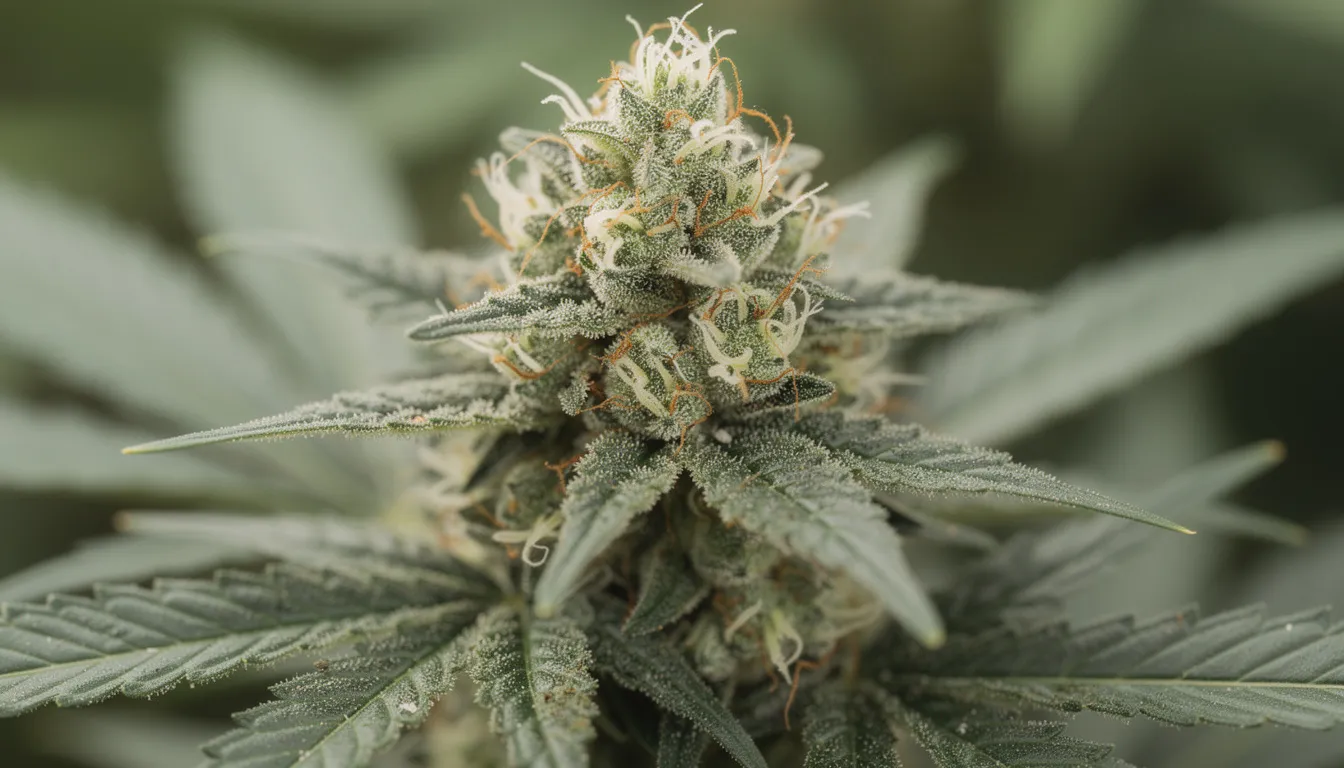
Over 100 different cannabinoids are known to be found in the cannabis plant. Two are particularly relevant clinically:
THC (Δ9-tetrahydrocannabinol)
-
Pain-relieving (analgesic)
-
Muscle relaxant
-
Appetite stimulant
-
Antiemetic (against nausea and vomiting)
-
Psychoactive with noise effect
CBD (Cannabidiol)
-
Anxiolytic (anxiety-relieving)
-
Anticonvulsant (spasm-relieving)
-
Anti-inflammatory
-
Possibly neuroprotective
-
No intoxicating effect
Other substances such as CBG (cannabigerol) are being researched, but play a subordinate role in current therapy.
The endocannabinoid system
The human body has its own endocannabinoid system, which has been the subject of international research for more than twenty years. It consists of:
-
CB1 receptors – mainly in the brain and nervous system
-
CB2 receptors – especially in immune cells and peripheral tissues
-
The body's own endocannabinoids – such as anandamide and 2-AG
THC binds directly to CB1 receptors, triggering its psychoactive and pain-relieving effects. CBD modulates the system in a different way and can mitigate some of THC's side effects. Therefore, combinations of THC and CBD (as in Sativex) are often better tolerated.
Limited research available
The CaPRis study, commissioned by the Federal Ministry of Health, analyzed 16 systematic reviews from 186 randomized controlled trials (RCTs). The result: For some applications, such as chronic pain, the evidence base is strong, while for others, reliable data is lacking. Guidelines therefore usually only offer a "may" recommendation. Experts like neurobiologist Tibor Harkany from the Medical University of Vienna emphasize the enormous therapeutic potential but call for more clinical trials.
Indications: When can cannabis be useful as medicine?
Medical cannabis is generally used as an adjunct therapy for difficult-to-treat symptoms. It is not a first-line therapy and does not replace established treatments – but it can be an important addition when other options are insufficient.
Chronic pain
By far the most frequent indication. According to the BfArM accompanying survey (2017–2022), 70–80% of all prescriptions were for chronic pain of various causes:
-
Neuropathic pain due to nerve damage
-
Tumor pain
-
Back pain and musculoskeletal disorders
-
Pain in rheumatic diseases
More information about THC-free cannabis in Germany You can find it on our blog.
A study of 216 patients with non-tumor pain showed a reduction in the median pain score from 7.50 to 6.25 (on an 11-point scale) after one year of treatment – a clinically relevant result.
Neurological diseases
|
disease |
Application |
evidence |
|---|---|---|
|
multiple sclerosis |
Spasticity, pain |
Moderate evidence, Sativex approved |
|
Parkinson |
Symptom relief |
Experimental notes |
|
Tourette syndrome |
Tics and accompanying symptoms |
Limited research available |
|
Treatment-resistant epilepsy |
Seizure reduction |
Good evidence for CBD (Epidiolex) |
In cases of spasticity caused by multiple sclerosis, approximately 30% of patients reported symptom relief. Important: The underlying disease is not cured – the focus is on symptom control and improved quality of life.
oncology
Cannabis is primarily used in cancer treatment for:
-
Nausea and vomiting under chemotherapy (nabilone, dronabinol)
-
Loss of appetite and weight loss (Wasting)
-
Tumor pain as a supplement to pain therapy
Historical research on cannabinoids for chemotherapy-induced nausea dates back to the 1970s. Their mechanisms of action differ from those of conventional antiemetics.
Palliative medicine
In palliative care, medical cannabis plays a special role in:
-
Symptom control (pain, nausea, sleep disturbances, anxiety)
-
Improving the quality of life in the final stage of life
-
In addition to other palliative medications
For palliative care patients, shorter approval times often apply at the health insurance company.
Other possible indications
In individual cases, other conditions may also be considered, such as treatment-resistant forms of epilepsy or rare syndromes. However, the available data is often limited, and a prescription may be off-label. The treating physician always makes the decision after an individual benefit-risk assessment. Alternative therapies should be exhausted beforehand.
Cost coverage by the health insurance company
The cost of cannabis-based medicines can be considerable – several hundred euros per month are not uncommon. Therefore, reimbursement by statutory health insurance is crucial for many patients, but is subject to strict conditions.
Requirements for approval
For the health insurance company to cover the costs, three conditions must be met:
-
serious illness – The illness must have a lasting impact on the quality of life
-
No standard therapy available or applicable – Either there is no generally accepted treatment, or it is not feasible in individual cases (e.g. due to intolerances)
-
Justified prospect of positive effect – It must be plausible that cannabis improves the medical condition or symptoms.
The application process
Before therapy can begin, an application for cost coverage must usually be submitted to the health insurance company. The procedure is as follows:
-
Medical justification including diagnosis, previous therapies and prognosis
-
Application submitted by the patient or the practice
-
Review by the health insurance fund, possibly including involvement of the Medical Service (MD)
-
Decision within statutory time limits
Deadlines for the decision:
Learn more about PHC, a new cannabinoid with medical potential .
|
situation |
deadline |
|---|---|
|
Normal case |
3 weeks |
|
In the case of MD participation |
5 weeks |
|
Palliative care |
Sometimes 3 days |
In case of rejection
A rejection is not the end. Patients have the following options:
-
File an objection (in writing, with supplementary justification)
-
Seek advice on social law (e.g., through social welfare organizations or specialized lawyers)
-
Private prescription as an alternative – the patient then bears the full cost.
The price of cannabis flowers ranges from approximately €8 to €15 per gram at the pharmacy, depending on the strain and quality. Depending on the dosage, monthly costs can range from €200 to €600 or more. Payment for private prescriptions is made directly at the pharmacy; for prescriptions covered by health insurance, only the standard co-payment applies.
Prescription, treatment and telemedicine
The practical process for obtaining a prescription for medical cannabis has become simpler in recent years. Here is an overview of the typical procedure.
Who is authorized to issue decrees?
Basically, all licensed physicians, with the exception of dentists and veterinarians. There is no specialist requirement, but the prescribing specialists or general practitioners should possess the relevant expertise. In practice, this often means:
-
Pain therapists
-
Neurologists
-
Palliative care physician
-
Oncologists
-
Specialized general practitioners
The first regulation
The first doctor's appointment is crucial and includes:
-
Detailed medical history and documentation of previous treatments
-
Risk-benefit assessment in individual cases
-
Information about effects and possible side effects
-
Information on fitness to drive and legal aspects
-
Determination of dosage form and starting dose

Telemedicine and e-prescription
Since around 2022, specialized online platforms have offered an alternative access point:
-
Online questionnaire for preliminary recording of the medical history
-
Video consultation with a qualified doctor
-
Electronic prescription in case of positive indication
-
Direct shipping to a partner pharmacy or collection via e-prescription
Communication often takes place via email or secure patient portals. When searching for a suitable provider, patients should look for reputable platforms with genuine medical consultations.
Therapy support
Close medical monitoring is required during cannabis therapy:
-
Regular appointments to check effectiveness and tolerability
-
Dosage adjustment as needed
-
Documentation for possible follow-up regulations
-
In palliative care (e.g., SAPV), care is often provided particularly quickly.
Safety, side effects and risks
Cannabis-based medicines are not harmless natural products. Like any effective medication, they can have side effects and require medical supervision. A nuanced approach is important.
Common side effects
The following undesirable effects occur regularly:
-
Tiredness and drowsiness
-
dizziness
-
dry mouth
-
Palpitations and increased heart rate
-
Concentration problems
-
Changes in appetite
-
Impairment of driving ability
In the aforementioned study with 216 patients, 5.3% discontinued treatment due to side effects.
Psychological effects
Higher doses of THC or corresponding vulnerability can lead to the following:
-
Anxiety and anxiety
-
Paranoid thoughts
-
Increased perception and disorientation
-
In individuals with pre-existing conditions: increased risk of psychosis.
These risks are particularly relevant for patients with a history of psychiatry.
Long-term risks
-
Possible cognitive impairments at high long-term doses
-
Risk of addiction (lower than with some other substances, but present)
-
Tolerance development, which may require dose increases
-
Special caution is advised in cases of early onset during adolescence.
Important interactions
Cannabis can interact with numerous medications:
|
Drug group |
Type of interaction |
|---|---|
|
Blood thinners (e.g., warfarin) |
Increased or decreased effect |
|
Certain antidepressants |
Altered serum levels |
|
Neuroleptics |
Unforeseeable effects |
|
Opioids |
Increased sedation, but also possible dose reduction. |
|
alcohol |
Increased CNS suppression |
Patients should always list all their medications – including herbal preparations and dietary supplements.
Special caution
Contraindications and increased caution are advised in the following cases:
-
Pregnancy and breastfeeding
-
Cardiovascular diseases
-
Pre-existing psychiatric conditions (especially psychoses, schizophrenia)
-
Young people under 18 years of age
Fitness to drive
Driving is only permitted with a prescription if there is no acute impairment. A cannabis patient ID card can be helpful during checks, but it does not guarantee a driver's license. Individual fitness to drive and a possible police assessment remain crucial.
State control of cultivation, quality and supply
The efficacy and safety of medical cannabis depend crucially on defined quality. Fluctuating levels of active ingredients or impurities can jeopardize the therapy. Germany has therefore established strict control mechanisms.
German cultivation under supervision
The cultivation of medical cannabis in Germany takes place under state supervision:
-
The Cannabis Agency at the BfArM controls the process
-
Europe-wide tenders to suitable producers
-
Strict regulations for cultivation areas and safety
-
Regular checks of the live stock and harvest
Import and security of supply
Since German cultivation alone cannot meet the demand, large quantities of medicinal cannabis are imported:
-
Canada
-
Netherlands
-
Portugal
-
Denmark
-
Other EU countries
Quality assurance
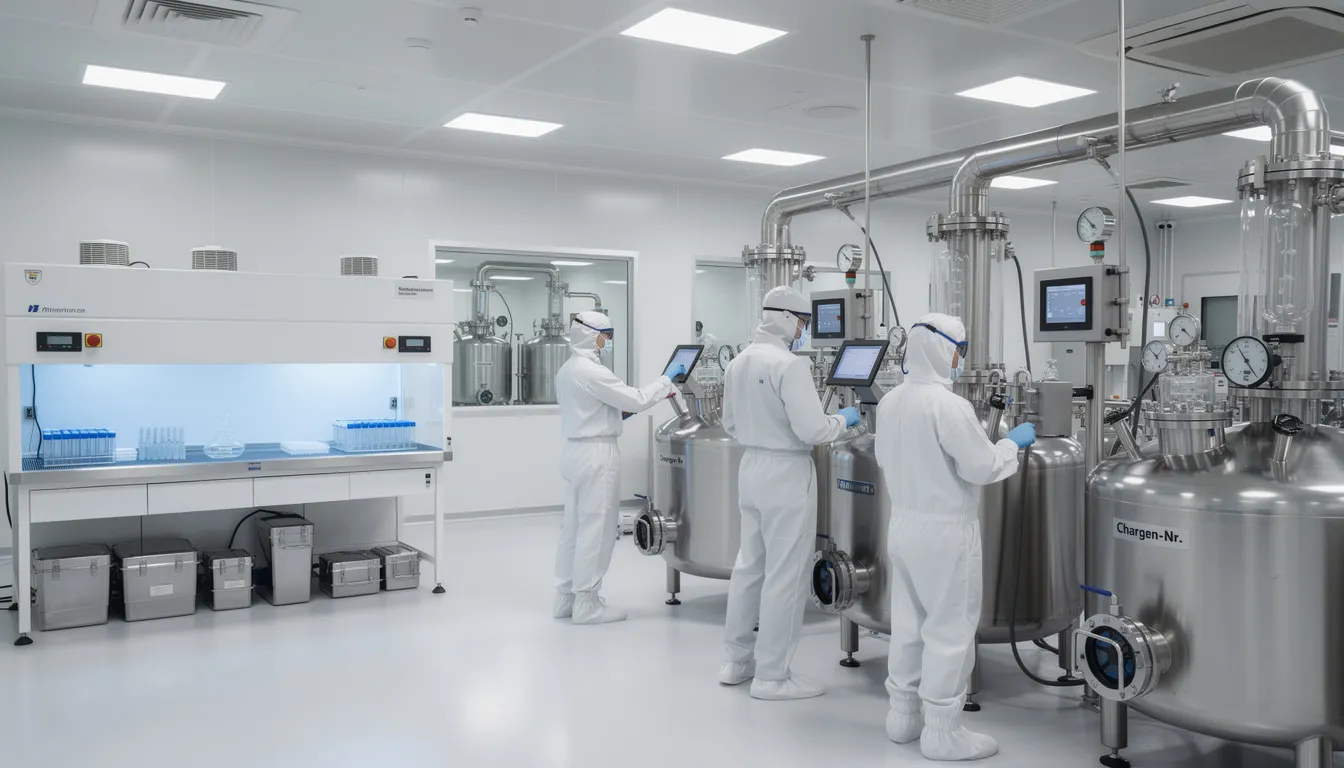
Each batch of medicinal cannabis undergoes extensive testing:
-
GMP standard (Good Manufacturing Practice)
-
Regular laboratory tests
-
Precise information on THC and CBD content
-
Testing for pesticides, heavy metals and microbial contamination
-
Traceability of every batch
The MedCanG and the market
The Medicinal Cannabis Act regulates a licensing procedure that:
-
More competition and more flexible market conditions enable
-
Enabling new providers to enter the market
-
At the same time, high safety standards are ensured.
No private home cultivation
Important: Private cultivation for medical purposes is still permitted in Germany Not permitted . Supply must be obtained exclusively through a pharmacy based on a valid prescription. Although limited quantities of home cultivation have been permitted for recreational use since 2024, this does not apply to medical use.
FAQ – Frequently Asked Questions about Cannabis as Medicine
How do I find a doctor who is willing to prescribe medical cannabis?
Finding a doctor willing to prescribe cannabis can be challenging, as not all physicians have experience with it as medicine. Pain specialists, neurologists, and palliative care physicians are often particularly receptive. An open conversation with your family doctor is a good first step – even if they don't prescribe it themselves, they can refer you to a specialist. Alternatively, telemedicine platforms offer access to doctors with expertise in cannabis therapy. Many answers to initial questions can also be found through specialized patient organizations, which can provide links to appropriate resources.
Am I allowed to drive with medical cannabis in my blood?
Driving is generally permitted as long as there is no acute impairment of driving ability. A cannabis patient ID card can be helpful during traffic stops and documents the medical prescription. However, the final decision regarding fitness to drive rests with the police and can be assessed on a case-by-case basis. Patients should avoid driving, especially at the start of therapy or after dose adjustments, until they know how they react to the medication. Consumption patterns should be chosen in such a way as to avoid any impairment of road safety.
Can I travel abroad with medical cannabis?
Within the Schengen Area, you may bring enough cannabis for up to 30 days of travel needs if you have a Schengen Certificate. This certificate is issued by the relevant public health authority and must be applied for before departure. For travel to third countries outside the Schengen Area, the legal situation is inconsistent and often restrictive. It is strongly recommended that you contact the embassies of your destination countries well in advance to clarify the regulations. In some countries, possession of cannabis-based medicines, even with a doctor's prescription, can result in substantial penalties.
How quickly does cannabis work as medicine and how long does the effect last?
The effect depends heavily on the method of administration. With inhalation (vaporizing flowers or extracts), the effect begins within minutes but lasts only about 2–4 hours. This method is suitable for acute symptoms. With oral administration (capsules, oils, drops), the onset of effects takes 30 minutes to 2 hours, but the effect lasts 4–8 hours or longer. The exact dosage and method of administration should always be discussed with your doctor, as individual differences can be significant.
Is CBD oil from the internet the same as medical cannabis from a pharmacy?
No, there are significant differences. Over-the-counter CBD products are not subject to strict pharmaceutical controls and often have fluctuating active ingredient levels. They contain a maximum of 0.2% THC and are declared as food supplements or cosmetics. Medical cannabis from a pharmacy, on the other hand, is a prescription drug with precisely defined THC and CBD content, tested according to GMP standards. The VAT regulations and quality requirements also differ fundamentally. Only prescription medical cannabis is suitable for genuine cannabis therapy in the treatment of illnesses.
Conclusion
Access to cannabis as medicine in Germany has improved significantly since 2017. With the MedCanG of 2024, the legal framework was further simplified – the cumbersome controlled substance prescription is no longer required, and the supply through pharmacies is more efficient than ever.
Nevertheless, cannabis therapy is not a given. It requires a sound medical assessment, often an approval process with the health insurance company, and ongoing monitoring by specialists. Its effectiveness is well-documented for certain indications such as chronic pain, spasticity, and nausea, but robust studies are still lacking for other areas.
If you suffer from a serious illness and current therapies are not providing sufficient relief, speak openly with your doctor. Learn about specialized telemedicine services and prepare for the application process with your health insurance provider. The process may require patience, but for many patients, medical cannabis has significantly improved their quality of life.
Share:
Medical cannabis strains & prices in Germany (as of 2025)
Cannabis Pharmacy: Obtain medical cannabis safely with a prescription