

Cannabis for sleep disorders: Opportunities, risks, and proper use
Key findings at a glance
Cannabis is increasingly being discussed as an alternative for chronic sleep problems. Before you delve into the details, here's a summary of the most important points.
-
Medical cannabis has been prescribable in Germany since 2017 for therapy-resistant sleep disorders – but usually only if other treatments have not been sufficiently effective.
-
THC primarily makes it easier to fall asleep and can prolong sleep duration, while CBD tends to reduce anxiety and inner restlessness, thereby indirectly improving sleep.
-
Studies show improvements in sleep onset time, nighttime awakenings and subjective sleep quality – however, these results are mostly based on small studies of short duration.
-
Risks such as tolerance development, daytime fatigue and psychological side effects make medical supervision absolutely necessary.
-
Cannabis is always just one component in the overall concept and never replaces sleep hygiene, behavioral therapy and the investigation of underlying diseases.
What are sleep disorders – and how common are they in Germany?
Sleep disorders are among the most common health problems. To understand when cannabis might be an option, a clear definition is essential.
-
Definition of insomnia: At least three nights a week for more than three months, problems falling asleep or staying asleep, despite sufficient opportunity to sleep – accompanied by daytime impairments (tiredness, concentration problems, irritability). These criteria correspond to common classification systems such as ICSD-3 and DSM-5.
-
Important types of sleep disorders:
-
Insomnia (difficulty falling asleep and staying asleep)
-
Sleep apnea (nighttime breathing pauses)
-
Restless Legs Syndrome (irresistible urge to move the legs)
-
Circadian rhythm disorders (disrupted sleep-wake rhythm)
-
Pain-related sleep disorders in chronic illnesses
-
Frequency in Germany: According to surveys by the German Society for Sleep Research and Sleep Medicine (DGSM), 20–25% of adults report significant problems falling asleep and staying asleep. This affects millions of people in Germany, who often suffer considerable limitations in their daily lives, such as decreased performance and social withdrawal.
-
Typical consequences of sleep deprivation:
-
Concentration problems and reduced performance
-
Irritability and emotional instability
-
Increased risk of accidents in road traffic and at the workplace
-
Long-term higher risk of cardiovascular disease, depression and anxiety disorders
-
Significantly reduced quality of life
-
Problems of traditional sleeping pills: Benzodiazepines and Z-drugs, while effective, carry significant risks: addiction, increased risk of falls (especially in older adults), cognitive impairment, and tolerance development. These drawbacks have considerably increased interest in alternative therapies such as cannabis. Herbal remedies like valerian are also used by many sufferers as a natural, over-the-counter option to support sleep.
How does cannabis work in the body? The endocannabinoid system, THC and CBD
The effects of cannabis on sleep can only be understood by understanding the body's own endocannabinoid system (ECS). This system is the biological basis for all cannabinoid effects in the body.
-
The endocannabinoid system consists of cannabinoid receptors (CB1 and CB2), endogenous messenger substances such as anandamide and 2-AG, and enzymes that synthesize and break down these substances.
-
The ECS regulates numerous bodily functions: sleep, mood, pain, appetite, stress responses and the regulation of the immune system.
-
Interestingly, the body's own cannabinoids follow a natural rhythm: anandamide levels typically rise during the dark phase, while 2-AG levels are elevated during the day – so the system is directly integrated into the sleep-wake cycle.
-
THC (Δ9-tetrahydrocannabinol) It binds primarily to CB1 receptors in the brain. This results in acute effects such as sedation, altered perception, and pain relief – but also possible side effects such as increased heart rate and anxiety.
-
CBD (Cannabidiol) It binds only weakly directly to CB1 and CB2 receptors, but modulates other signaling pathways. It primarily has an anxiolytic, anti-inflammatory, and relaxing effect – without causing the typical high.
-
The specific properties of THC, CBD and the various terpenes significantly determine how cannabis works in treating sleep disorders: THC has strong sedative properties, CBD has a calming and anxiety-relieving effect, while terpenes such as myrcene and linalool can also have relaxing and sleep-promoting effects.
-
The sleep-promoting effect of cannabis works differently than that of classic sleep aids: Instead of directly producing drowsiness, cannabis works more by modulating stress, anxiety, pain and the circadian rhythm.
-
In addition to THC and CBD, terpenes also play a role. Substances such as myrcene and linalool from the cannabis plant can further influence the effect on sleep – a phenomenon known as the "entourage effect".
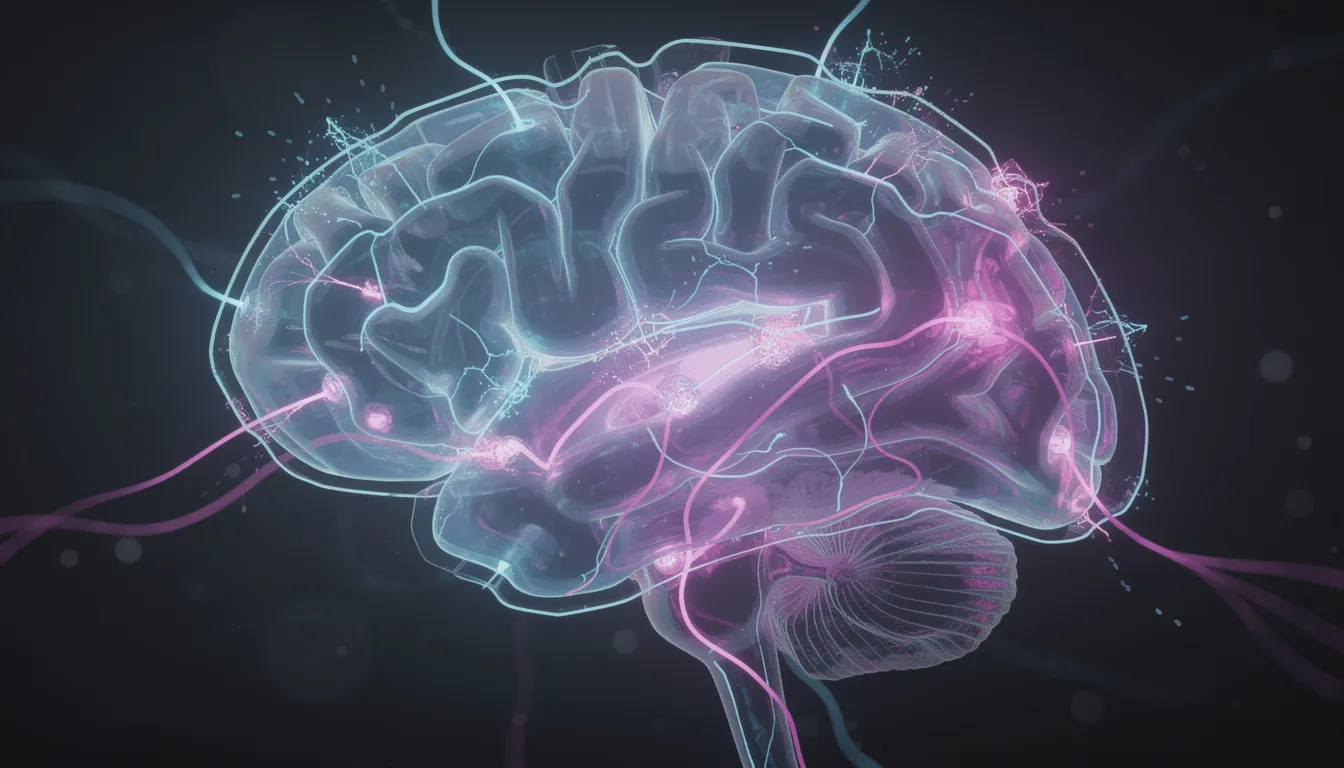
THC versus CBD: Differences in sleep and side effects
The two main active ingredients in the cannabis plant have different effects. Understanding this is crucial for its use in treating sleep problems.
-
THC in low to medium doses It can make it easier to fall asleep, lengthen sleep duration, and increase nighttime melatonin levels. An Australian study showed an increase in melatonin levels of approximately 30%.
-
CBD It primarily reduces tension, rumination, and anxiety. This indirectly makes falling and staying asleep easier, without CBD itself having a strong sedative effect. Isolated CBD can even have a stimulating effect in some people.
-
High doses of THC They can trigger paradoxical effects: restlessness, anxiety, racing heart, nightmares, or increased alertness in the second half of the night.
-
Individual reactions vary greatly. Genetic factors, previous cannabis experience, pre-existing mental health conditions, and concurrent medication use all influence how someone reacts to cannabis.
-
Practical recommendation: For simple sleep onset insomnia, THC-dominant preparations may be more suitable in the evening. For anxiety-driven rumination, CBD-based or balanced preparations are often more appropriate – always after medical consultation.
Current research: What is known about cannabis for sleep disorders?
Research on cannabis and sleep has increased significantly in recent years. Nevertheless, important questions remain unanswered. Here is an overview of the current state of knowledge.
-
Much of the data comes from studies with patients who received cannabis for underlying medical conditions – such as chronic pain, multiple sclerosis, or PTSD. Sleep was often only recorded as a secondary endpoint.
-
Between 2017 and 2023, several studies showed that oral THC/CBD sprays or extracts could improve both pain intensity and difficulty falling and staying asleep in cases of chronic pain.
-
Typical results from observational studies: 60–80% of patients report subjectively better sleep and fewer nighttime awakenings after starting cannabinoid therapy.
-
A meta-analysis with over 1,000 participants confirmed that cannabis improved self-reported sleep quality more than placebo – especially in cases of severe problems and with THC-rich products.
-
The endocannabinoid system plays a crucial role in regulating the sleep-wake cycle and influencing various sleep stages, particularly REM sleep. Studies show that cannabinoids such as THC and CBD can modulate the transition into REM sleep and shorten its duration. REM sleep is essential for emotional processing and neuronal regeneration during sleep. Therefore, changes in REM sleep caused by cannabinoids could have both positive and negative effects on sleep architecture and the treatment of sleep disorders.
-
Cannabinoids act specifically on the endocannabinoid system and can thus influence the sleep-wake cycle and sleep rhythm, which is relevant for the treatment of sleep disorders.
-
Restrictions: Randomized, placebo-controlled trials on insomnia alone are still limited. Most involve only short treatment periods of 2–8 weeks.
-
Some studies describe a shortening of REM sleep, possible rebound sleep disturbances after discontinuation, and tolerance development with prolonged THC use.
-
Conclusion of the studies: There is considerable evidence of benefit, particularly in cases of concurrent pain or anxiety disorders. However, the data is limited and heterogeneous – large, targeted studies on the primary diagnosis of insomnia are still lacking.
What specific data reveals about sleep onset time and sleep quality?
The available study results do provide concrete figures that offer some guidance.
-
In smaller clinical studies, THC-containing preparations reduced sleep latency by an average of about 15–30 minutes compared to placebo.
-
In an Australian study, sleep duration increased by an average of 30 minutes per night after two weeks of use.
-
Subjects frequently reported an improvement in subjective sleep quality of 50–80%, especially in cases of pronounced pre-existing conditions such as chronic pain or PTSD.
-
Important limitation: The objectively measured sleep architecture (via polysomnography) does not always improve to the same extent as the self-assessment of those affected. Expectation effects apparently play a role.
-
Adverse effects in the studies were predominantly mild to moderate – such as dry mouth, dizziness, and drowsiness. However, discontinuations due to side effects did occur.
Short-term versus long-term application
Whether cannabis helps or harms sleep disorders depends significantly on the duration of use. This is a crucial difference compared to short-term observations.
-
Short-term deployment (a few weeks to a few months) can have positive effects on sleep, especially during acute phases of illness or during a change in therapy: shortened time to fall asleep, fewer waking phases, increased deep sleep phases.
-
At prolonged, high-dose THC use Tolerance often develops. This means that patients need higher doses to achieve the same effect.
-
Abrupt discontinuation Long-term use often leads to increased insomnia, vivid dreams, reduced sleep efficiency, and more frequent nighttime awakenings. These withdrawal symptoms can last up to 45 days.
-
Recommendation for longer-term therapy: Medically supervised dose breaks (“drug holidays”) or planned dose reductions can help prevent tolerance and dependence.
Application, dosage forms and dosage for sleep disorders
The practical application of medical cannabis for sleep problems follows clear principles. The most important aspects for practical use in Germany are outlined below.
-
Available dosage forms: Dried flowers for vaporization, standardized extracts (oils, drops) and finished medicinal products (e.g. THC/CBD spray).
-
Timing of intake: For sleep disorders, an evening dose is usually preferred – about 30–90 minutes before the desired bedtime for oils, or shortly before bedtime for vaporization. Taking cannabis products before bed can help promote inner peace and create a relaxed sleep environment.
-
Onset and duration of effect:
-
Oral preparations (oil, capsules): Work more slowly (30–90 minutes), but last longer.
-
Inhalation administration: Rapid onset of action (minutes), shorter duration of action
-
The “start low, go slow” principle: Start with a very low dose of THC and carefully increase it in 3-7 day increments until a balance between effect and tolerability is achieved.
-
Choice of preparation: Depending on the clinical picture, doctors choose different ratio preparations – THC-dominant for pain-driven insomnia, CBD-dominant for anxiety-driven rumination disorders, balanced combinations for mixed pictures.
-
Progress checks: After starting therapy, several check-ups are advisable (e.g. after 2, 4 and 12 weeks) with a sleep diary, questions about daytime sleepiness and systematic recording of side effects.
Which strain, which profile? Indica, Sativa, and terpenes
The traditional distinction between Indica and Sativa is often used as a guide. However, reality is more complex.
-
Many patients with insomnia benefit from strains that are more indica-dominant and higher in THC, with a sedating terpene profile (e.g., myrcene, linalool).
-
Sativa-dominant and very THC-rich strains tend to have a more stimulating effect and can exacerbate restlessness or palpitations in cases of sleep disorders.
-
Modern medical products are increasingly being classified according to exact cannabinoid and terpene profiles in order to better predict their effect on sleep.
-
Recommendation: The choice of strain should be made jointly with the prescribing doctor and the cannabis-selling pharmacy – based on individual reactions and accompanying illnesses.
Who is allowed to prescribe cannabis for sleep disorders – and for whom is it a suitable option?
The legal situation in Germany has changed in recent years. Here is the most important information about the regulation (as of 2024/2025).
-
Since the law of March 2017, medical cannabis has been approved in Germany as a prescription-only narcotic for "serious illnesses." A diagnosis of sleep disorder alone is rarely the sole reason for a prescription.
-
In practice, cannabis is primarily prescribed by specialists in pain medicine, neurology, psychiatry, psychosomatics and sleep medicine for sleep disorders – often in conjunction with existing chronic pain, PTSD, rheumatism or neurological diseases.
-
Since legal adjustments in 2024, all licensed physicians (with the exception of dentists and veterinarians) are generally allowed to prescribe cannabis, provided there is a recognized indication and other therapies have not been sufficiently effective or tolerable.
-
Documentation requirement: Before prescribing medication, it is usually documented which previous treatments (sleep hygiene, behavioral therapy, antidepressants, classic sleep aids) have been tried and which side effects have occurred.
-
Cost coverage: For patients with statutory health insurance, coverage can be requested from the health insurance company depending on the severity of the condition and any pre-existing conditions. This requires a detailed medical justification.
-
Contraindications: Cannabis should be used with great caution or not at all in cases of severe psychotic disorders, untreated addiction, pregnancy and certain cardiovascular diseases.
Risks, side effects and limitations of cannabis for sleep disorders
An honest assessment of benefits and risks is crucial for an informed decision. The following points should be known to all those affected.
-
Common acute side effects:
-
dry mouth
-
Dizziness and mild coordination problems
-
Redness of the eyes
-
Altered perception of time
-
Mild memory and concentration problems
-
-
Possible psychological effects: Anxiety, paranoia and panic attacks – especially with high THC doses, rapid dose increases, vulnerable individuals or first-time users.
-
Long-term risks:
-
Tolerance development (higher doses needed for the same effect)
-
Psychological and physical dependence with high-dose, long-term use
-
Possible deterioration of motivation and drive in certain patients
-
-
Special protection for young people: Regular THC use in early childhood (adolescence) has been associated with an increased risk of mental illnesses such as psychoses in studies.
-
Safety aspects: Do not drive or operate machinery under the influence of THC. Legal consequences may result if THC is detected while driving.
-
Limits of therapy: Cannabis is not a cure-all. It does not replace the diagnosis of underlying diseases (e.g., sleep apnea) and is ineffective or not tolerated by some patients.
-
Recommendation: Discuss side effects and concerns openly with your doctor. Adjust the dose or medication as needed, or discontinue therapy.
How can risks be minimized?
Many risks can be significantly reduced with a few practical measures.
-
Always start with a very low dose and adjust gradually, instead of starting with high doses.
-
Use only medically prescribed and pharmacy-tested preparations – no uncontrolled black market products with unclear active ingredient content.
-
Take cannabis only in the evening and not during the day to reduce impairments to reaction time and concentration in everyday life.
-
Plan for possible dose breaks (e.g., individual cannabis-free nights or short therapy interruptions) to limit tolerance development.
-
Avoid simultaneous alcohol or other drug use – this increases side effects and makes it more difficult to assess the effect.
Combination of cannabis, sleep hygiene and other therapies
Cannabis should never be used in isolation, but always as part of a comprehensive treatment plan. The best results are achieved through combinations of different approaches.
-
Basic therapy: Evidence-based measures such as cognitive behavioral therapy for insomnia (CBT-I), relaxation techniques and structured sleep hygiene are considered the gold standard.
-
Typical sleep hygiene recommendations:
-
Fixed bedtimes and wake-up times, even on weekends
-
Avoid screen time and bright light 1-2 hours before bedtime.
-
Cool and quiet bedroom (16–18°C)
-
Use the bed only for sleeping, not for work or watching television.
-
Avoid caffeine, nicotine, and heavy meals in the evening.
-
-
For pain patients: Good pain control (multimodal pain therapy, physiotherapy) is often a prerequisite for stable sleep. Cannabis can be a component of this.
-
In cases of comorbid mental illness: For depression, anxiety disorders, or PTSD, psychotherapy and, if necessary, other medications remain central. Cannabis is only used as a complementary treatment.
-
Keep a sleep diary: To be able to objectively assess the effects of cannabis, sleep hygiene measures and other therapies over several weeks, a sleep diary is very helpful.
Conclusion: What role can cannabis play in sleep disorders?
Cannabis can be a valuable addition to the treatment plan for chronic, treatment-resistant sleep disorders – especially when accompanied by conditions such as pain, PTSD, or anxiety disorders. THC primarily affects falling asleep and sleep duration, while CBD reduces anxiety and stress. The individually tailored combination, adapted to the specific situation, is crucial for success.
However, the limited number of studies, potential side effects, and the risk of developing tolerance make closely supervised, individually tailored therapy essential. Without simultaneously optimizing sleep hygiene, daily routine, and treating the underlying condition, the effects of cannabis are usually insufficient.
Summary:
-
Cannabis is a particular option for treatment-resistant sleep disorders with accompanying illnesses.
-
THC shortens the time it takes to fall asleep, CBD reduces tension and rumination.
-
The data situation is promising, but still limited.
-
Risks such as tolerance, dependence, and side effects require medical supervision.
-
Sleep hygiene, behavioral therapy, and investigation of the underlying causes remain essential.
-
For persistent sleep problems, first consult your family doctor or sleep specialist and consider cannabis only as one possible component.
Frequently Asked Questions (FAQ) about cannabis for sleep disorders
These questions are frequently asked and supplement the information from the main article with practical aspects.
Does hemp tea or CBD oil from the drugstore work just as well as medical cannabis?
Over-the-counter products such as hemp tea or CBD oils from drugstores usually contain very little or no CBD. no THC and are often low-dose. They can be helpful for mild tension or relaxation, but they do not replace equivalent, medically supervised cannabinoid therapy. Furthermore, the active ingredient content varies considerably, making reliable dosing difficult.
How long will it take before I notice if cannabis actually improves my sleep?
Initial effects are often noticeable within the first few days of starting therapy – such as easier falling asleep or fewer nighttime awakenings. However, a reliable assessment of whether cannabis is truly providing lasting relief typically requires 2–4 weeks with a stable dose and consistent maintenance of a sleep diary.
Can I use cannabis for sleep disorders only occasionally, for example before particularly stressful days?
Occasional use in low doses is generally possible, but requires careful planning. Driving ability is impaired under the influence of THC, and consulting a doctor remains essential. Frequent, unstructured use increases the risk of developing tolerance, which is why clear communication with your doctor is advisable.
What happens if I stop the cannabis therapy after several months?
After prolonged, regular use, a gradual tapering off is recommended to avoid rebound insomnia, restlessness, and vivid dreams. Supportive measures such as consistent sleep hygiene, relaxation techniques, or behavioral therapy facilitate the transition and help stabilize sleep even without cannabis.
Is cannabis suitable for treating sleep disorders in older people?
Older patients are often more sensitive to cannabis side effects. Falls due to dizziness, confusion, and fluctuations in blood pressure are particular risks in this age group. Therefore, especially low starting doses, slow increases, and close medical monitoring are necessary. The potential benefits must be carefully weighed against these risks.
Sources and further information
Anyone interested in treating sleep disorders with cannabis should rely on sound scientific findings and reputable sources of information. The effects of medical cannabis on the endocannabinoid system and the potential benefits of cannabinoid therapy are being investigated in numerous studies – with promising results, particularly for people with chronic sleep problems or accompanying anxiety disorders.
Recent scientific studies, such as the one by Kuhathasan et al. (2019), demonstrate that the use of medical cannabis can improve sleep quality and reduce the frequency of sleep problems. Research by Shannon et al. (2019) also shows that cannabidiol (CBD) can have positive effects on anxiety disorders and related sleep problems. These findings underscore the importance of individualized, medically supervised therapy to determine the optimal dosage and minimize side effects.
Professional societies such as the German Society for Sleep Research and Sleep Medicine (DGSM) and the International Society for Cannabinoid Medicine (ICAM) offer comprehensive information on current studies, applications, and risks of cannabinoid therapy. Their websites provide patients, relatives, and medical professionals with practical recommendations, current research findings, and guidance on the safe use of medical cannabis for sleep disorders.
It is important to note that the use of medical cannabis should always be under medical supervision. This is the only way to ensure the correct dosage is individually adjusted and the risk of side effects or unwanted effects is minimized. In Germany, medical cannabis is exclusively available through a licensed healthcare provider. Available on medical prescription – usually via specialized pharmacies and after careful examination of the indication.
Those wishing to learn more can find current guidelines, study summaries, and practical advice on treating sleep problems with cannabinoids on the websites of the DGSM and ICAM. Consulting with experienced physicians specializing in sleep medicine or pain therapy is also an important step in realistically assessing the benefits and risks of cannabinoid therapy.
In summary: Cannabinoid therapy can be a useful adjunct for treatment-resistant sleep disorders – provided it is professionally supervised and individually tailored. For further information and current research findings, we recommend consulting the resources of the DGSM and ICAM, as well as working closely with your treating physician.
Share:
THC (Tetrahydrocannabinol): Effects, risks, legal issues & detection
Medical cannabis strains & prices in Germany (as of 2025)