
THCV at a glance: Quick answer for those in a hurry
Tetrahydrocannabivarin, or THCV for short, is a naturally occurring cannabinoid from the cannabis plant, first scientifically described in the early 1970s. As a lesser-known cannabinoid, it remains in the shadow of its more prominent relatives THC and CBD, but is increasingly gaining attention in the field of cannabis. world of cannabinoids Cannabinoid research .
The most important effects of THCV at a glance: (Learn more about new cannabinoids such as PHC and their potential for therapeutic purposes.)
-
In low doses: appetite-suppressing, clear and focusing, barely or not at all intoxicating
-
At higher doses: THC-like psychoactive effect, but often described as shorter and clearer.
-
No classic "hunger craving" effect like with THC – on the contrary, often appetite-suppressing.
Key research areas according to current studies:
-
Metabolism: Studies in obesity and type 2 diabetes
-
Nervous system: Potential in Parkinson's disease and epilepsy
-
Possible antipsychotic and bone-protective properties
Important note regarding the data situation: Research on THCV is primarily based on animal models and small human studies. A widely cited study from 2016, published in "Diabetes Care," investigated THCV in type 2 diabetics – however, there are currently no approved drugs containing pure THCV in the EU.
Compared to THC and CBD, THCV is significantly less researched, but exhibits a unique profile: While THC typically increases appetite, THCV can suppress it. Dosage plays a crucial role in the effects.
What is THCV (tetrahydrocannabivarin)?
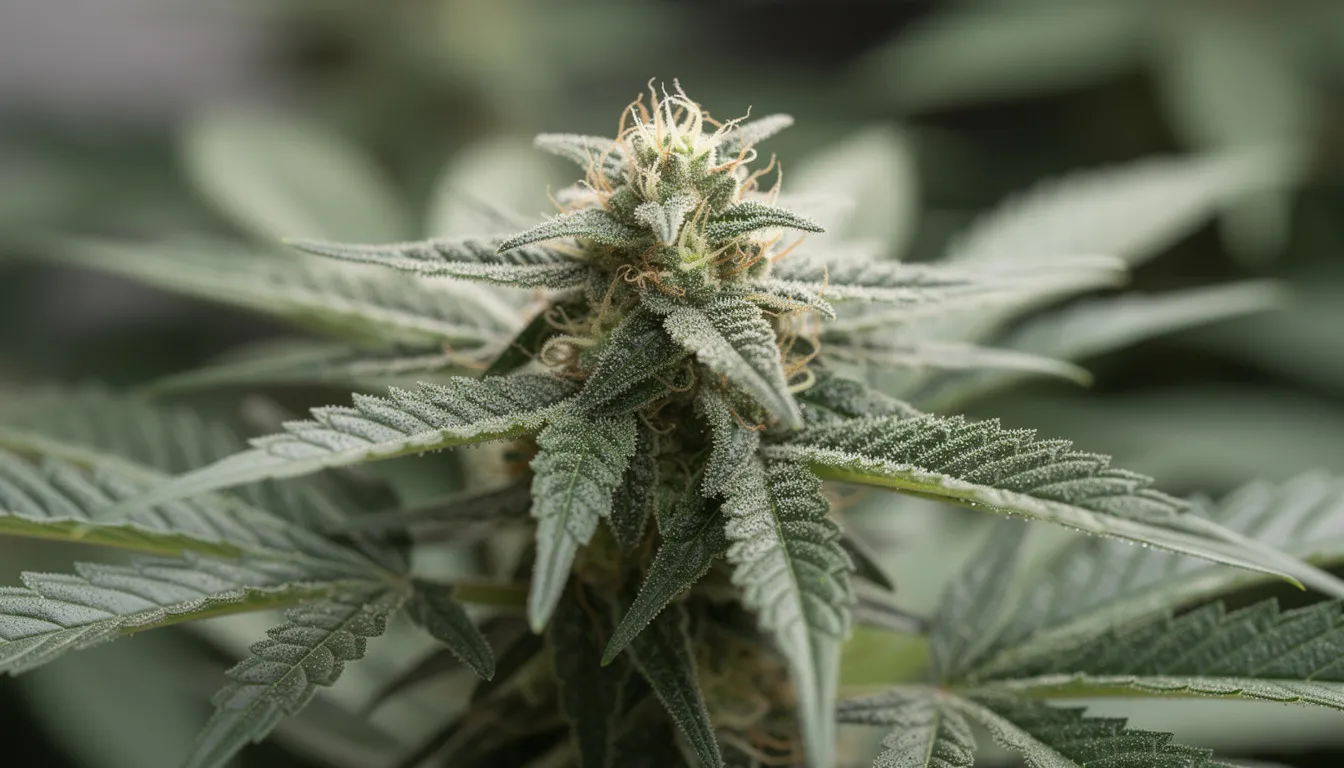
The hemp plant produces over 100 different cannabinoids, of which most people are only familiar with THC and CBD. THCV belongs to the so-called "minor cannabinoids"—compounds that occur only in small amounts in most cannabis strains.
-
Chemical relationship: THCV is structurally closely related to tetrahydrocannabinol, but differs in having a shorter side chain: three instead of five carbon atoms. This seemingly small structural change has far-reaching effects on its action in the body.
-
Historical context: Although THCV was discovered in the early 1970s, it remained a niche area of scientific research for a long time. Research only intensified from around 2010/2015 onwards, driven by interest in metabolic diseases and the search for alternatives to conventional obesity medications.
-
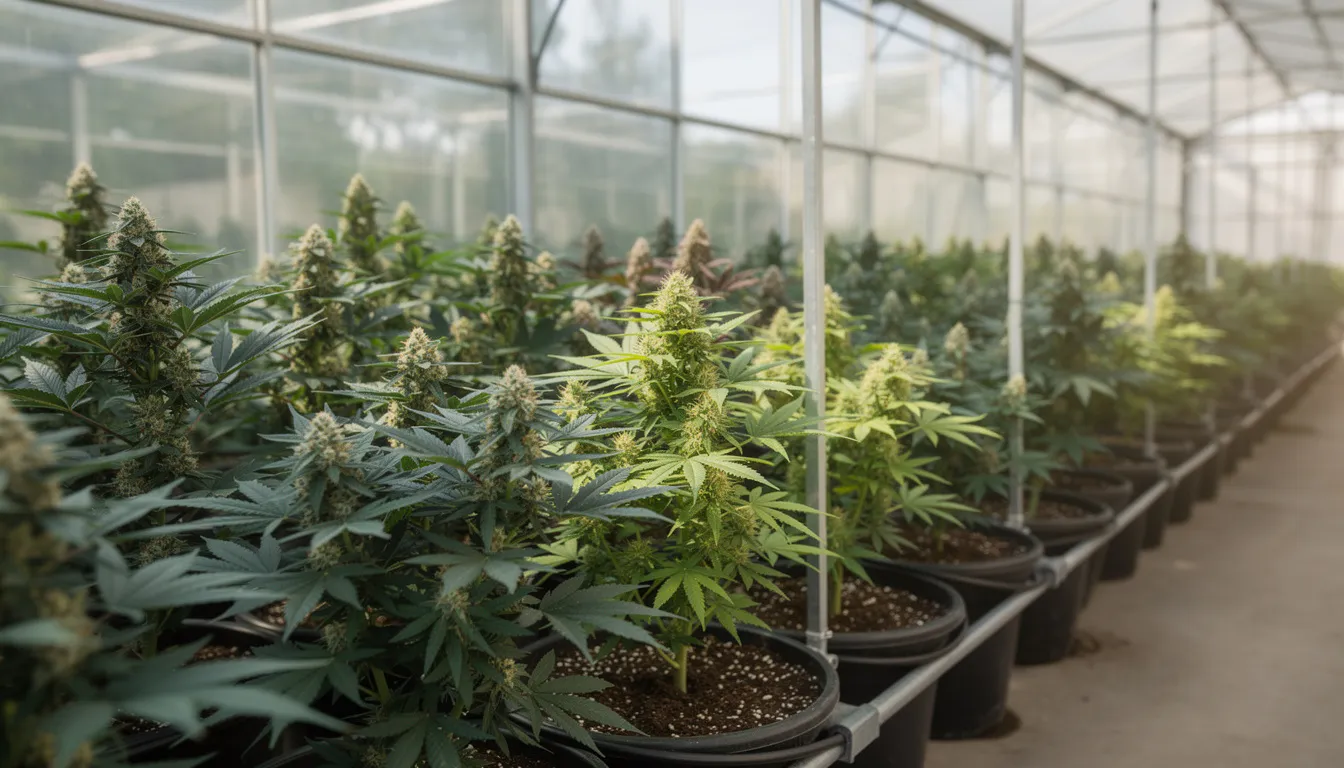
Natural origin: High THCV levels are found primarily in certain African Sativa landraces from countries like South Africa, Malawi, or Swaziland. Strains like "Durban Poison" are known for above-average THCV concentrations. However, in many modern hybrid strains, the content is below 1%.
-
Acid form in the plant: In the living cannabis plant, THCV primarily exists as THCVA (tetrahydrocannabivarin acid). Only through heating – the process of decarboxylation – is it converted into the active THCV.
-
Major vs. Minor Cannabinoids: While THC and CBD (“major cannabinoids”) dominate in terms of concentration and research status, “minor cannabinoids” such as THCV, CBG, and CBN are significantly less studied. This means both gaps in knowledge and exciting research potential.
How is THCV produced in the hemp plant?
The biosynthesis of cannabinoids follows specific enzymatic pathways. To understand why THCV has such special properties, it is worth looking at its origin.
-
Raw materials: Cannabinoid biosynthesis begins with geranyl pyrophosphate, which combines with various fatty acids. Cannabigerolic acid (CBGA) serves as the "parent cannabinoid" for most known cannabinoids.
-
The “Variant” path: THCV is produced via a different pathway: Geranyl pyrophosphate combines with divarinolic acid (instead of olivetolic acid) to form cannabigerovaric acid (CBGVA). The enzyme THCVA synthase then converts CBGVA into THCVA.
-
Activation by heat: Only through decarboxylation – i.e., heating or exposure to UV light – does the acid form THCVA become the pharmacologically active THCV.
-
Comparison to the THC pathway: The classic THC pathway proceeds via olivetolic acid → CBGA → THCA → THC. The difference lies in the precursor: divarinolic acid has two fewer carbon atoms than olivetolic acid, which explains the shorter side chain of THCV.
-
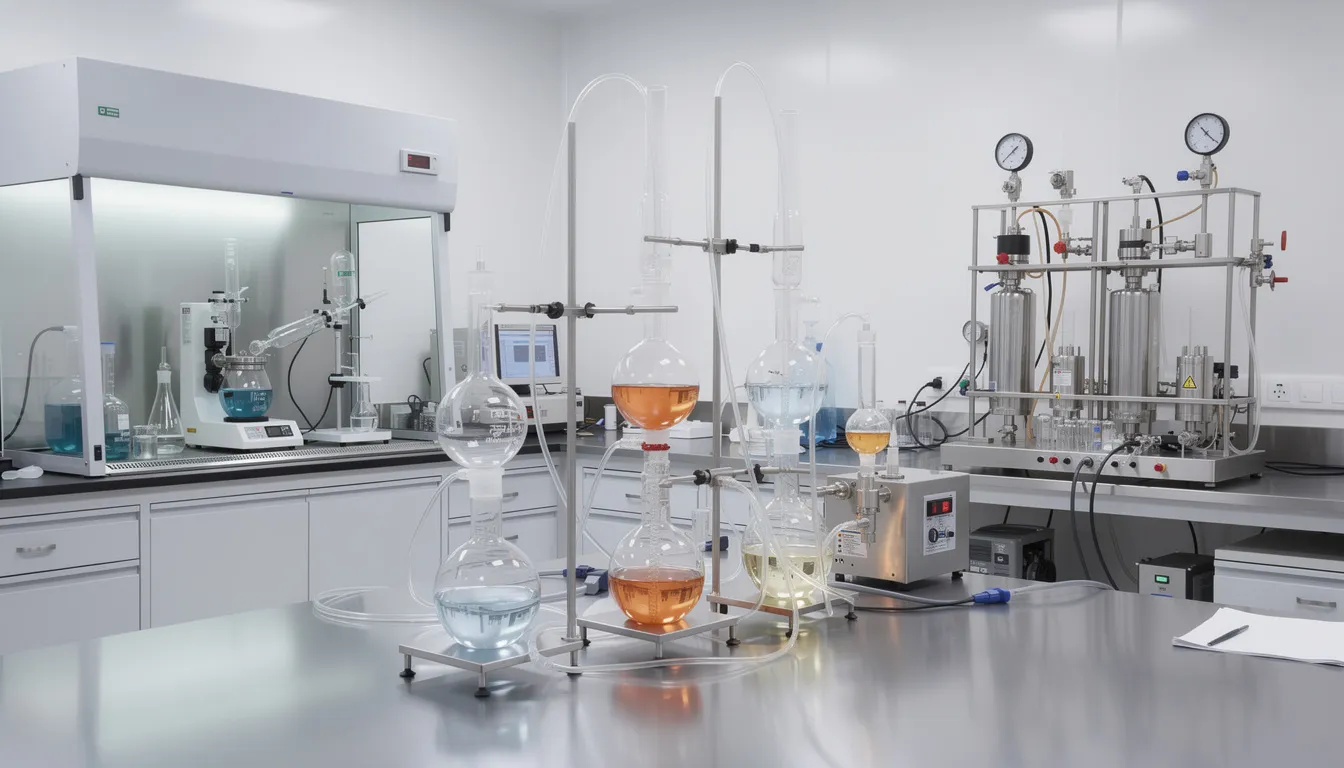
Modern extraction methods: Breeders selectively choose strains with high CBGVA/THCVA levels. CO₂ extraction and chromatographic methods are frequently used to obtain concentrated THCV in the products.
THCV and the endocannabinoid system: Mechanism of action
The endocannabinoid system (ECS) is a regulatory system in the body that plays a role in processes such as pain perception, inflammation, mood, and metabolism. THCV interacts with this system in a way that is significantly different from THC.
-
CB1 and CB2 receptors: CB1 receptors are found primarily in the brain and nervous system, while CB2 receptors are predominantly found in the immune system and peripheral tissues. Both receptors are key binding sites for cannabinoids.
-
Dose-dependent effect at CB1: At low doses, THCV acts as an antagonist or inverse agonist at the CB1 receptor – it partially blocks its activation. This can be visualized as a "brake." At higher doses, however, THCV becomes a partial agonist and activates the receptor, which can trigger psychoactive effects – more like an "accelerator pedal."
-
CB2 activation: THCV acts as a partial agonist at CB2 receptors. This binding could be relevant for potential anti-inflammatory and bone-protective effects.
-
Further target structures: Research shows that THCV also interacts with other systems, including 5-HT1A receptors (serotonin system), TRPV channels, and PPARs. These diverse interactions could explain neuropsychiatric and metabolic effects.
-
Practical significance: The dose-dependent reversal of the effect at the CB1 receptor makes THCV unique: depending on the amount ingested, it can weaken or strengthen the effects of THC.
Effects of THCV: What is known, what remains unclear?
The effects of THCV depend heavily on the dosage and individual factors. It is important to distinguish between anecdotal reports and scientific evidence.
-
Low doses: Users often report a clear, alert feeling with increased energy, focus, and attention. Unlike with THC, the classic cravings are typically absent – some even describe reduced appetite.
-
Higher doses: When an individual threshold is exceeded, THCV can produce THC-like psychoactive effects. However, these are often described as shorter and "clearer" than the typical THC high.
-
Anecdotal vs. evidence-based: While many anecdotal reports mention increased motivation and alertness, these statements are predominantly based on user reports. Controlled clinical studies on these subjective effects are rare.
-
Possible side effects: At higher doses, THC-typical side effects are possible: dry mouth, increased heart rate, and, in sensitive individuals, anxiety or restlessness. Long-term data on cardiovascular or psychological risks are largely lacking.
-
Individual differences: The reaction to THCV varies greatly between individuals. Factors such as genetics, concurrent THC intake, personal tolerance, general metabolism, and medications taken (possible interactions via CYP enzymes) play a role.
-
State of research 2024: There are some animal studies and smaller human studies, but no large, placebo-controlled long-term studies. Therefore, making bold claims about cures is not credible.
Therapeutic potential of THCV
THCV is not yet an approved medication in the EU or other Western countries. Nevertheless, it is being investigated in research for several indications. The following areas demonstrate the potential, but also the limitations, of current knowledge.
-
Metabolism & Weight Management: Animal studies and initial human studies suggest that THCV may reduce appetite, alter glucose tolerance, and improve insulin sensitivity. In contrast to THC, which typically increases appetite, THCV appears to suppress it.
-
Type 2 diabetes and metabolic syndrome: A randomized, placebo-controlled, double-blind study with approximately 62 type 2 diabetics investigated THCV (5 mg/day) and a combination of THCV and CBD. The results showed improvements in fasting glucose, beta-cell function, and liver fat parameters – without significant weight effects.
-
Neurological diseases: Animal models provide evidence of neuroprotective effects in Parkinson's disease (protection of dopaminergic neurons) and anticonvulsant properties in epilepsy. Antioxidant effects have also been observed.
-
Psychiatric disorders: Preclinical data suggest modulation of the dopamine and serotonin systems (via 5-HT1A receptors). Potential antipsychotic and anxiety-modulating effects are discussed, but human studies are currently very limited.
-
Bone health: Cell and animal studies show that THCV could stimulate bone formation via CB2 activation. Its potential use in osteoporosis is being investigated – still in its very early stages.
THCV in detail: Appetite, obesity and diabetes
THCV is sometimes referred to as "diet weed" in popular media – a term that should be viewed critically and not understood as an advertising statement.
Appetite suppression and CB1 antagonism:
Contrary to the well-known effects of THC, animal studies and small clinical trials show that THCV can reduce appetite and promote satiety. The mechanism: In low doses, THCV blocks the CB1 receptor, which plays a key role in appetite regulation.
Comparison to Rimonabant:
Rimonabant was a synthetic CB1 antagonist approved in the EU in 2006 as an obesity medication. It was withdrawn from the market in 2008 due to severe psychiatric side effects (depression, suicidality). THCV differs mechanistically from rimonabant and is discussed as potentially more tolerable – however, sufficient studies are lacking to confirm this hope.
Obesity research:
Preclinical data in animal models show:
-
Weight loss
-
Improved lipid profiles
-
Reduced fat accumulation
However, long-term human studies with clinically relevant endpoints do not yet exist.
Type 2 diabetes – the specific data situation:
|
parameter |
Result after THCV administration |
|---|---|
|
Fasting glucose |
Significantly improved |
|
HOMA index (insulin resistance) |
Improved |
|
Liver triglycerides |
Reduced |
|
Adiponectin (metabolic marker) |
Increased |
|
body weight |
No significant change |
The study with type 2 diabetics used THCV at a dosage of 5-10 mg daily over several weeks. The results are promising, but require confirmation through larger studies.
Outlook:
The combination of THCV with cannabidiol (CBD) is a current research focus for metabolic syndromes. Possible synergistic effects are being investigated, and further studies have been announced.
Other research areas: epilepsy, psychoses, osteoporosis, Parkinson's disease
Beyond metabolic diseases, several other areas of application are being researched – all still in the basic research stage, predominantly preclinical.
-
Epilepsy: Animal studies show that THCV has anticonvulsant effects. By comparison, CBD, specifically Epidiolex, has already been approved for certain forms of epilepsy. THCV remains in the experimental stage, but research is ongoing.
-
Antipsychotic potentials: Animal studies using phencyclidine-induced psychosis models show that THCV acts via 5-HT1A receptors and exhibits profiles similar to the antipsychotic clozapine in certain parameters. However, there are no approved antipsychotic THCV medications, and clinical trials in humans are very limited.
-
Osteoporosis and bone health: Preclinical data suggest that THCV may promote bone formation and reduce inflammation in the bone environment via CB2 activation. This research is still in its very early stages.
-
Parkinson's disease: Studies, including one in the British Journal of Pharmacology, show neuroprotective effects on dopaminergic neurons in animal models. Possible improvements in motor symptoms have been observed, but clinical human studies are largely lacking.
-
Important NOTE: All of the mentioned application areas are not suitable for self-medication. Questions about possible therapies should be clarified within a medical setting.
THCV vs. THC vs. CBD: Similarities and differences
Many customers and interested readers want to understand THCV, especially in comparison to the better-known cannabinoids THC and CBD. Here is a systematic comparison of the most important differences and similarities.
THCV vs. THC
|
aspect |
THCV |
THC |
|---|---|---|
|
Psychoactivity |
Dose-dependent: low = hardly any, high = yes |
Yes, typically intoxicating |
|
appetite |
Rather inhibiting |
Increasing (“Munchies”) |
|
Duration of effect |
Tend to be shorter |
longer lasting |
|
CB1 effect |
Low: antagonist; high: agonist |
Partial agonist |
|
research |
Limited |
Extensive |
-
In low doses, THCV can partially reduce the effects of THC (high, increased appetite).
-
At higher doses, THCV itself has a psychoactive effect, but is often described as "clearer".
-
The threshold dose varies greatly from person to person.
THCV vs. CBD
|
aspect |
THCV |
CBD (cannabidiol) |
|---|---|---|
|
Psychoactivity |
Dose-dependent |
Not very exciting |
|
Receptor profile |
Direct CB1/CB2 effect |
Rather indirect modulation |
|
research |
Early phase |
Extensive (Epidiolex approved) |
|
Availability |
Rare, expensive |
Widespread |
-
CBD has been significantly better researched, with studies on anxiety, pain, and inflammation.
-
THCV shows more specific effects on metabolism and appetite.
-
Neither of them can usually produce a strong high at typical doses (THCV at low doses).
similarities between THCV and CBD
-
Potential antiepileptic, anti-inflammatory and anxiety-modulating properties (varying levels of evidence)
-
Interesting for users who do not want the classic THC effect.
-
Both are derived from the hemp plant, but in different concentrations.
Practical consequences: CBD is considered an "all-rounder" for everyday life and well-being, supported by a solid data foundation. THCV is more of a specialized topic with a focus on metabolic and neurological research – currently primarily a research subject or niche product. For further information on the differences between classic cannabinoids such as THC and their more potent alternatives It's worth taking a look at relevant specialist websites.
Legal status and availability of THCV (as of 2024/2025)
The legal situation regarding THCV is inconsistent internationally and subject to dynamic changes. This applies to Germany, Austria, Switzerland, and other countries.
Germany:
-
THCV is not explicitly mentioned in the Narcotics Act.
-
Products derived from the cannabis plant are subject to different regulations depending on their THC content and intended use.
-
For food supplements: possible classification as "novel food" with corresponding approval requirements.
-
The distinction between industrial hemp and recreational/medicinal cannabis is crucial.
Austria and Switzerland:
-
Comparable uncertainties in the classification
-
Possible regulation under cannabis and medicinal product laws
-
Regional differences should be taken into account.
USA:
-
According to the 2018 Farm Bill: THCV from hemp with less than 0.3% Δ9-THC is treated differently under federal law than cannabis THCV.
-
State laws vary considerably – some states are increasingly regulating psychoactive cannabis derivatives (including HHC and THCP).
General information:
-
The legal situation regarding "psychoactive minor cannabinoids" is changing rapidly.
-
It is recommended to obtain up-to-date information from the relevant authorities or legal advice.
-
The local legal situation should be checked before purchase and use.
Market availability:
-
THCV products (oils, vapes, edibles) are more expensive and less common than CBD products.
-
Usually only available in specialized shops or online.
-
Quality and salary information vary greatly between providers.
-
Pay attention to laboratory analyses and transparent origin information.
THCV products, application and dosage
For interested users, it is important to know the different dosage forms and practical aspects of use.
Typical dosage forms:
-
Extracts/oils: Sublingual application, dosable by drops
-
Capsules: Standardized doses, convenient for on the go
-
E-Liquids/Cartridges: For vaporizers, faster onset of action
-
Flowers with high THCV content: Rarely, e.g. from special Sativa strains (Doug's Varin, Pineapple Purps)
Combinations with other types of cannabinoids:
-
THCV + THC
-
THCV + CBD (thcv and cbd together)
-
THCV in full-spectrum extracts
-
The “entourage effect” is often mentioned – but remains a hypothesis, not a proven fact.
Dosage recommendations:
-
Basic rule: "Start low, go slow" – begin with very low doses
-
Guideline: Single-digit mg range (e.g. 2.5–10 mg) as a starting point
-
Individual customization: Sensitivity and psychoactive threshold vary greatly.
-
No specific therapy recommendations: For medical purposes, seek medical advice.
Application methods compared: Learn more about PHC, a new cannabinoid with potential for pain and inflammation relief .
|
method |
Onset of effect |
Duration of effect |
advantages |
Disadvantages |
|---|---|---|---|---|
|
Oral (oil, capsule) |
30-90 minutes |
4-8 hours |
Simple, discreet |
Slow start |
|
Inhalation (vaping) |
1-5 minutes |
1-3 hours |
Quick check |
Lung strain possible |
Safety and quality:
-
Use only products with current laboratory analysis
-
Test for: cannabinoid profile, pesticides, heavy metals, solvent residues
-
Be aware of significant quality differences in the market.
-
Reputable providers offer transparent certificates of analysis.
Warning notices:
-
Not recommended for: pregnant women, breastfeeding mothers, teenagers
-
Caution is advised in cases of: serious pre-existing cardiovascular or psychiatric conditions
-
Interactions with medications (CYP enzymes) are possible, but still insufficiently researched.
-
In case of doubt, always consult a doctor before use.
THCV or CBD – which choice is right for whom?
Many readers are faced with the question of whether CBD or THCV is better suited to their needs. The choice depends on individual goals, the legal framework, and personal risk tolerance.
When CBD is the right choice:
-
For stress, sleep problems, general well-being
-
For chronic pain or inflammation
-
If no psychoactive effect is desired
-
If you value a broader range of studies and a better-regulated market
-
For everyday use without complicated dosage considerations.
-
If you would like to learn more about how HHC can affect driving , as well as the legal situation.
When THCV can be interesting:
-
For scientific interest or participation in clinical studies on appetite, weight, blood sugar
-
Under medical supervision in cases of illnesses such as Parkinson's disease or epilepsy.
-
For experienced cannabis users seeking a clear, rather stimulating profile with appetite control.
-
With a clear awareness of the limited legal situation and lack of long-term data
Important classification:
THCV is not a "miracle weight-loss cure." Reputable providers don't make promises of quick weight loss, and anyone claiming otherwise should be critically examined. Research shows potential, but no miracles. For everyone interested in legal alternatives to THC of interest, offers HHC Vapes as a legal cannabis experience an exciting possibility.
If you experience health problems, it is always advisable to seek medical advice. Self-experimentation with THCV should not be seen as a replacement for established therapies – at best, it can be a supplement to medical supervision.
Anyone interested in THCV products should first assess their own experience with other cannabinoids like CBD and find out about the legal status in their place of residence. An informed look at quality, origin, and laboratory tests is just as important as realistic expectations regarding the effects.
Conclusion: Opportunities and limitations of THCV
THCV is an exciting but still poorly researched cannabinoid with a unique profile of effects. Its appetite-suppressing properties, potential in treating metabolic disorders, and neuroprotective effects make it an interesting subject of research – but also clearly distinguish it from the better-known cannabinoids THC and CBD.
The results from animal and early-phase human studies are promising, but insufficient for safe, general treatment recommendations. Open questions remain regarding long-term effects, optimal dosage, drug interactions, and risks in specific patient groups.
THCV is not a miracle cure – neither for weight loss nor for neurological diseases. Rather, it is a potential component of future, more differentiated cannabinoid therapies, whose benefits and risks still need to be better understood.
If you have questions about THCV – especially regarding conditions such as diabetes, obesity, epilepsy, or Parkinson's disease – please consult a medical or pharmaceutical professional. The decision for or against the use of THCV products should be made in an informed and careful manner, taking into account current legislation.
The world of cannabinoids is evolving rapidly. Stay informed, stay critical – and trust professional advice when it comes to health questions.
Share:
THCJD: Effects, structure, risks and products at a glance
HHCPO: Effects, risks and legal status of the new cannabinoid