

The cannabinoid market is developing rapidly. Besides well-known compounds like Delta 9 THC or CBD, new ones are constantly emerging. new cannabinoids Several substances have emerged that are causing a stir. One of them is THCJD – a substance that has been increasingly marketed in Europe and the USA since 2022, enticing consumers with promises of particularly intense effects. THCJD (also known as thc jd) is a homolog of the psychoactive cannabinoid THC (delta-9-THC) and differs from THC by having a longer alkyl side chain, which can lead to specific properties.
But what is really behind this molecule? In this article, you will learn everything you need to know about the structure, production, effects of THCJD, and the associated risks. We organize the available information, compare THCJD with other cannabinoids, and provide practical advice for anyone who wants to learn more about this topic.
What is THCJD? (short, direct answer right at the beginning)
THCJD is a semi-synthetic cannabinoid that occurs only in trace amounts in the cannabis plant and is now primarily produced in laboratories. Its full name is tetrahydrocannabioctyl – a name that refers to the molecule's chemical structure.
Interestingly, THCJD is not a completely new discovery. The compound has been described in scientific literature since 1941 under names such as THC Octyl or Delta-8-THC-C8. Chemically, this cannabinoid is closely related to Delta-9 THC, but differs by a longer side chain on the molecule. THCJD is thus a homolog of the cannabinoid THC, with the length of the alkyl chain influencing its binding affinity to CB1 receptors and thereby altering the potency of its psychoactive effects. This structural peculiarity is likely the reason why THCJD is considered significantly more potent than classic THC.
Since the natural levels of THCJD in the hemp plant are extremely low, it is now mostly produced semi-synthetically in the laboratory from CBD isolate or other precursors. Production involves the isomerization of CBD molecules using catalysts. The result of this chemical transformation is the formation of THCJD. Since around 2022/2023, THCJD products have become increasingly available in the legal high market – both in Europe and the USA.
Origin and discovery of THCJD
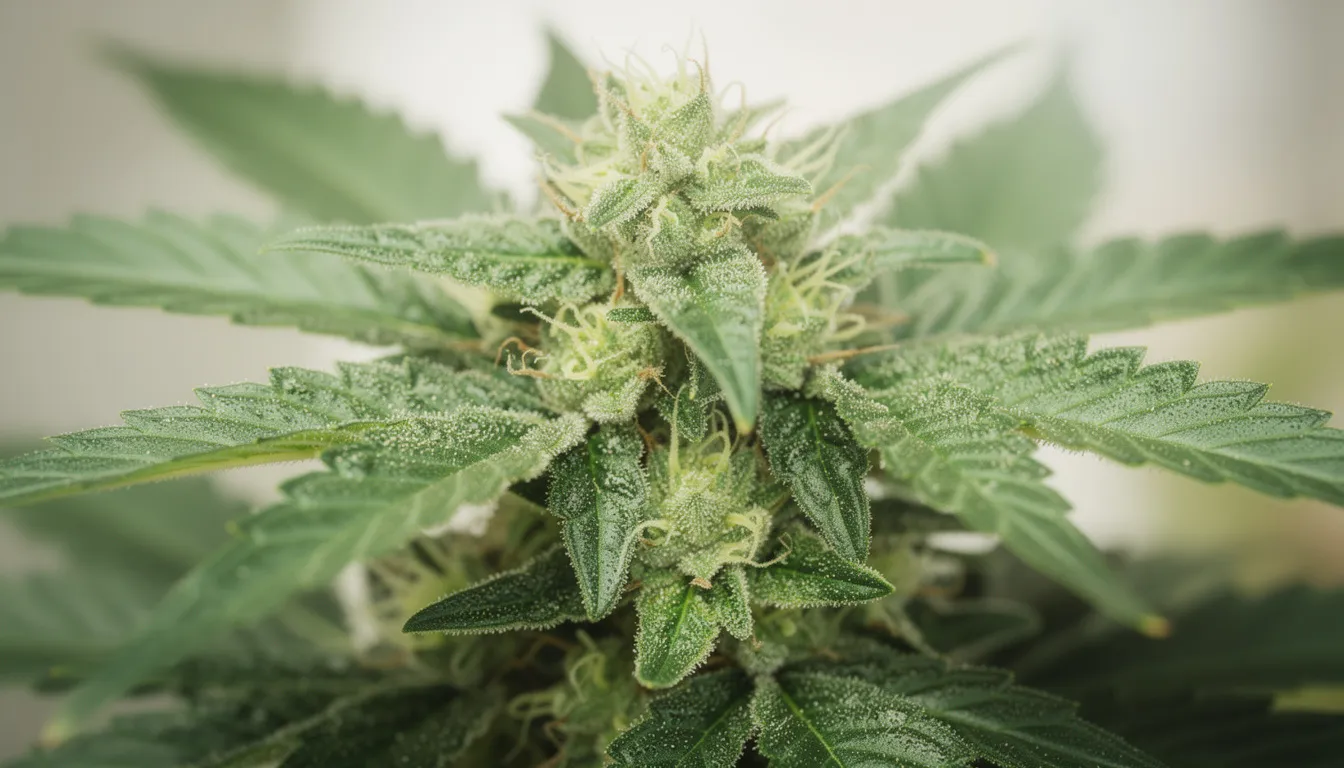
THCJD is not a randomly "newly invented" molecule, but has a long scientific history. THC-like compounds with extended alkyl side chains already appeared in cannabinoid research in the early 1940s.
In 1941, substances were described that are now largely interpreted as THCJD. References to THC Octyl and the synthetic cannabinoid JWH-138 can be found in the scientific literature. These compounds originally served as chemical reference substances for research – no one considered a consumer market at the time.
That changed around 2020. The CBD boom had led to a growing interest in alternative cannabinoids. Manufacturers began producing and marketing semi-synthetic compounds. This is how THCJD came onto the market.
The name "THCJD" itself is a marketing term. The initials "JD" presumably refer to the researcher who isolated or rediscovered the compound. This designation may encompass several very similar octyl-THC isomers. Since 2022, THCJD has been found in an increasing number of cannabis products worldwide.
Chemical structure of THCJD and differences to THC
THCJD is a homolog of Delta 9 THC. This means that both molecules share the same basic structure, but differ in one crucial detail – the length of their alkyl side chain.
The differences can be summarized as follows:
-
Delta 9 THC possesses a pentyl chain with 5 carbon atoms
-
THCJD possesses an octyl chain with 8 carbon atoms
This seemingly small deviation in the molecular structure has significant consequences. A longer side chain increases the lipophilicity – that is, the fat solubility – of the molecule. As a result, THCJD can penetrate cell membranes more easily and likely binds more strongly to the body's cannabinoid receptors.
Of particular relevance is the increased binding affinity to the CB1 receptor in the brain. The longer the carbon chain, the stronger this binding appears to be. This explains why THCJD is considered significantly more potent than classic THC.
In the world of cannabinoids, THCJD is therefore classified as an "ultra-potency cannabinoid." Similar compounds include THCP with its 7-carbon chain. The properties of these substances differ significantly from those of traditional cannabis.
Production of THCJD: natural occurrence and semi-synthetic production
Although THCJD occurs naturally in the cannabis plant, the amounts are so small that direct extraction is hardly economically viable. We're talking about trace amounts here – concentrations far too low for commercial production.
In the plant, THCJD is likely produced via the same biosynthetic pathways as THC: CBG (cannabigerol) is converted to THCA, from which various THC variants can then be formed. However, THCJD remains a trace cannabinoid.
Commercial production therefore takes place in the laboratory through a process called isomerization. The result of this isomerization of CBD molecules with the help of catalysts is the formation of THCJD. The typical process looks like this:
-
Raw material : CBD isolate or CBG isolate from hemp
-
Chemical reaction : Use of acids and catalysts for molecular transformation
-
Cleaning : Removal of byproducts and impurities
-
End product : THCJD as distillate
This method classifies THCJD as a semi-synthetic cannabinoid. The plant precursor comes from hemp, but is chemically converted into a different, more potent molecule.
This production process carries risks: If cleanliness is not maintained, residues of solvents, heavy metals, or unwanted byproducts can remain in the final product. The quality depends heavily on the standards of the manufacturing laboratory.
How does THCJD work? Suspected effects on body and mind.
One thing must be clear from the outset: there are hardly any clinical studies on THCJD. The available information is largely based on analogies to THC and on the experiences of consumers who have been sharing their reports since 2022.
THCJD acts like THC on the body's endocannabinoid system. It binds to CB1 receptors in the brain and central nervous system, as well as to CB2 receptors, which are primarily distributed throughout the immune system. The extended alkyl chain leads to stronger receptor binding.
Users typically report the following effects:
-
Intense psychoactive “high”
-
Altered perception of time and space
-
Enhanced sensory impressions
-
Euphoria and elevated mood
-
Deep physical relaxation, even to the point of "couch-lock".
-
Feelings of happiness and contentment
According to reports, the effects often set in quickly and last longer than with traditional cannabis. The main effects are estimated to last about 2 to 4 hours, with possible after-effects extending beyond that.
It's important to understand that the strength and duration of the effects depend heavily on individual factors. Dosage, method of consumption (vapes vs. edibles), body weight, tolerance, and personal sensitivity all play a role. What is pleasant for one person can be overwhelming for another.

Receptor binding: How THCJD works in the body
THCJD exerts its effects in the human body by specifically binding to the receptors of the endocannabinoid system – a network that plays a central role in regulating numerous physiological processes. Like other cannabinoids, such as THC or CBD, THCJD interacts primarily with the so-called CB1 and CB2 receptors.
CB1 receptors are predominantly located in the brain and central nervous system. They are largely responsible for the psychoactive effects that many users associate with cannabinoids. CB2 receptors, on the other hand, are mainly found in the immune system and peripheral tissues and influence, among other things, inflammatory processes and general well-being.
What distinguishes THCJD from other cannabinoids is its exceptional binding affinity to these receptors. The extended alkyl side chain in the molecular structure of THCJD allows the molecule to bind even more strongly to CB1 receptors than classic THC. This property explains the increased potency and more intense psychoactive effects of THCJD compared to other substances from the cannabis plant.
The specific effects of THCJD on the endocannabinoid system are the subject of current research. Scientists are investigating how its structure—particularly the length of its alkyl side chain—influences its binding to receptors and thus its effects on the body and mind. Initial findings suggest that these molecular differences can alter not only the potency but also the duration and risk profile of its effects.
Since research on THCJD and its interaction with CB1 and CB2 receptors is still in its early stages, many questions remain regarding its therapeutic potential, side effects, and long-term risks. However, one thing is clear: THCJD's exceptional binding strength makes it one of the more potent cannabinoids, and its effects on the body should be carefully monitored.
Possible side effects and health risks of THCJD
Stronger binding to the CB1 receptor not only means more intense desired effects – it can also lead to more severe side effects. Therefore, increased caution is advised when using THCJD.
Typical short-term side effects include dry mouth, red eyes, increased heart rate, dizziness, nausea, and impaired coordination. These symptoms are also known from regular THC, but they may be more pronounced with THCJD.
The psychological risks are particularly serious:
-
Anxiety and inner restlessness
-
paranoia and ideas of persecution
-
Panic attacks , especially at high doses
-
dissociation and a feeling of loss of control
People with pre-existing mental health conditions or vulnerable personality structures are at increased risk. The stronger and longer-lasting effects of THCJD increase the likelihood of a so-called "bad trip" or feeling of overdose.
Additional risks arise from the semi-synthetic manufacturing process. Products may contain impurities – solvent residues, pesticides, heavy metals, or unknown byproducts. Quality control varies considerably between manufacturers.
Due to a lack of studies, virtually nothing is known about long-term effects. As of 2024, this area remains completely unexplored. Therefore, particular caution, low starting doses, and sufficient breaks between uses are advisable.
THCJD compared to THC, THCP, THCB and THCV
The market for new cannabinoids has become confusing. Various substances with different side chain lengths are offered, and they differ considerably in potency and effects.
The length of the alkyl side chain is the decisive factor. In contrast to THC with 5 carbon atoms, cannabinoids with longer chains tend to exhibit stronger psychoactive properties:
THCV It has only 3 carbon atoms in its chain. It is considered to be rather weakly psychoactive and even has an antagonistic effect – meaning it weakens the effects of THC – in some cases.
THCB It has 4 carbon atoms and is therefore slightly less potent than classic THC. Its potency is considered moderate.
Delta 9 THC With its 5 carbon atoms, it is the best-known and most thoroughly researched psychoactive cannabinoid from cannabis.
THCP It has 7 carbon atoms and is estimated to be about 33 times more potent than THC. It is considered one of the strongest naturally occurring substances. Cannabinoids .
THCJD With 8 carbon atoms, it is estimated to be about 19 times more potent than THC. Compared to THCP, it is slightly less potent, but significantly surpasses classic THC.
The main difference between these substances also lies in the state of research. THC and THCV occur naturally in larger quantities and are better studied. THCJD and THCP are largely produced in the laboratory, and the scientific data on them is minimal.
Consumers often describe THCJD as "a step above THC"—more intense, longer lasting, but also with a higher risk of unpleasant experiences. However, individual reactions vary widely.
Legal status of THCJD (Germany, EU and international)
The legal status of THCJD is dynamic and has been changing in many countries since 2023/2024. What was in a gray area yesterday may be banned tomorrow.
Germany: The classification of THCJD is governed by various laws – the Narcotics Act (BtMG), the New Psychoactive Substances Act (NpSG), and the new Cannabis Act. THC-like substances can fall under narcotics law or analogous regulations. The legal assessment depends on the precise chemical structure and is not always clear-cut.
EU countries: In several European countries, THCJD was traded as a "gray area product" between 2022 and 2024. France already issued bans on similar substances to HHC in June 2023. THCJD is also coming under regulatory scrutiny. Austria, the Netherlands, and the Czech Republic have taken different approaches.
USA: The Farm Bill framework is used there, which legalizes hemp with less than 0.3% Delta 9 THC. Many THCJD products are sold under this regulation. However, individual states enact their own prohibitions and regulations.
Important NOTE: Consumers should check the current national legal situation before every purchase. Prohibitions or classifications can change at short notice, and what is advertised as "legal" online may not be so in their own country.
What THCJD products are available on the market?
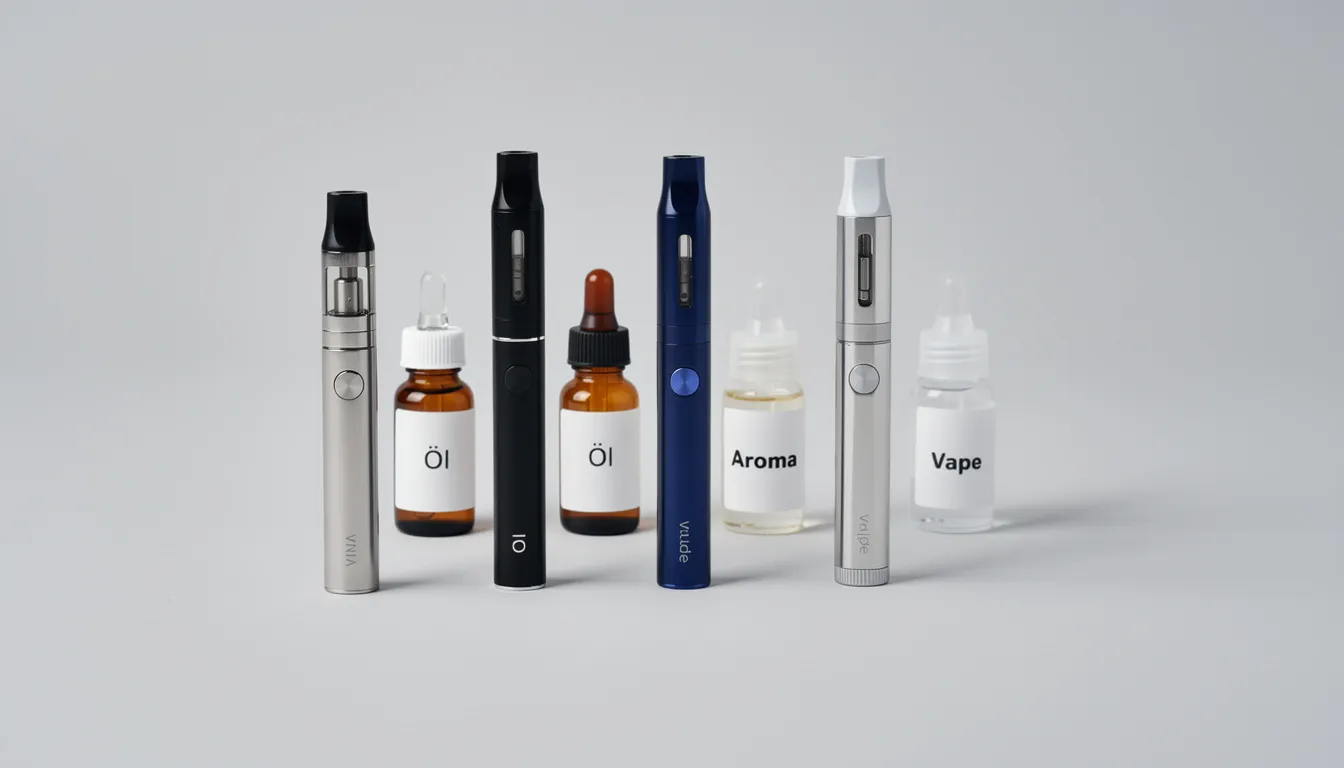
Since around 2022, THCJD has increasingly become part of legal high product ranges and online shops in Europe and the USA. Product range is remarkable.
Typical product forms include:
-
Vape pens and cartridges : For vaporization, fast onset of effects
-
Gummy bears and other edibles : Longer onset of action, but also longer duration of effect.
-
Tinctures and oils : Sublingual application under the tongue or for mixing.
-
Flowers infused with THCJD distillate : Conventional hemp flowers infused with THCJD distillate.
-
Hashish varieties : Pressed products containing THCJD
-
Chocolate and drinks : Edibles in alternative forms
THCJD is almost always combined with other cannabinoids. Typical combinations include CBD, THCP, THCH, or THCA. These mixtures are intended to modulate the effects and create a specific effect profile – similar to the so-called entourage effect in natural cannabis.
Many Products They are formally below the legal THC limits (approximately below 0.2% or 0.3% Delta 9 THC). However, due to their THCJD content, they are still very potent.
The price of THCJD products varies considerably. Manufacturers' dosage recommendations are often very cautious – for example, 1 to 2 puffs when vaping or a small portion in edibles. These recommendations should be strictly followed.
Quality, laboratory analyses and consumer protection
Independent quality control is particularly important for semi-synthetic cannabinoids like THCJD. Laboratory production carries risks that can only be minimized through careful analysis.
Meaningful laboratory analyses include:
|
Type of analysis |
What is being checked? |
Why it's important |
|---|---|---|
|
Cannabinoid profile |
Content of THCJD, THC, CBD etc. |
Correct dosage |
|
solvent |
Production residues |
Health protection |
|
Pesticides |
Stress on the starting material |
Health protection |
|
Heavy metals |
Lead, cadmium, mercury, etc. |
Long-term risks |
|
microbiology |
Mold, bacteria |
Acute health risks |
Reputable suppliers provide Certificates of Analysis (COAs) from independent laboratories. Ensure the COA has a current test date (ideally 2023/2024) and a batch number that matches the product.
Missing or unclear lab reports are a warning sign. You should be especially skeptical of extremely cheap THCJD products – quality control costs money, and those who try to save money here are penny-wise and pound-foolish.
Even products offered "legally" can pose health risks if manufacturing and cleaning are not carried out professionally. The list of sources you trust should be short and verified.
Safe use, dosage, and target groups who should avoid it
THCJD should be handled with particular caution. The compound can be significantly more potent than classic THC – with all the consequences that entails.
THCJD is generally not recommended for inexperienced users or people without THC tolerance. If you are new to the world of cannabinoids, start with better-researched substances and low doses.
The following recommendations apply to experienced consumers:
-
Start low, go slow : Begin with very low doses.
-
Maintain distances : When vaping, take long breaks between puffs.
-
Wait for the effects to kick in : Especially with edibles, it can take 1-2 hours.
-
Pay attention to set and setting : Safe environment, familiar people
-
Do not combine with other medications : Do not take THCJD with alcohol, other drugs, or sedating medications.
Certain groups of people should completely avoid THCJD:
-
Pregnant women and breastfeeding mothers
-
Minors
-
People with cardiovascular diseases
-
People with pre-existing mental health conditions (psychoses, severe anxiety disorders, depression)
-
People taking medications that could interact with cannabinoids
These recommendations are harm-reduction oriented. They are not intended to encourage consumption, but rather to minimize risks should someone choose to consume.
Future prospects: Research, market and societal significance
The future of THCJD and other new cannabinoids is closely linked to the progress of scientific research and the development of clear regulatory frameworks. While THCJD is currently marketed in some countries as a legal alternative to classic psychoactive substances, it is foreseeable that the legal situation will evolve further as our knowledge of its effects and risks grows.
The market for cannabinoids is growing rapidly worldwide. There is increasing interest in innovative products that contain not only THCJD but also other cannabinoids. new cannabinoids The range of ingredients is vast, both in the medical and recreational sectors. Manufacturers are experimenting with different combinations and dosage forms to enable targeted applications and new experiences. This could lead to a wide variety of uses, particularly in the wellness and alternative medicine fields.
At the same time, research and development face the challenge of proving the safety and efficacy of these substances. Only through close cooperation with health authorities and strict regulation can it be ensured that products containing THCJD and other cannabinoids take consumer protection seriously and minimize the potential for misuse.
The societal significance of THCJD will become even clearer in the coming years. As awareness grows about the properties, benefits, and risks of these substances, public perception and political stances may also change. The development of new cannabinoids like THCJD exemplifies the transformation of the cannabis industry – from a purely recreational drug to a field with medical, therapeutic, and economic potential.
Ultimately, the future of THCJD will depend on how responsibly industry, research, and society handle these new possibilities. Only in this way can the potential of these substances be fully realized without losing sight of the risks.
Conclusion: How is THCJD currently classified?
THCJD is a highly psychoactive, semi-synthetic cannabinoid with an extended side chain. It is chemically closely related to THC related, but potentially much more potent – and at the same time considerably less researched than classic cannabinoids.
The world of THCJD products is growing, international markets are emerging, and consumer interest is high. Nevertheless, the scientific data on safety and long-term effects remains minimal. We simply don't know what risks might be associated with regular consumption.
Anyone considering THCJD should critically examine the legal situation in their own country, as well as health risks and quality assurance, before any potential consumption. A lack of laboratory analysis and unclear origin are grounds for exclusion.
Responsible handling, transparency from manufacturers, and further independent research are essential prerequisites for a reliable assessment of THCJD. Until then, prevention is better than cure.
Share:
HHCP: Effects, risks and legal status of the potent cannabinoid
THCV: Effects, potential and differences to THC & CBD