
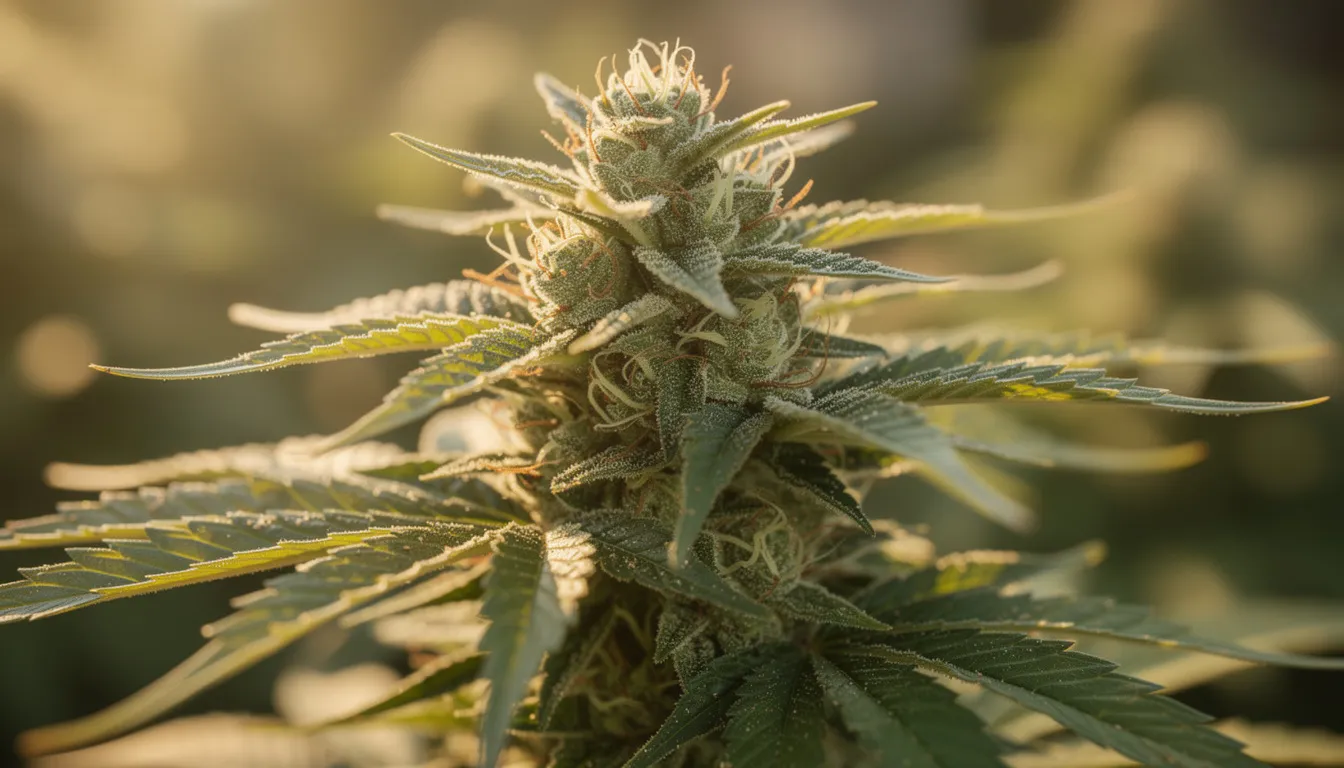
CBN (Cannabinol) – Effects, Applications & Current State of Research
Key findings
-
CBN (Cannabinol) is a natural breakdown product of THC, found mainly in aged cannabis – the content in fresh flowers is usually below 1%.
-
Unlike THC, it causes CBN has no classic psychoactive effect and is practically non-intoxicating in typical CBN oils.
-
People's main interest is in sleep, relaxation and pain – however, research is still in its early stages and so far mainly provides preclinical results as well as a few small human studies from 2023/2024.
-
Legally, CBN is not explicitly prohibited in Germany as of 2025; however, grey areas and quality aspects such as laboratory tests and THC content should be considered.
-
Quality criteria such as organic quality, independent laboratory analyses and transparent manufacturer information are crucial when purchasing CBN products.
-
This article is aimed at anyone interested in the effects, applications and current state of research on CBN – from beginners to experienced users.
What is CBN (cannabinol)?
Cannabinol, or CBN for short, is a naturally occurring cannabinoid found in the hemp or cannabis plant. CBN is a lesser-known cannabinoid that is a breakdown product of THC and is primarily found in older cannabis plants. Its chemical formula is C₂₁H₂₆O₂, and it belongs to the large family of cannabinoids, which also includes the more well-known THC and CBD.
The history of cannabinol (CBN) goes back surprisingly far. CBN was first isolated from cannabis as early as 1896 – significantly earlier than THC or THC. Cannabinoid . Its complete structure was elucidated in the 1930s. Interestingly, CBN was long mistakenly considered the substance responsible for the cannabis high. It wasn't until 1964 that researchers identified THC as the actual psychoactive cannabinoid.
Unlike THC and CBD, CBN belongs to the so-called "minor cannabinoids." This means that fresh plant material typically contains only trace amounts of less than 0.5 to 1 percent. CBN is naturally only weakly psychoactive—animal models show about one-tenth the potency of THC. In commercially available CBN products, it is used in quantities that produce virtually no intoxicating effect.
How is CBN produced in the plant?
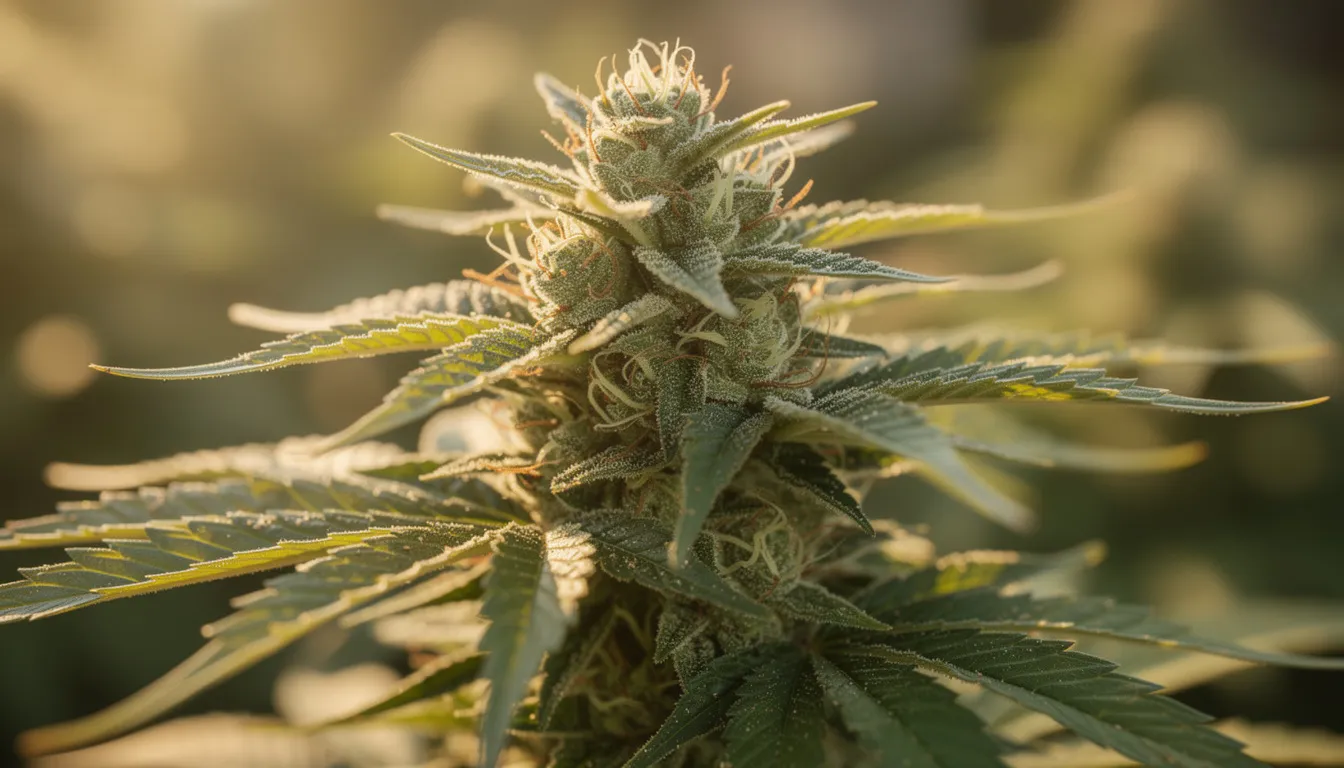
The formation of CBN is best understood as a natural maturation and aging process. It all begins with CBGA, the so-called "mother molecule" of all cannabinoids in the cannabis plant. From CBGA, THCA, the acidic precursor of THC, develops.
When THC is exposed to oxygen, UV light, or elevated temperatures for extended periods, it oxidizes and converts to CBN. This degradation doesn't happen overnight but develops slowly due to improper storage or deliberate aging. Poorly stored flowers can therefore have a significantly higher CBN content than fresh cannabis flowers.
An important intermediate step is CBNA – the acidic form of CBN. Through heat at around 100 to 120 degrees Celsius (decarboxylation), CBNA is converted to CBN. This process occurs, for example, during baking, vaporization, or smoking.
Aged or oxidized cannabis flowers typically contain less than 1 percent CBN in 2024/2025. However, special strains or intentionally aged material can reach higher levels, which is relevant for the production of CBN products.
How does CBN work in the body? (Endocannabinoid system)
To understand the effects of CBN, we need to look at the endocannabinoid system (ECS). This system, which is produced by the body, consists of receptors found in the brain, nervous system, and immune system. The most important of these are the CB1 and CB2 receptors. The ECS regulates, among other things, sleep, pain, mood, and immune responses.
CBN exhibits a higher affinity for CB2 receptors than for CB1 receptors. Unlike THC, CBN is a significantly weaker agonist at these binding sites and acts partially as a partial agonist at the CB1 receptor. This explains why CBN rarely produces the classic "high" effect.
In addition to the classic cannabinoid receptors, CBN also interacts with the TRPV2 receptor, which plays a role in pain and inflammatory processes. This could explain some of the observed effects.
What does that mean in practical terms? Compared to CBD, CBN binds somewhat more directly to the classic cannabinoid receptors. CBD, on the other hand, acts more as a modulator via enzymes, transporters, and other receptors. Neither cannabinoid produces a high, but both have other effects. different effects in the body .
Differences between CBN and CBD
For consumers, the distinction between CBN and CBD is important because, although both “do not get you high”, they differ considerably in their origin, mechanism of action and the state of research.
|
aspect |
CBN |
CBD |
|---|---|---|
|
Origin |
From THC/THCA through oxidation and aging |
CBDA produced by decarboxylation (heating) |
|
Happen |
Small amounts in aged cannabis |
Higher quantities in specific hemp varieties |
|
Mechanism of action |
Direct binding to CB1/CB2 + TRPV2 |
Wider, modulates many systems |
|
State of research |
Little clinical research |
Well researched (e.g. Epidyolex in the EU since 2019) |
|
focus |
Sleep, inflammation, neuroprotection |
Epilepsy, anxiety, pain |
|
Availability |
Smaller market, more expensive |
Widely available |
|
CBD is well-researched for epilepsy – the drug Epidyolex has been approved in the EU since 2019. Extensive studies also exist for anxiety and pain. CBN, on the other hand, has been clinically studied considerably less, with current research focusing on sleep, inflammation, and neuroprotection. |
In practical terms, CBD products are more widely available and subject to more frequent regulations. CBN products represent a smaller market, are often more expensive, and exhibit greater variations in quality. CBD and CBN are also increasingly being offered in combination.
Does CBN have a sleep-inducing or sedative effect?
The claim that "CBN is the sleep cannabinoid" has been circulating in the wellness scene for years. But how well-founded is this claim really?
The historical observations arose as follows: Old, THC-rich flowers with high CBN content were perceived by consumers as particularly "drowsy." However, current research shows that this effect is probably more related to the remaining THC in combination with sedating terpenes such as myrcene and linalool – not to CBN alone.
The body of research on the sleep-promoting effects of CBN is still limited:
-
1970s: Small studies with methodological limitations
-
2019-2024: Recent pilot studies with CBN doses around 20 mg show slight improvements in sleep quality, but small sample sizes and methodological limitations restrict the findings.
The conclusion of current research: CBN alone has not shown a consistently strong sedative effect in previous human studies. Mild drowsiness may occur primarily at higher doses or in combination with THC and other cannabinoids.
Practical tip: If you would like to try CBN products for evening use, start with a low dose and observe your individual reaction. Some people report feeling tired, while others report feeling more alert.

Potential health effects of CBN
As of 2024/2025, research on CBN is predominantly preclinical – meaning cell culture and animal studies. Only a few small human studies exist. Therefore, all statements regarding health effects should be formulated with caution: CBN “could” or has “potential”.
Pain and inflammation
Animal studies show that CBN can exert anti-inflammatory and analgesic effects via CB2 and TRPV2 receptors. Promising results have been observed in arthritis models. However, human studies are still pending.
Intraocular pressure (glaucoma)
In animal studies, CBN lowered intraocular pressure. However, CBN has not yet outperformed standard medications and is not approved for this use.
Antibacterial effect
A widely cited study from 2008 showed that CBN was effective against MRSA strains (multidrug-resistant bacteria). This is an interesting laboratory finding, but so far it has no clinical application in everyday practice.
Appetite stimulation
Animal studies show that CBN can increase food intake. This makes it a potential candidate as a non-intoxicating alternative to THC-based appetite stimulants – but currently purely experimental.
Neuroprotection
Studies in mice and rats using ALS-like models suggest that CBN could protect aging nerve cells. The mechanisms involved include oxidative stress and mitochondrial function. Overly optimistic claims are inappropriate here – the results are preliminary.
Skin and Dermatology
Laboratory findings suggest effects on keratinocyte proliferation and inflammation. Potential relevance exists for acne, psoriasis, and other skin conditions, but the focus so far has been more on CBD for dermatological applications.
CBN in combination with other cannabinoids (entourage effect)
The entourage effect describes the synergistic effect when several cannabinoids and terpenes are ingested together. Imagine an orchestra: A solo instrument can sound beautiful, but the full spectrum of sound only unfolds when all the instruments play together.
CBN + CBD
The combination of CBN and CBD is increasingly being marketed for sleep and relaxation. Initial human studies from 2023/2024 using combinations of approximately 20 mg of CBN and variable doses of CBD show slight improvements in sleep parameters. However, the sample sizes are small, and further studies are needed.
CBN + THC
CBN likely enhances certain effects of THC, particularly sedation and possibly dizziness. In sensitive individuals, this combination may lead to increased drowsiness. Caution is advised.
Full-spectrum extracts
Many hemp oils contain, in addition to CBD It also contains small amounts of CBN, CBG, CBC, and various terpenes. Potential advantages include a broader spectrum of activity, while disadvantages include effects that are more difficult to attribute to specific ailments.
General note: Start slowly with combination products, keep a diary of your experiences, and talk to medical professionals if you have any existing medical conditions.
CBN Products: Shapes, Application & Quality
Available product forms
|
Product form |
Onset of effect |
Special features |
|---|---|---|
|
Oils/tinctures |
15-45 minutes (sublingual) |
Drops under the tongue, flexible dosage |
|
Capsules |
1-2 hours |
Tasteless, fixed dosage |
|
Edibles/Gummy bears |
1-2 hours |
Pleasant taste, longer duration of effect |
|
Topicals/Cosmetics |
Local, variable |
For skin applications |
|
Vape products |
A few minutes |
Fast onset of action, but lung strain |
Production of CBN oil
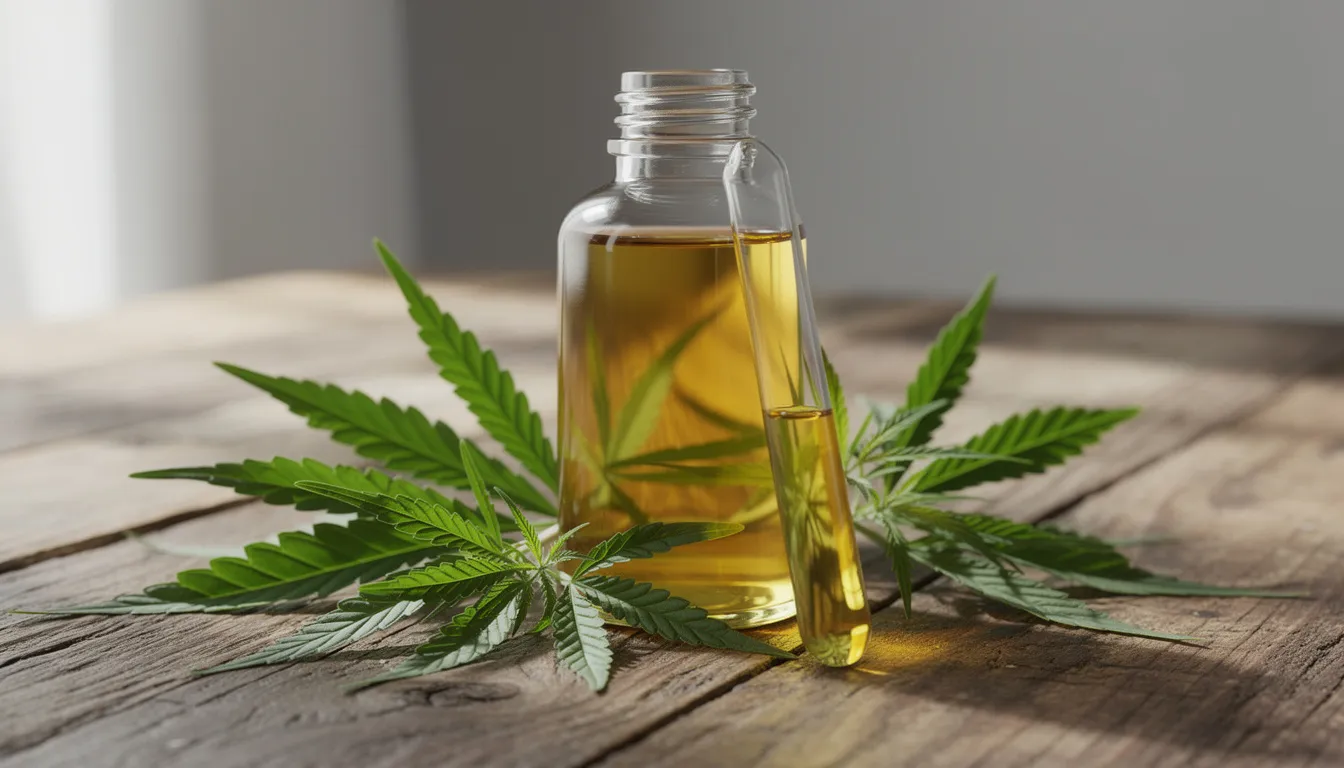
The technical production of CBN oil is more complex than that of CBD oil. First, a full-spectrum extract is produced, followed by targeted oxidation or post-processing to enrich it with CBN. This additional step makes CBN products more expensive and less common than comparable CBD options.
Quality criteria
When buying, pay attention to the following points:
-
Origin: EU-certified industrial hemp, ideally organic quality
-
Extraction: CO₂ extraction or other gentle methods
-
Laboratory tests: Independent analyses on Cannabinoid profile , THC content, heavy metals, solvents and pesticides
-
Transparency: All relevant data can be viewed on the website.
-
Carrier oil: Organic MCT oil or hemp seed oil is often used.
Practical application
The "start low, go slow" principle also applies to CBN:
-
Start with a few milligrams of CBN per day.
-
Increase the amount slowly over several days.
-
Observe the effect and adjust as needed.
-
Record your experiences in a diary.
Safety aspects, side effects & interactions
CBN is considered relatively well-tolerated in animal studies and the few human studies conducted so far. However, long-term data and large-scale clinical trials are lacking.
Typical undesirable effects
-
Fatigue and drowsiness (especially at higher doses)
-
Dry mouth
-
Mild dizziness
-
Possible drop in blood pressure
These effects are based on limited data and may vary individually.
Warning notices
-
Alcohol and sedatives: Do not combine (benzodiazepines, sleeping pills)
-
Drugs with a narrow therapeutic index: Medical advice is absolutely essential when taking antiepileptic drugs, antidepressants, and similar medications.
-
Special groups: Pregnant women, breastfeeding mothers, adolescents and people with serious cardiovascular or liver/kidney diseases should only use CBN after consulting a doctor or not at all.
Important NOTE
As of 2025, CBN is not an approved drug and should not be used for self-treatment of serious illnesses without professional guidance.
Legal situation of CBN (Germany & international)
CBN is not listed as a controlled substance at the UN level. Its legal classification is determined at the national level and can vary from country to country.
Germany (as of mid/late 2025)
-
CBN itself is neither explicitly listed in the Narcotics Act (BtMG) nor in the New Psychoactive Substances Act (NpSG).
-
However, products can be problematic if they exceed relevant THC levels.
-
The legal situation is dynamic – the Cannabis Act 2024 has brought changes, and further adjustments are possible.
Practical aspects
CBN products are often marketed as aroma oils, cosmetics, or collector's items. The legal classification varies by country – regulations differ between Switzerland, Austria, and the Netherlands compared to Germany.
Disclaimer: This article does not constitute legal advice. If you are unsure, you should seek professional legal or official advice and inform yourself about the current legal situation in your own country before purchasing or acquiring any item.
Conclusion: What role can CBN play in well-being?
CBN is an intriguing minor cannabinoid that primarily forms as a breakdown product of THC in aged cannabis. It exhibits a unique effect profile with a focus on relaxation. Inflammation , pain, and possibly sleep.
Current evidence comes primarily from preclinical research and initial small studies. No promises of cures or guaranteed effects can or should be made.
For responsible use, we recommend:
-
Choose quality products with transparent laboratory testing.
-
Start with a low dose and critically observe the effects.
-
Always seek medical advice for serious symptoms.
-
Keep a diary of dosage and experiences
Outlook: In the coming years (2025+) Further clinical studies are expected to provide clarity on dosages, indications, and the long-term safety of CBN. Support from sound research will reveal the true potential of this cannabinoid.

FAQ – Frequently Asked Questions about CBN
How long does it take for CBN to take effect, and how long does the effect last?
When oils or drops are administered sublingually, the effects usually begin after 15 to 45 minutes. With edibles and capsules, it can take 1 to 2 hours. The total duration of effects varies depending on the product and dosage, ranging from approximately 4 to 8 hours. Individual differences due to metabolism, body weight, and meals are normal.
Can I drive after taking CBN?
CBN can cause drowsiness and impair reaction time. After taking it—especially new or higher doses—you should not drive or operate machinery until you know how it affects you. Unlike THC, CBN is not considered a classic drug that affects driving ability, but drowsiness can still be dangerous.
Can CBN be detected in a drug test (e.g., urine screening)?
Standard rapid tests are designed to detect THC metabolites (THC-COOH), not CBN. Pure CBN is not usually tested. However, trace amounts of THC in products or possible cross-reactions cannot be completely ruled out. Use only tested, low-THC products with current laboratory certificates. If in doubt, consult your doctor or employer.
Is CBN suitable for pets such as dogs or cats?
There are initial experimental applications of cannabinoids in animals, but CBN is poorly researched. Self-medication of pets is strongly discouraged. Always consult a veterinarian experienced in cannabinoid therapy before giving your animal CBN products.
How do I distinguish reputable CBN providers from disreputable shops?
Pay attention to the following quality features:
-
Laboratory Certificates (COA): Current analyses per batch available
-
Clear details: CBN and THC content are clearly displayed.
-
Imprint: Providers within the EU with a verifiable address
-
No promises of healing: Reputable providers avoid exaggerated claims.
-
Customer reviews: Verifiable experiences of other buyers
-
Transparency: Information on origin, cultivation and extraction methods
You should avoid products that come in a bottle without any shipping information or that make unrealistic promises about their effectiveness.
Share:
H4CBD: Effects, benefits and differences to conventional CBD
CBD Oil for Dogs: Benefits, Dosage and Important Information for Owners