
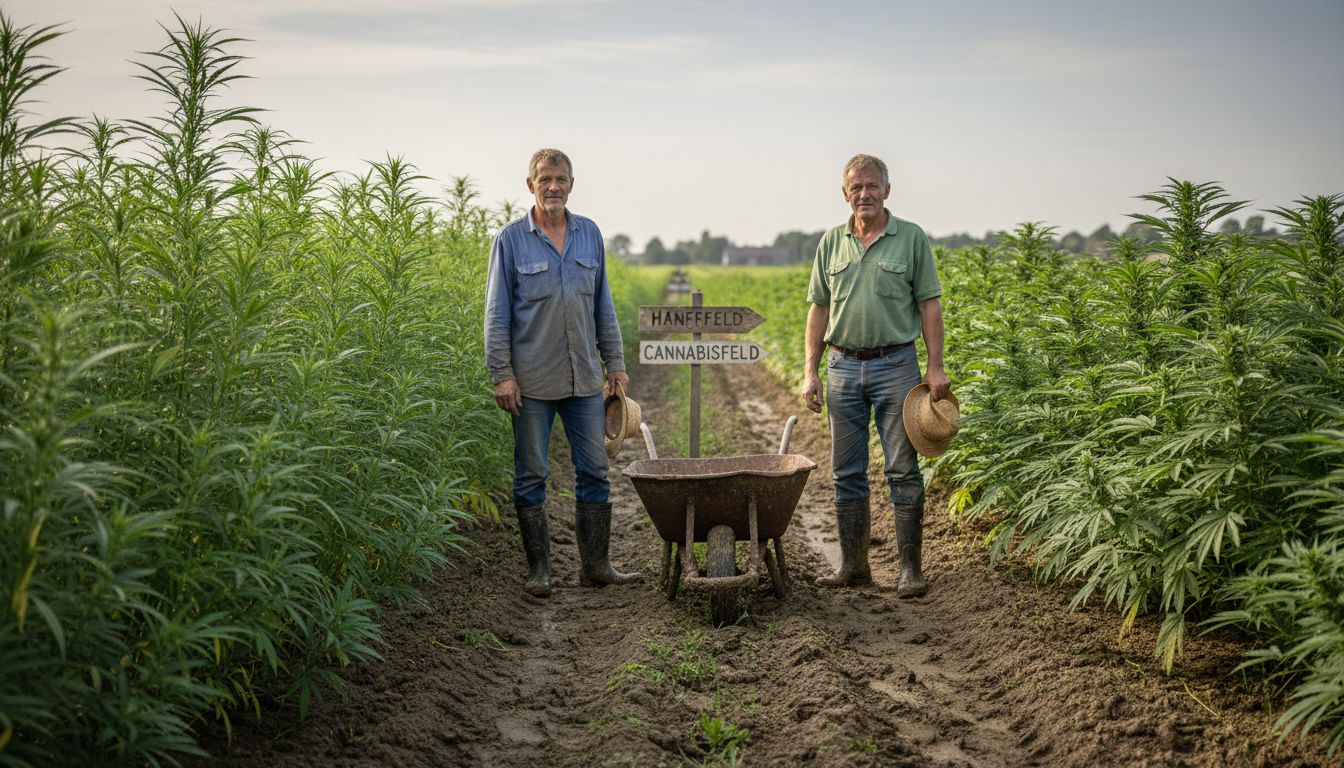
More than 90 percent of consumers cannot clearly distinguish between hemp and cannabis. This knowledge is crucial when it comes to legal regulations, health issues, and responsible consumption. Understanding the botanical characteristics, the different product types, and the current regulations in Germany enables better choices and protects against risks stemming from a lack of knowledge.
Table of contents
- Botanical basis and clarification of terms
- Industrial hemp versus THC-rich cannabis
- Forms: Marijuana, hashish, CBD products
- Legal framework in Germany
- Cultivation, Use and Risks
- Hemp alternatives and consumer options
Key findings
| Point | Details |
|---|---|
| Differences between hemp and cannabis | Hemp is grown for industrial purposes and contains less than 0.2% THC, while cannabis is mainly cultivated for medical and recreational purposes with higher THC levels. |
| Legal framework | In Germany, industrial hemp and CBD products with minimal THC content are legal, while recreational cannabis remains largely prohibited. |
| Variety of products | The cannabis landscape encompasses diverse products such as marijuana, hashish, and CBD products, which offer different effects and applications. |
| Responsible consumption | Consumers should carefully examine the origin, quality, and legal framework of hemp products and make informed decisions. |
Botanical basis and clarification of terms
Hemp and cannabis are botanical relatives that often cause confusion. Although they belong to the same genus of plants, they differ fundamentally in their composition and uses. Cannabis sativa is the overarching species that encompasses both hemp and psychoactive cannabis varieties.
At a botanical level, the differences can be precisely defined. Hemp is primarily cultivated for industrial purposes such as textiles, paper, and building materials, while cannabis plants are mainly grown for medicinal and recreational purposes. The key distinguishing factor lies in the tetrahydrocannabinol (THC) content : hemp contains less than 0.2% THC, while cannabis plants have significantly higher concentrations.
For consumers, these botanical nuances are crucial. Hemp produces cannabidiol (CBD) in high concentrations, a non-psychoactive cannabinoid with potential therapeutic properties. Cannabis, on the other hand, is primarily consumed for its psychoactive effects due to THC. The genetic similarity of the two plants does not mean they are interchangeable—each fulfills specific functions and is subject to different legal regulations.
The classification is complex: While hemp and cannabis are botanically closely related, their applications diverge fundamentally. Consumers should understand the subtle differences in order to make informed decisions and appreciate the unique properties of both plants.
Industrial hemp versus THC-rich cannabis
The distinction between industrial hemp and high-THC cannabis is crucial for consumers and farmers. Industrial hemp varieties with low THC content are defined by their minimal level of psychoactive substances. Since January 1, 2023, hemp varieties with up to 0.3 percent THC have been legal for agricultural cultivation.
The scientific approach to differentiation is based on precise chemical ratios. Cannabidiol analyses show that the THC to CBD ratio in industrial hemp should be below 1.5 to distinguish it from psychoactive cannabis varieties. This botanical classification helps to separate industrial and medicinal hemp products from recreational cannabis.
For consumers, this means specifically: industrial hemp is suitable for products such as textiles, oils, food supplements, and building materials, while THC-rich cannabis is primarily used for medicinal or recreational purposes. This distinction is not only legally relevant but also defines the potential applications.
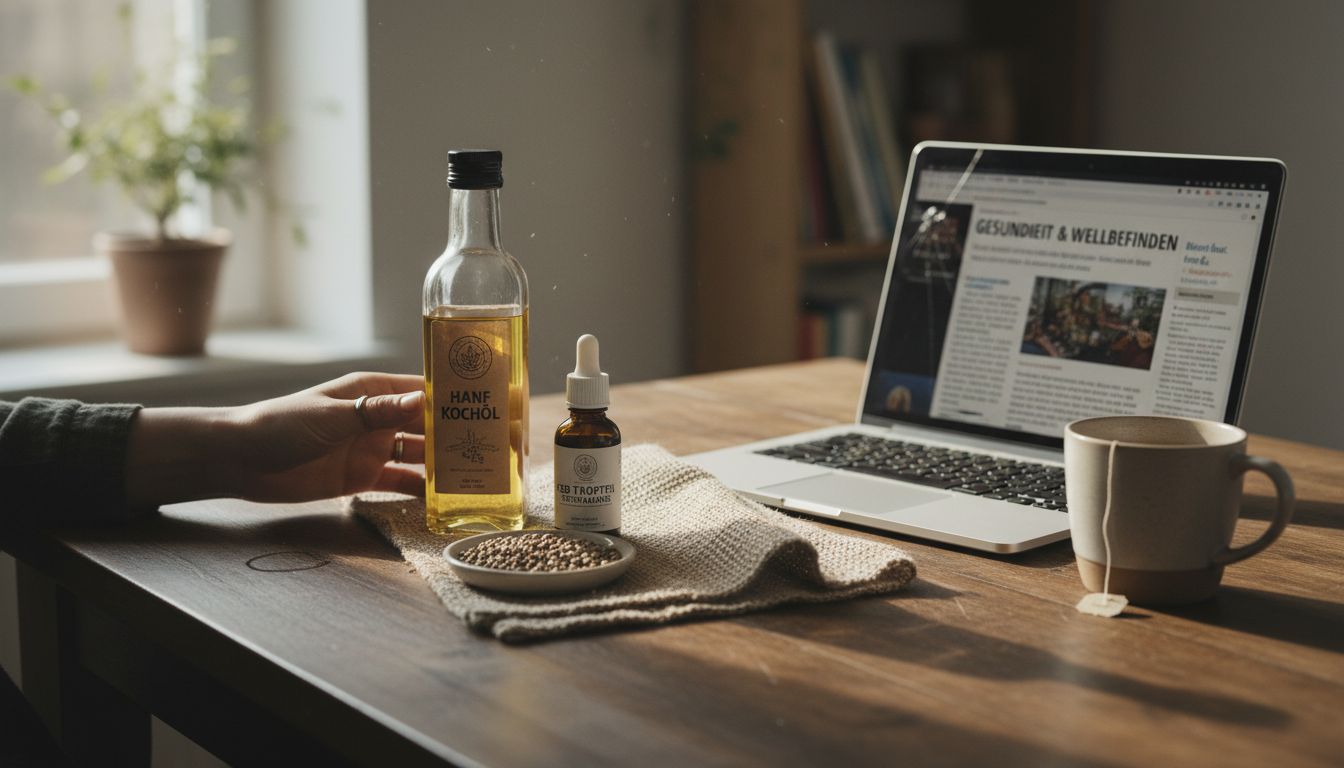
The complexity lies in the subtle differences: Both plants belong to the Cannabis sativa family, but differ fundamentally in their effects, uses, and legal status. Consumers must understand these nuances to make informed decisions and avoid potential legal risks.
Forms: Marijuana, hashish, CBD products
The cannabis landscape encompasses various products with different properties and effects. Commercially available hemp products range from food to CBD items , although nutrient-rich hemp seeds themselves contain no THC.
Marijuana consists of the dried flowers of the female cannabis plant and typically contains higher concentrations of THC. Hashish, on the other hand, is a concentrated resin extract. Hash oil is a highly THC-rich extract used both medicinally and recreationally , highlighting its versatility.

CBD products have gained significant popularity in recent years. Derived from hemp, they contain minimal amounts of THC, making them legal and therapeutically interesting. These products include oils, drops, capsules, and dietary supplements that offer potentially relaxing and anti-inflammatory effects.
For consumers, it is crucial to understand the differences: While marijuana and hashish primarily have psychoactive effects, CBD products aim for therapeutic effects without intoxication. The choice depends on individual needs, legal frameworks, and desired effects.
Legal framework in Germany
Cannabis and its derivatives are subject to complex legal regulations in Germany . According to the Narcotics Act, marijuana, cannabis resin, and THC are classified as narcotics. Exceptions apply to hemp seeds without THC content that are not intended for illegal cultivation.
The legislation precisely distinguishes between different cannabis products. Industrial hemp with a maximum THC content of 0.2% is legal and is used for industrial purposes such as textile and food production. CBD products are also legal as long as they comply with the legal limits. Recreational cannabis, on the other hand, remains largely prohibited, with the exception of medical applications under medical supervision.
The legal regulations for industrial hemp are in a dynamic phase of development , which is why consumers should exercise caution. Current legislative changes and regional differences require continuous information research. Consumers must always keep track of the latest regulations from the federal states and national authorities.
For consumers, this means: Absolute diligence and adherence to the law are essential. Every type of cannabis – be it industrial hemp, CBD product, or medical cannabis – is subject to specific legal regulations. Acting without information can quickly lead to legal consequences.
Cultivation, Use and Risks
Industrial hemp is a niche crop in German agriculture with dynamic development . In 2024, cultivation grew by 22 percent, while in 2025 the cultivated area decreased to approximately 5,300 hectares. These fluctuations demonstrate the plant's complex potential.
THC , the psychoactive cannabinoid, is produced in the glandular hairs of the plant and is found on leaves, leaf veins, and inflorescences. Its mind-altering effects make it both interesting and risky. Industrial hemp is primarily cultivated for industrial purposes such as textiles, paper, building materials, and dietary supplements.
The risks associated with growing and consuming hemp are manifold: legal uncertainties, potential health side effects, and the risk of misuse necessitate responsible behavior. Consumers must carefully examine the origin, quality, and legal framework.
For consumers, this means: hemp is a versatile plant with enormous potential, but not a miracle cure. An informed and thoughtful approach is essential – both in cultivation and consumption.
Hemp alternatives and consumer options
Today's cannabis landscape offers consumers a diverse range of alternatives to meet different needs and preferences. Innovative cannabinoid variants like H4CBD expand consumer options and create new horizons of experience beyond traditional hemp and cannabis products.
Consumers have several interesting options: CBD oils, full-spectrum extracts, isolates, and broad-spectrum products offer different effects. Synthetic cannabinoids like HHC represent another alternative, exploring legal gray areas and enabling specific experiences.
Consumer options range from therapeutic applications to recreational use. Important aspects when choosing a product include origin, purity, mechanism of action, and individual health compatibility. Consumers should always seek professional advice and consider their personal health goals.
A well-informed and responsible approach remains crucial. The cannabis industry is evolving rapidly, and consumers need to stay flexible and informed to find the best options for their individual needs.
Understand the difference and make the best choice for your hemp or cannabis experience.
The lines between hemp and cannabis are often confusing and have direct implications for effects, legality, and safety. Many consumers encounter uncertainty when purchasing products without clear knowledge of the THC content or the exact ingredients. Understanding the difference between low-THC industrial hemp and high-THC cannabis is essential to avoid unexpected legal issues and health risks.
Discover a carefully vetted selection of premium cannabinoids at Weedforfriends . Our products, including vapes, flowers, edibles, and CBD oils, are offered transparently and are lab-tested. This ensures you receive only high-quality, legal, and effective products. Rely on clarity instead of confusion and experience true relaxation and intense enjoyment without compromise. Learn more at Weedforfriends now and find your perfect cannabinoid product from Germany for the most discerning tastes.
Frequently Asked Questions
What is the difference between hemp and cannabis?
Hemp and cannabis belong to the same plant family, but differ in their composition and uses. Hemp has less than 0.2% THC and is mainly cultivated for industrial purposes, while cannabis has higher THC levels and is used for medicinal and recreational purposes.
Why is the THC content important for consumers?
The THC content is crucial, as it determines the psychoactive effects of a plant. Hemp with less than 0.2% THC has no intoxicating effect, while cannabis-based products with a high THC content can produce psychoactive effects.
What are the typical products made from hemp?
Hemp is used in a variety of products, including textiles, paper, building materials, oils, and dietary supplements. These products offer health benefits without psychoactive effects.
What risks are associated with the consumption of THC-rich cannabis?
Consuming high-THC cannabis can lead to psychological effects such as anxiety or paranoia. Furthermore, there are legal risks, as possession and consumption are strictly regulated in many regions.
Recommendation
- 10-OH-HHC: What is 10-OH-HHC? Effects, side effects, dangers & potential of HHC – Weedforfriends
- H4CBD: Everything you need to know – effects, uses, legality – Weedforfriends
- THCA: Function, effects and differences to THC - What is tetrahydrocannabinolic acid? – Weedforfriends
- Cannabis Legalization: Legal Smoking and Cannabis in Germany - The Future of Legalization – Weedforfriends
Share:
7 facts about cannabinoids explained for cannabis users
7 Premium Cannabinoid Characteristics Every Stoner Should Know