
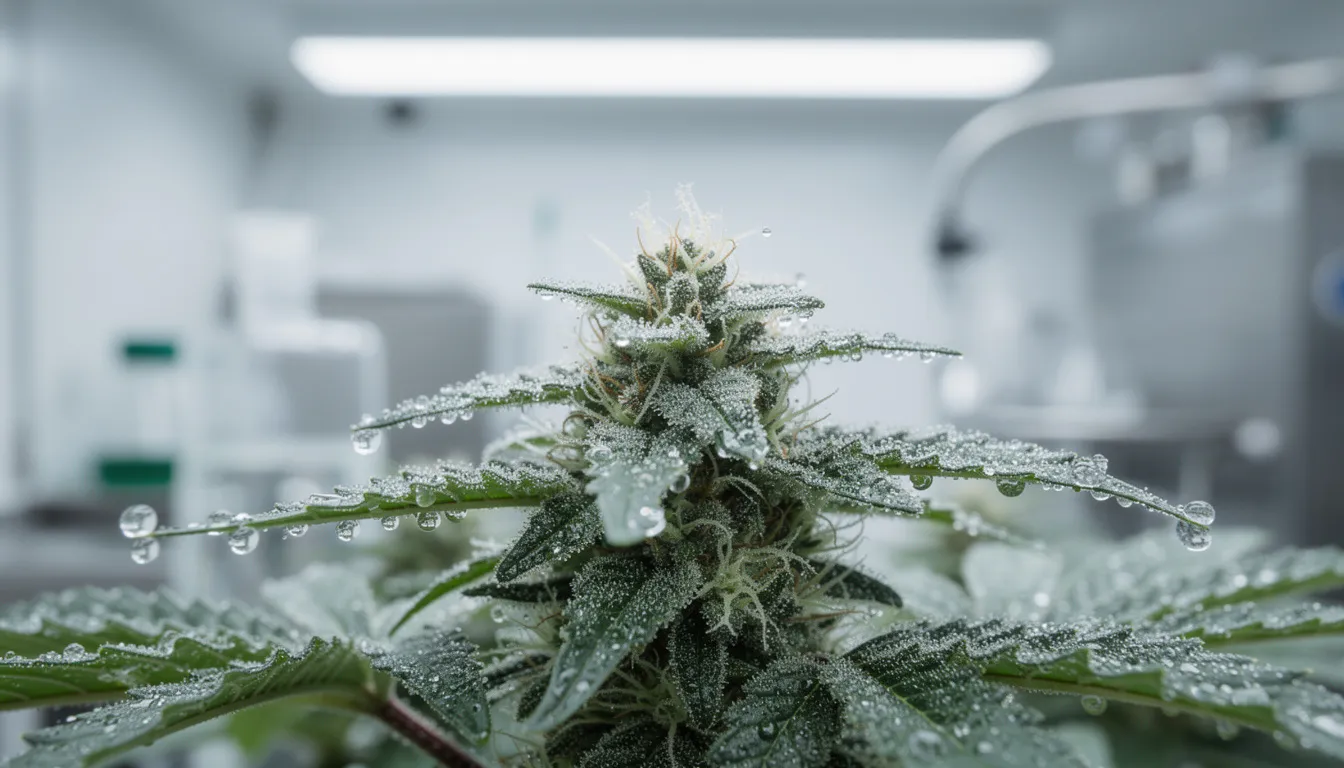
The world of cannabinoids is evolving rapidly. While THC and CBD have long since entered the mainstream, new compounds are constantly emerging, fascinating consumers and researchers alike. THCB is one of these novel substances – and it raises many questions.
This comprehensive guide tells you everything you need to know about tetrahydrocannabutol: from its chemical structure and production to legal aspects and practical application advice.
What is THCB? (Quick answer for those in a hurry)
THCB (tetrahydrocannabutol) is a rare, psychoactive phytocannabinoid structurally closely related to delta-9 THC. It was first clearly characterized in 2019 by an Italian research team, although chemist Roger Adams had already described the compound in the laboratory in 1942.
The most important facts at a glance: CBD and driving: Allowed or forbidden?
-
THCB naturally occurs only in trace amounts (less than 1%) in the cannabis plant.
-
For commercial THCB products, it is almost always produced semi-synthetically from CBD.
-
Many users describe the psychoactive effect as stronger than that of classic THC.
-
Legal gray area in Germany and Europe – no explicit mention in the German Narcotics Act (BtMG).
-
Available as a vape, gummy bears, distillate, or oil in the online shop. Learn more about a New cannabinoids like DNT9 are also causing a stir.
Important: Research on THCB is still very new (since 2019). All information on effects, benefits, and risks is preliminary and largely based on animal studies and anecdotal reports.
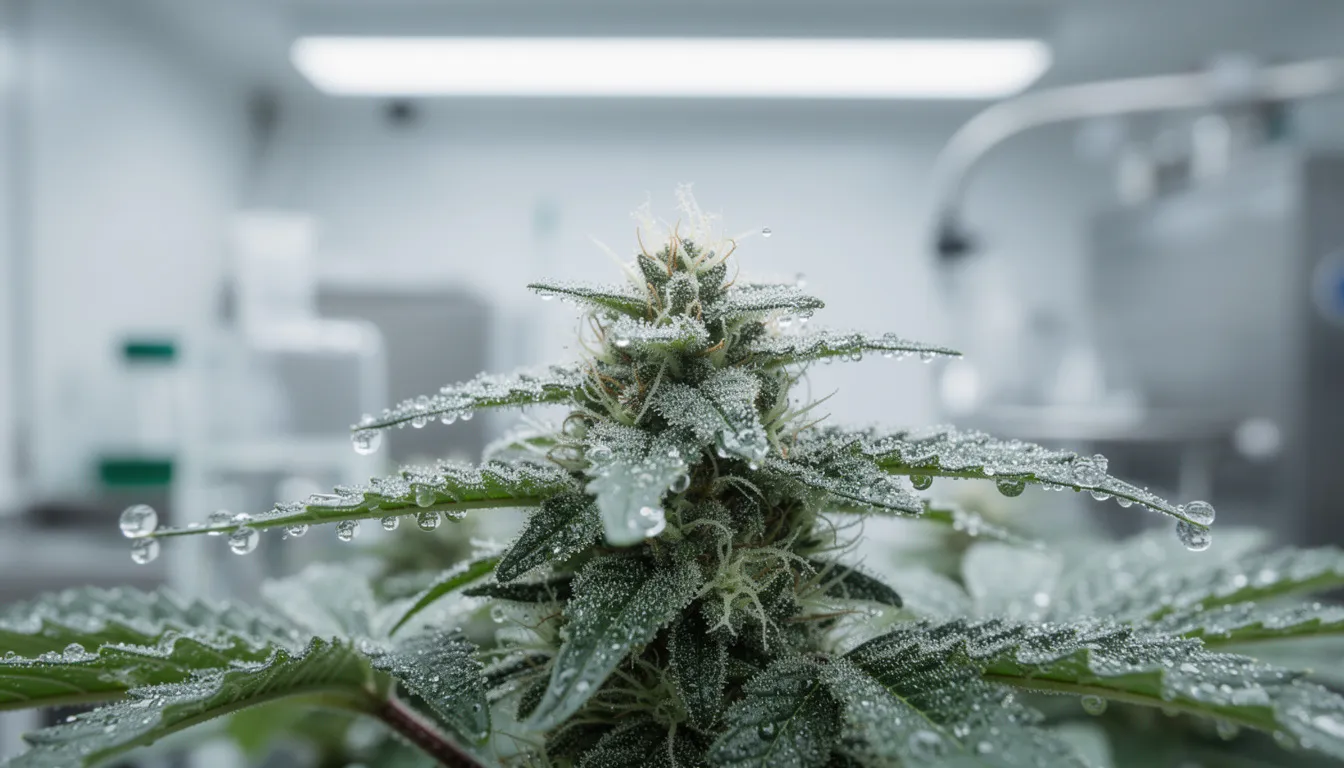
Chemical structure of THCB
THCB is a homolog of delta-9-tetrahydrocannabinol – meaning it is a very similar molecule with a slightly modified side chain. This seemingly small modification, however, has a significant impact on the compound's properties.
The crucial difference lies in the butyl side chain: While Delta 9 Tetrahydrocannabutol has a butyl side chain with four carbon atoms (C4H9), classic THC has a pentyl side chain with five carbon atoms.
Overview of structural differences:
|
Characteristic |
THCB (δ9 THC Butyl) |
Delta-9-THC |
THCP |
|---|---|---|---|
|
Side chain length |
4 carbons (butyl) |
5 carbons (pentyl) |
7 carbons (heptyl) |
|
Sum formula |
C20H28O2 |
C21H30O2 |
C23H34O2 |
|
Alternative name |
δ9 Tetrahydrocannabinol C4, δ9 THC C4 |
Δ9-THC |
Δ9-THCP |
|
Relative CB1 affinity |
High |
Reference value |
Very high |
This shortened side chain directly influences how the molecule binds to cannabinoid receptors in the endocannabinoid system. Scientists have found that THCB has a particularly high affinity for CB1 receptors – with a Ki value of approximately 15 nM, indicating strong binding.
Production of THCB
Since THCB is usually present in cannabis plants at levels below 1%, direct extraction from flowers is not economically viable for the industry. The Italian researchers used the medical strain FM2 for their discoveries, which naturally has somewhat higher concentrations – however, these amounts are still insufficient for commercial production.
This is how THCB is produced for the market:
-
Source material: Manufacturers predominantly use CBD isolate derived from hemp as a base.
-
Butylresorcinol as a building block: A resorcinol derivative with a C4 side chain serves as the basic chemical building block.
-
Terpenylation: A terpene fragment is coupled to the resorcinol scaffold to build the complete THCB molecule.
-
No chain extension: No additional carbon atoms are attached to existing THC – instead, an independent molecule is synthesized.
-
Purification and distillation: The final product undergoes multiple purification processes to achieve high levels of purity for vapes and edibles.
The production process differs depending on the purpose:
-
Research synthesis: Small quantities of the highest purity for scientific research
-
Commercial production: Larger quantities for vapes, edibles and distillates, where third-party laboratory testing should ensure quality.
Effects of THCB on body and mind
Like other psychoactive cannabinoids, THC-B binds to the receptors of the endocannabinoid system: CB1 (primarily in the brain and central nervous system) and CB2 receptors (mainly in the immune system and peripheral tissues). This interaction triggers both psychoactive and potentially therapeutic effects.

What animal experiments suggest (Italian studies from 2019 onwards):
-
Analgesic (pain-relieving) effect in the formalin mouse model
-
Anti-inflammatory properties
-
Antispasmodic effects, similar to those of Delta-9-THC
-
High binding affinity: Ki value of 15 nM at CB1, 51 nM at CB2
Typical subjective reports from consumers:
-
Euphoria and elevated mood
-
Deep relaxation without excessive sedation
-
Slightly increased creativity
-
Partially increased focus and concentration
-
Occasionally has a body-focused effect.
Many people report that they find THCB to be "clearer-headed" than classic THC – less sedating, but significantly more potent. The experience is often described as suitable for daytime use, provided the dose is kept low.
Important NOTE: Clinical human studies with defined doses, placebo control, and long-term follow-up are currently largely lacking. All statements are based on preliminary studies, animal models, or anecdotal reports.
Possible side effects and risks
As a potent, psychoactive cannabinoid, THCB carries essentially the same risks as delta-9-THC or other powerful derivatives. Its higher CB1 receptor affinity can even amplify these risks.
Common short-term side effects:
-
Dry mouth (“cottonmouth”, as it is often called) THC (occurs)
-
Red or irritated eyes
-
Increased pulse and heart rate
-
Mild dizziness
-
Coordination disorders
Psychological side effects:
-
Anxiety and inner restlessness
-
Paranoia, especially at high doses
-
Increased effects in sensitive individuals
-
Increased risk in individuals with pre-existing mental health conditions (e.g., anxiety disorder, depression)
Take extra care with edibles:
The potency of THCB, combined with the slow onset of effects in edibles like gummy bears, can easily lead to overdoses. The golden rule is: "Start low, go slow"—begin with very low doses (e.g., 2–5 mg) and wait at least 60–90 minutes for the full effects.
Important warnings:
-
No driving or operating machinery under the influence
-
Special caution is advised in cases of cardiovascular disease.
-
If you are on long-term medication or have a history of psychiatric illness: seek medical advice.
-
Do not use during pregnancy or breastfeeding.
THCB compared to THC, THCP, THCV & HHC
To properly understand THCB, it's helpful to compare it to related compounds from the "THC family." The key differences lie in the length of the side chain—and therefore in potency, duration of action, and subjective experience.
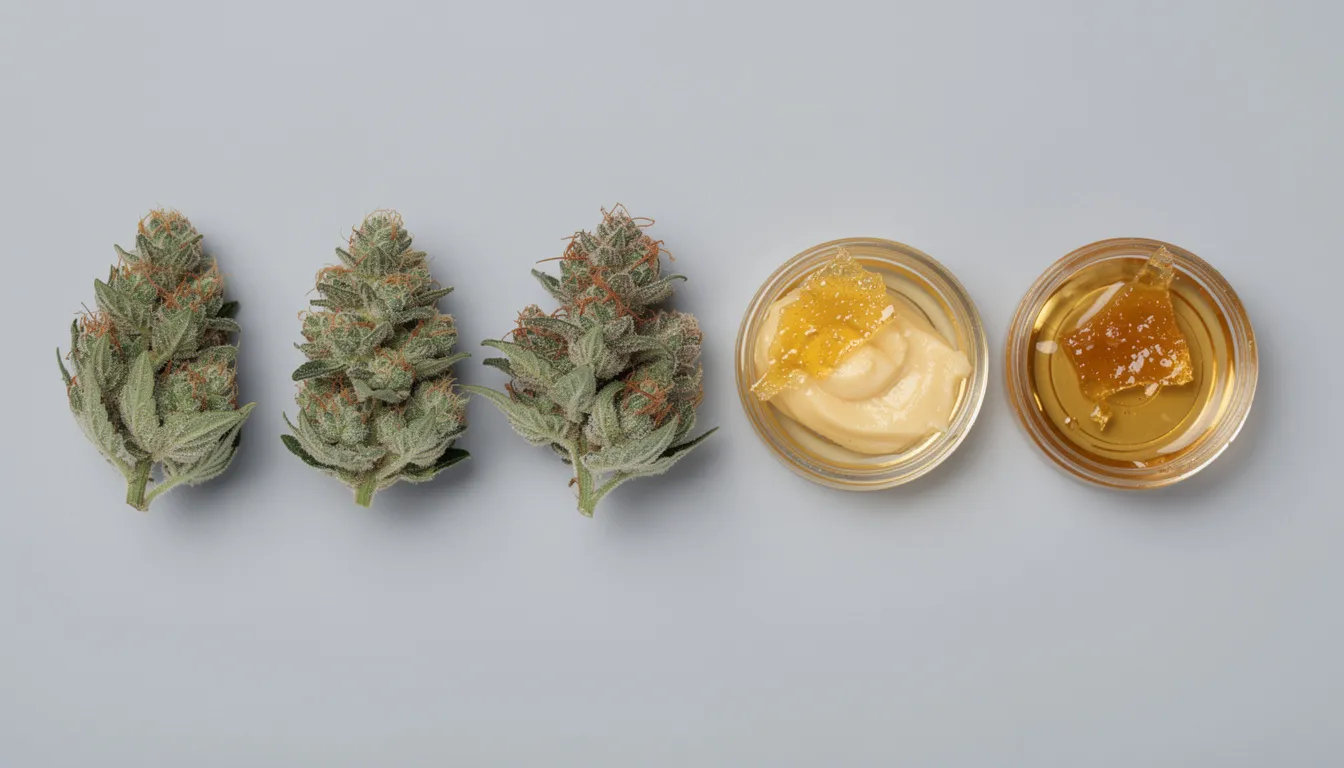
THCB vs. Delta-9-THC
|
aspect |
THCB |
Delta-9-THC |
|---|---|---|
|
Side chain |
Butyl (C4) |
Pentyl (C5) |
|
CB1 bond |
Stronger |
Reference value |
|
Estimated potency |
1.5–2× THC |
Baseline |
|
Effect profile |
Clearer, less sedating |
Classic High |
|
State of research |
Very limited (since 2019) |
Extensively researched |
|
Legal status |
Grey area |
In many countries it is regulated |
THCB vs. THCP
-
THCP: Heptyl side chain (C7), animal studies suggest a 10–30 times higher CB1 affinity to THC
-
Very intense high, more suitable for experienced users.
-
THCB: Moderate to high potency, feels like it lies between THC and THCP.
-
Easier to dose, less “overwhelming” for most users
THCB vs. THCV
-
THCV: Shorter propyl side chain (C3)
-
At low doses, THCV can partially block CB1 (anti-high effect).
-
In high doses it is itself psychoactive, often described as stimulating.
-
THCB: Consistently agonistic at the CB1 receptor
-
Pronounced psychoactive effect, rather classic “THC-like”
THCB vs. HHC
-
HHC: Hydrogenated THC variant with added hydrogen
-
Approximately 70–80% of the THC potency, perceived by many users as “softer”.
-
Generally physical and relaxing
-
THCB: Significantly stronger, more of a head high
-
Depending on the user, less fatigue than with HHC or Delta-9-THC.
THCB vs. THCH and THCJD
Besides the more well-known compounds, there are other cannabinoids in the spectrum:
-
THCH (Tetrahydrocannihexol, C6): Invigorating effect on mood and focus
-
THCJD: Even less researched, it is offered as a combination in some products.
THCB Products: Shapes, Quality & Application
Since around 2022/2023, THCB has increasingly appeared in European online shops – partly as a reaction to bans on HHC, HHCO, and potent THCP products in certain countries. Production and distribution are often handled by specialized brands.
Typical product forms:
-
Disposable vapes and cartridges: Often 1 ml cartridges containing 70–90% THCB distillate
-
Edibles: Gummy bears or chocolate bars with defined mg amounts (e.g. 5–25 mg per piece)
-
Enriched flowers: CBD flowers with sprayed-on THCB distillate
-
Oils and tinctures: Dropper bottles for sublingual application
Quality features you should look out for:
|
criterion |
What should you pay attention to? |
|---|---|
|
Origin |
EU- or US-based manufacturers with a transparent website |
|
Laboratory analyses |
Current COAs (Certificates of Analysis) for content and pollutants |
|
Third-party laboratory tests |
Independent testing, not just manufacturer specifications |
|
Ingredients list |
Complete list of all cannabinoids and carrier substances |
|
Customer reviews |
Check reviews from other buyers |
Practical dosage instructions:
-
Edibles: Start with 2–5 mg, wait at least 60–90 minutes.
-
Vapes: 1-2 puffs, then a 15-20 minute break
-
Take into account your individual tolerance and prior experience.
-
For mixed products (THCB + Delta-8, THCP or HHC): Dose even more carefully.
A notice: Many products contain combinations of different cannabinoids. These mixtures increase the risk of unpredictable combined effects. Check the complete product information before adding anything to your cart – a discount should never come at the expense of safety.
Legal status of THCB (Germany, EU & USA)
THCB is not explicitly mentioned in the law in many countries. However, due to its origin in cannabis and its psychoactive effects, it can be assessed similarly to THC – the situation is complex and dynamic.
Germany
-
THCB is listed in the Narcotics Act (BtMG) as of early 2026. not listed by name
-
Due to its structural similarity to THC, authorities could classify it as a THC analogue.
-
The assessment is often made on a case-by-case basis, taking into account the analogous rules.
-
The cannabis law (partial legalization) that came into force in April 2024 refers to THC and cannabis flowers – not to novel, highly concentrated derivatives such as THCB.
EU in general
-
There is no uniform EU-wide THCB law.
-
Many states are basing their decisions on existing THC regulations.
-
“New psychoactive substances” are subject to blanket controls in some countries.
-
National legislation (e.g., Austria, France, Italy, Czech Republic) must be checked.
-
The rules changed several times between 2023 and 2025.
USA
-
Following the 2018 Farm Bill: Hemp derivatives with <0.3% Delta-9-THC are legal at the federal level
-
Prerequisite: Production from certified industrial hemp
-
But: Several states have introduced independent restrictions since 2021/2022.
-
Delta-8-THC, THCP, HHC and similar compounds are banned in some states.
-
THCB may fall under these restrictions
Important for all readers: The legal situation is dynamic. Always check current national laws and, where applicable, case law regarding "new cannabinoids." This article does not replace legal advice. If you have any questions, consult a lawyer specializing in this area or refer to official government websites. You can also subscribe to specialized information portals via email for updates.
THCB and drug tests
Standard drug tests (urine, blood, saliva) generally target THC metabolites, not specifically THCB. Nevertheless, there is a significant risk of positive test results.
What you should know:
-
The structural similarity of THCB to THC and other Cannabinoids This makes it very likely that degradation products will be detected as “THC-positive” in many test systems.
-
Scientific data on specific detection windows and cut-off values for THCB are currently limited.
-
Metabolite profiling research has only existed since 2019.
-
Anything that involves professional or legal consequences poses a security risk.
Practical recommendation:
Individuals subject to professional or legal drug tests (drivers, pilots, certain authorities, those on probation) should avoid THCB unless they test positive. Don't riskTHC test results. The results of a test can have significant consequences – the area is still too under-researched to make reliable statements about detectability.
Current research and future perspectives
Since its structural characterization by Italian researchers in 2019, THCB has received increasing attention in the scientific literature. However, the majority of available data comes from animal models and in vitro studies.
Key research areas:
|
Area |
State of research |
|---|---|
|
Pharmacodynamics |
Binding strength to CB1/CB2 characterized; comparison to THC and THCP in preliminary studies |
|
Pharmacokinetics |
Absorption, distribution, metabolism in humans: hardly any data available |
|
Therapeutic potential |
Pain, inflammation, seizures – promising results in animal models |
|
Long-term consequences |
No reliable data available |
Limitations of previous studies:
-
Small sample sizes
-
Short observation periods
-
Predominantly animal models (e.g., mouse pain models)
-
No standardized dosage protocols for humans
Possible future developments:
-
Standardized THCB medications (similar to nabiximols/“Sativex” for THC/CBD) if efficacy and safety are demonstrated in a series of human studies.
-
Better regulation and quality standards for novel cannabinoids in the EU and worldwide
-
Integration into the therapeutic spectrum of cannabinoid medicine
-
Clarification of its role in the entourage effect through combination with other cannabinoids
The discoveries of recent years have shown just how diverse the world of cannabinoids is. Scientists in this field are continuously working to expand information and knowledge about compounds like THCB – a veritable journey of discovery into the potential of the cannabis plant.

Conclusion: Who is THCB interesting for – and what should you pay attention to?
THCB is a relatively new, potent cannabinoid with a THC-like structure, stronger CB1 binding, and largely unexplored long-term effects. Compared to other compounds, it positions itself as a "middle option"—more potent than classic THC, but more accessible than the extreme THCP.
THCB is primarily suitable for experienced cannabinoid users who are familiar with the effects of THC and aware of its higher potency and the legal gray area surrounding it. Beginners or people with pre-existing health conditions should exercise particular caution.
Specific recommendations for action:
-
✅ Only use lab-tested products from reputable manufacturers – pay attention to current COAs.
-
✅ Start with very low doses, especially with edibles (2–5 mg)
-
✅ Check the legal situation in your own country beforehand – navigating the legislation is complex.
-
✅ If you have health problems or are taking long-term medication, seek medical advice beforehand.
-
✅ Use mixed products with caution and carefully study the ingredients.
-
✅ No participation in road traffic under the influence
While THCB offers exciting therapeutic perspectives – from pain relief to anti-inflammatory activities – it should currently be considered primarily an experimental drug until robust human studies are available.
Cannabinoid research is developing rapidly. What is uncharted territory today could be better understood tomorrow. Stay informed, act responsibly – and remember: the magnitude of your experience depends not on the dose, but on your knowledge and caution.
Do you have questions about THCB or other cannabinoids? Share your experiences in the comments or sign up for our newsletter to stay up-to-date on new developments in cannabinoid research.
Share:
THCA: Effects, differences to THC, legality & use (as of 2025)
HHCP: Effects, risks and legal status of the potent cannabinoid