
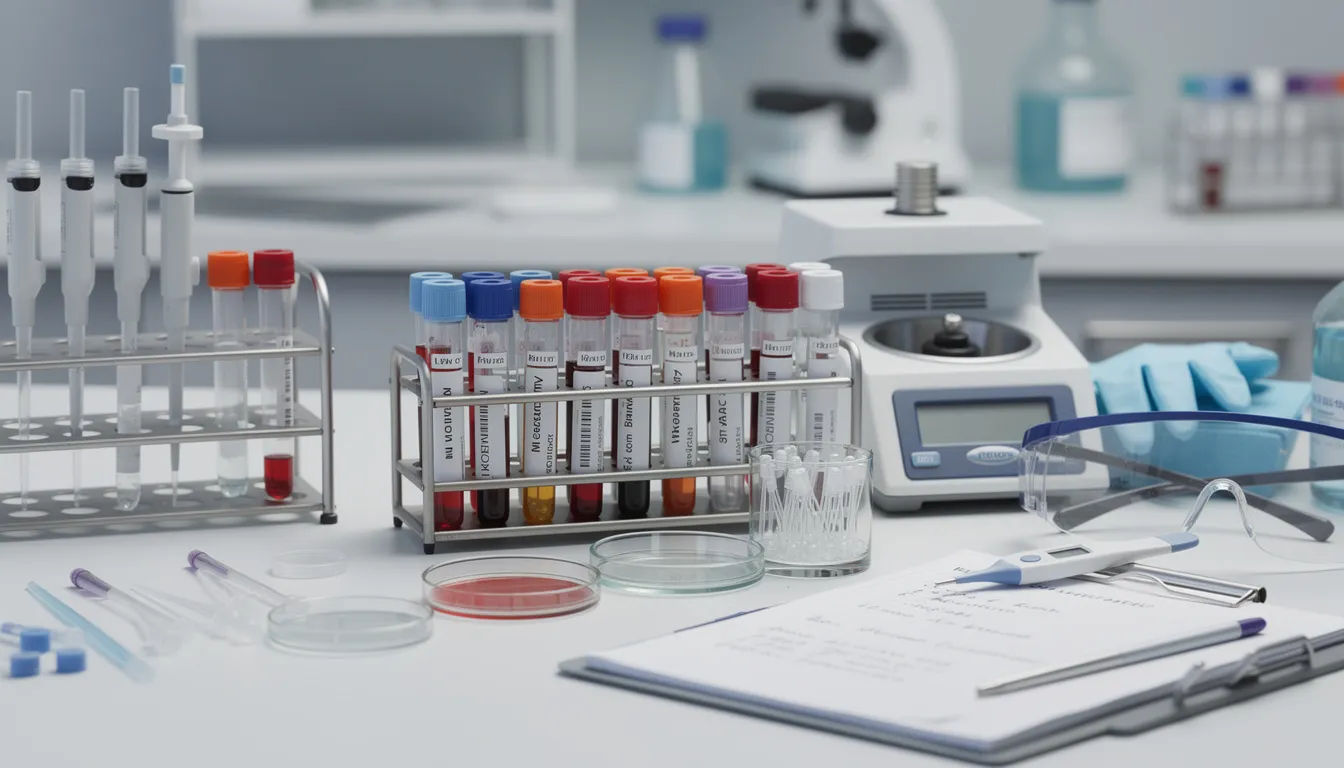
THC level – quick answer for readers in a hurry
The THC level describes the concentration of tetrahydrocannabinol in the blood serum, measured in nanograms per milliliter (ng/ml). This value is crucial for assessing fitness to drive and plays a central role in police checks.
-
After a single use, the active THC level in the blood typically falls below the detection limit within 6–24 hours.
-
Occasional consumption (1-2 times per week) can leave measurable levels in the serum for up to about 3 days.
-
With regular, intensive cannabis use, traces of THC or THC-COOH remain detectable for several weeks.
In Germany, a new limit value has been in effect since summer 2024. 3.5 ng/ml THC in blood serum as a threshold for unfitness to drive. Previously, the brand of 1.0 ng/ml used as a guideline. This amendment to the Consumer Cannabis Act takes into account current scientific findings on the pharmacology of cannabinoids.
A measurable THC level does not automatically mean that a person is currently intoxicated. Its detectability in the body often persists for days or even weeks after the psychoactive effects have subsided.
What exactly is the THC value?
The THC level indicates how much active delta-9-tetrahydrocannabinol is present in the blood serum at the time of blood collection. Laboratories in Germany typically determine this value from a blood sample, analyzing the serum (the liquid part of the blood without blood cells) – not whole blood. The unit is always ng/ml, i.e., nanograms per milliliter.
-
Definition: Concentration of active THC (Δ9-THC) in the blood serum
-
Unit: ng/ml (nanograms per milliliter)
-
Active THC (Δ9-THC): The psychoactive substance responsible for the intoxicating effect
-
THC-COOH: An inactive breakdown product that remains detectable for a longer period but has no intoxicating effect.
For driver's license matters and the assessment of fitness to drive, the active THC level is the primary factor. Breakdown products such as THC-COOH are relevant for long-term detection, for example in medical-psychological assessments (MPUs) or abstinence tests.
How long is THC detectable in the blood?
The question of detectability is of enormous importance to many people – be it during a police check, an occupational health examination, or before a planned medical-psychological assessment (MPU). The period for which THC remains detectable in the blood depends largely on the consumption pattern.
Individual factors significantly influence the detection time: metabolic rate, body fat percentage, type of product consumed (e.g., flower with 10–20% THC content versus highly concentrated hash oil), and the sensitivity of the test used all play a role. Unlike hair analysis, blood primarily reflects current or recent consumption.
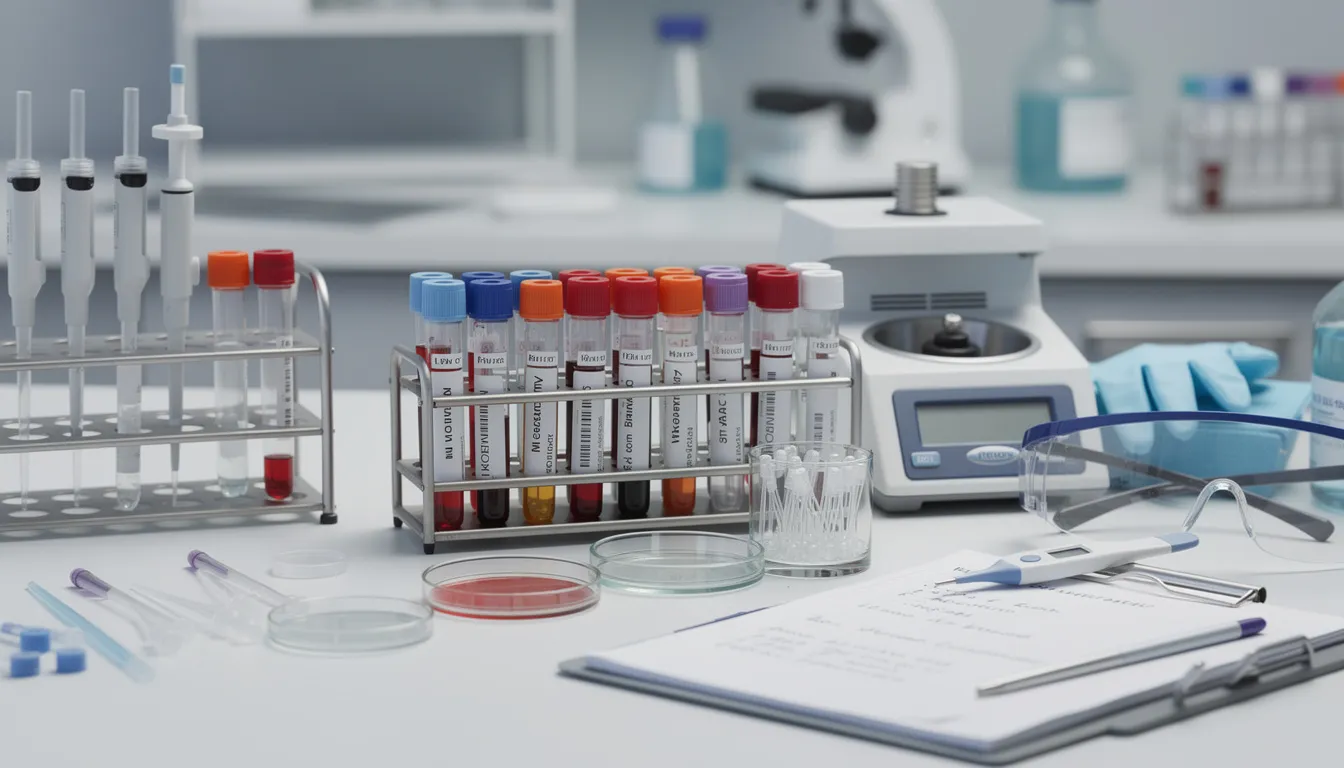
One-time consumption
After smoking a single joint containing approximately 0.3–0.5 g of flower (about 15–20% THC), the active THC level in the serum typically falls below 1 ng/ml within 6–24 hours. Immediately after smoking, very high peak values in the double-digit ng/ml range can be measured, but these then drop rapidly.
In healthy, normal-weight adults, levels of cannabis are often low or even undetectable the morning after evening consumption. However, this is not guaranteed. With oral ingestion – for example, through cannabis brownies or CBD/THC oils – detection may be significantly prolonged, as absorption and elimination are slower.
Occasional consumption
Occasional use is defined as consumption approximately 1–2 times per week or less frequently, without daily use. With this pattern, the active THC level in the blood can often remain above sensitive detection limits for up to 48–72 hours after the last use.
The breakdown products (THC-COOH) are detectable for significantly longer, but play a minor role in acute impairment of driving ability. Short breaks from consumption of only one to two days are not always sufficient for occasional cannabis users to guarantee negative test results.
Sustained and intensive consumption
Regular consumption means daily or multiple daily intake over weeks or months, often with high-potency strains (20% THC and more). With this consumption pattern, THC is stored in fatty tissue and can slowly re-enter the bloodstream.
Studies show that active THC levels above 1 ng/ml can still occur in heavy, long-term users even after more than a week of abstinence. For a planned medical-psychological assessment (MPU) or driving test, several weeks of abstinence – typically 4–6 weeks or longer – are often required in cases of heavy cannabis use to achieve unremarkable levels.
THC breakdown in the body and THC breakdown curve
The breakdown of delta-9-THC in the body is a multi-stage process. The liver first converts active THC into 11-OH-THC (also psychoactive) and then into THC-COOH (inactive). This breakdown occurs over several half-lives.
The typical elimination curve shows a characteristic pattern: In the first 4–6 hours after consumption, the THC level drops sharply (steep phase). Afterward, the elimination slows considerably and remains flat for several days. THC-COOH remains detectable in the blood and urine for days to weeks, even though the intoxicating effect has long since worn off.
High initial doses – for example, edibles containing 30–50 mg of THC – significantly prolong the overall elimination time. The amount and method of consumption therefore directly influence the duration until the THC level falls below the relevant legal limits.
THC levels in blood and urine: differences and typical timeframes
Besides blood, urine is a frequently used sample material in police checks, occupational health examinations, and sports. Detection times vary considerably:
Blood (active THC):
-
Single use: detectable for hours to about 1 day
-
Occasional consumption: up to 2–3 days
-
Continuous use: days to several weeks
Urine (THC-COOH):
-
Single use: a few days (approx. 2–4 days)
-
Occasional use: approximately 1–2 weeks
-
Prolonged use: several weeks, sometimes up to 6 weeks or longer
Urine tests primarily measure the non-psychoactive THC-COOH. Therefore, a positive urine test does not reliably indicate current unfitness to drive. Rapid tests (immunoassays) can be less accurate than laboratory analyses. Threshold values are often set in ng/ml or ng/g creatinine to detect diluted samples.
1 joint = how many ng/ml? – typical THC levels after consumption
The THC level after smoking a joint depends heavily on several factors: the THC content of the flower (e.g., 10% versus 25%), the amount consumed, and the inhalation technique. Therefore, making general statements is difficult.
As a rough guide: Shortly after smoking, peak serum levels of approximately 5–50 ng/ml can occur. In many users, the level drops below 3.5 ng/ml after 3–6 hours. Scientific studies from controlled settings with defined doses (e.g., 6–25 mg THC) show a large individual variation in ng/ml values.
Example calculation:
-
0.4 g of flower with 18% THC = approx. 72 mg total THC in the plant
-
Due to incomplete combustion and inhalation, only a fraction (approx. 20–40%) actually enters the bloodstream.
-
The resulting dose is therefore approximately 15–30 mg of absorbed THC.
A single lab result (e.g., 4 ng/ml) cannot be used to accurately calculate the number of joints smoked or the strain of marijuana used. The number in the lab report is always just a snapshot in time.

THC levels, limits and driver's licenses in Germany
For years, the THC level in the blood has been the central criterion for assessing fitness to drive. With the amendment to the Road Traffic Act as part of the partial legalization, a new THC limit was introduced in 2024.
Current legal situation 2024:
-
New limit: 3.5 ng/ml THC in blood serum
-
It was introduced in summer 2024 (June/August)
-
Previously, 1.0 ng/ml was often considered a practical guideline.
Special regulations:
-
Novice drivers (probationary period) and persons under 21 years of age are subject to sometimes stricter regulations.
-
For these groups, a de facto zero tolerance or the previous 1.0 ng/ml threshold may apply.
-
Mixing alcohol and other alcoholic substances leads to more severe consequences.
Typical consequences of exceeding the limit:
-
Fines start at approximately €500 (for first offenses)
-
One-month driving ban
-
Points in Flensburg
-
Repeat offenses: higher fines (up to €1,500 and more)
-
Possible order for a medical-psychological assessment (MPU)
Even patients who consume cannabis for medical reasons under the Medical Cannabis Act must expect consequences if they exceed the legal limits and exhibit demonstrable impairment. A doctor's prescription does not automatically exempt them from traffic regulations.
THC level and MPU
Repeated irregularities or very high THC levels in the blood can lead to a medical-psychological assessment (MPU). The driver's license authority orders this if there are doubts about the individual's fitness to drive.
For a positive MPU (Medical-Psychological Assessment), the assessment centers often require:
-
Several months of documented abstinence (typically 6–12 months)
-
Regular hair or urine screenings as proof
-
Participation in a traffic psychology consultation
Laboratories typically look for THC-COOH in urine or hair during these screenings and use clear cut-off values. If a medical-psychological assessment (MPU) is imminent, it is advisable to seek medical and traffic psychology advice early on. The cost of an MPU can range from several hundred euros to several hundred euros, depending on the specific issues.
Detection methods: How police and medical professionals measure THC levels
The detection of cannabis in the body typically occurs in several stages:
-
Visual inspection and fitness-to-drive check: Police officers look for external signs such as reddened eyes, slowed reactions, or the smell of cannabis.
-
Preliminary test (saliva/urine): Voluntary rapid test as first screening
-
Blood draw: In the case of a positive preliminary test or reasonable suspicion; usually requires a court order.
The legally binding THC level in blood serum is determined using chromatographic methods. The most important methods are:
-
GC/MS: Gas chromatography with mass spectrometry
-
LC-MS/MS: Liquid chromatography-tandem mass spectrometry
-
HPLC: High-performance liquid chromatography
Hair analysis serves as long-term evidence: A hair length of 6 cm represents approximately 6 months of substance use. This method is particularly relevant for medical-psychological assessments (MPUs) and proof of abstinence.
Those affected should inform themselves about their rights. On-site urine tests are generally voluntary. A blood test without consent generally requires a court order – exceptions apply in cases of imminent danger.
Rapid tests for THC in saliva and urine
Common rapid tests have a defined cut-off value below which the test is considered negative. For urine tests, this is often 25–50 ng/ml THC-COOH.
Typical detection times for rapid tests:
-
After a single use: usually positive for 1–3 days.
-
With prolonged use: positive results for up to several weeks
A positive rapid test alone is not a legally valid basis for driving license measures. A blood test with laboratory analysis is required for that. Factors such as highly diluted urine samples can distort the test result. Laboratories check for this by measuring the creatinine level – if it is too low, the sample is considered manipulated or invalid.
THC content of cannabis products and its effect on THC levels
The percentage THC content of a cannabis product indicates how many milligrams of THC are contained per gram of plant material. A flower with 20% THC contains 200 mg of THC per gram. This content indirectly influences the subsequent blood test result.
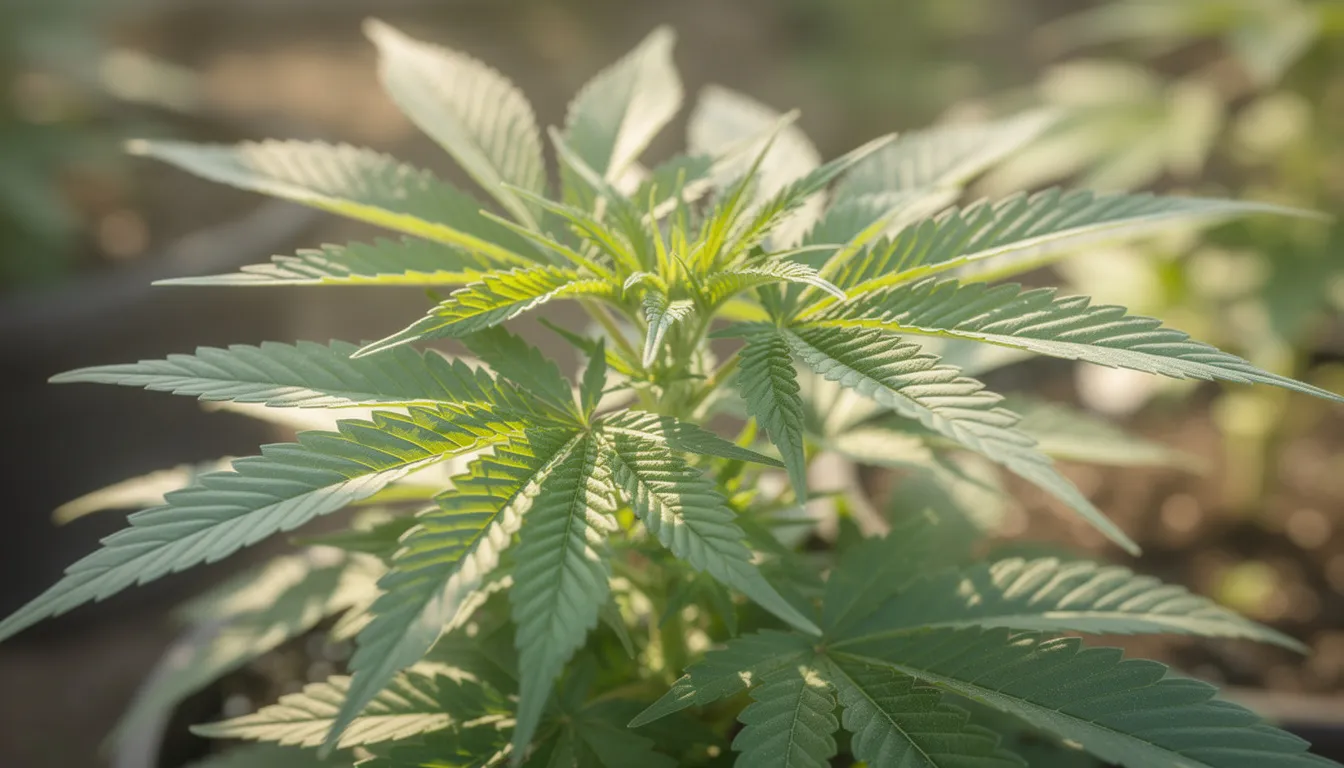
Typical THC content ranges:
-
Conventional flowers : 5–12% THC
-
High-potency strains: 15–25% THC
-
Hashish: 10–30% THC
-
Extracts and oils: up to 70–90% THC
The ratio of THC to CBD (e.g., 18:1 versus 8:8) strongly influences the subjective effect. However, the THC blood level depends primarily on the absolute THC input, not on the ratio to other cannabinoids.
Raw plant material contains primarily THCA (tetrahydrocannabinolic acid) before decarboxylation. Only through heating – during smoking, vaporizing, or baking – is THCA converted into active delta-9-THC. This step is crucial in the production of edibles.
What THC percentages don't reveal
Doubling the THC percentage (e.g., from 10 to 20%) does not automatically mean a doubling of the subjective effect or the resulting blood level. The pharmacology is more complex.
The following factors help determine the actual THC level in the blood:
-
Individual tolerance through regular consumption
-
Method of consumption: Smoking, vaping, or oral ingestion
-
Accompanying substances such as terpenes and other cannabinoids
-
Pay attention to the inhalation technique
Laboratory information on packaging is for guidance only. In everyday use, it can vary depending on storage, processing, and consumption method. A packaging instruction alone cannot reliably determine whether a specific waiting time before driving is safe.
Health risks and responsibilities when dealing with THC levels
High and frequent THC levels in the blood are an indicator of heavy consumption. This can be associated with various health risks that should be understood.
Potential risks associated with intensive consumption:
-
Increased risk of cannabis addiction, especially with high-potency flowers
-
Possible worsening of existing mental illnesses (e.g. anxiety disorders, depression)
-
Impairment of concentration and reaction time
-
In adolescents: possible effects on brain development
Adolescents and young adults under about 25 years of age are particularly vulnerable because their brains are still developing. Studies show an increased risk of cannabis use disorder (CUD) in this age group.
Medical cannabis under medical supervision is assessed differently. Here, dosage, strain choice, and accompanying medication are monitored. However, patients are still subject to regulations regarding fitness to drive – the health of other road users takes precedence.
Responsible handling means:
-
Strictly separate consumption and driving.
-
Seek medical advice if you are unsure.
-
Know the limit values and detection times
-
Seek professional advice if you have problematic consumer behavior.
FAQ: Frequently asked questions about THC levels
How long is THC detectable in urine? With occasional use, the detectable THC level lasts approximately 2–4 days; with regular, prolonged use, it can last up to 6 weeks or longer. The urine test measures the breakdown product THC-COOH, not active THC.
How high can my THC level while driving be? Since 2024, a limit of 3.5 ng/ml of THC in blood serum has been in effect in Germany. Stricter regulations may apply to novice drivers and those under 21.
How quickly does the THC level drop after smoking a joint? The value drops sharply in the first 4–6 hours. After a single joint, it is below 3.5 ng/ml after 6–12 hours in most people, and often below 1 ng/ml after 24 hours.
What is the difference between the 1.0 ng/ml and the 3.5 ng/ml limit values? In 2024, as part of the partial legalization of cannabis, the German Bundestag raised the limit from a de facto 1.0 ng/ml to 3.5 ng/ml. This takes into account scientific findings that low residual levels do not necessarily mean unfitness to drive.
Can exercise or drinking lots of water lower my THC levels faster? The effects are limited. Physical activity can theoretically release THC from fatty tissue, which can even temporarily increase blood levels. Drinking plenty of water dilutes urine but does not significantly affect serum levels. There is no reliable method for rapidly lowering THC levels.
Can I lose my driver's license because of a positive THC test in my urine? A positive urine test alone does not lead to the revocation of a driver's license. The decisive factor is the THC level in the blood, determined through laboratory analysis. The urine test serves only as a screening tool.
Where can I find help with problems related to cannabis? This article does not replace individual legal or health advice. For questions regarding mobility and driver's licenses, please consult a specialized lawyer. For health problems or suspected cannabis addiction, addiction counseling centers, general practitioners, or telephone helplines can provide assistance.
The THC level is more than just a number on a lab report. It has direct implications for your mobility, your driver's license, and potentially your health. While the new regulations introduced in 2024 offer more leeway for occasional cannabis users, they don't exempt anyone from the legal requirements. Responsibility in road traffic .
Anyone who consumes cannabis should be fully aware of the detection times and legal limits. Strictly separate consumption from driving – if in doubt, the safest course of action is to wait until the next day. If you have any uncertainties or legal issues, it's advisable to seek professional advice early on.
Share:
THC limit 2024: What drivers absolutely need to know now
HHC (Hexahydrocannabinol): Effects, risks and legal situation in Germany