
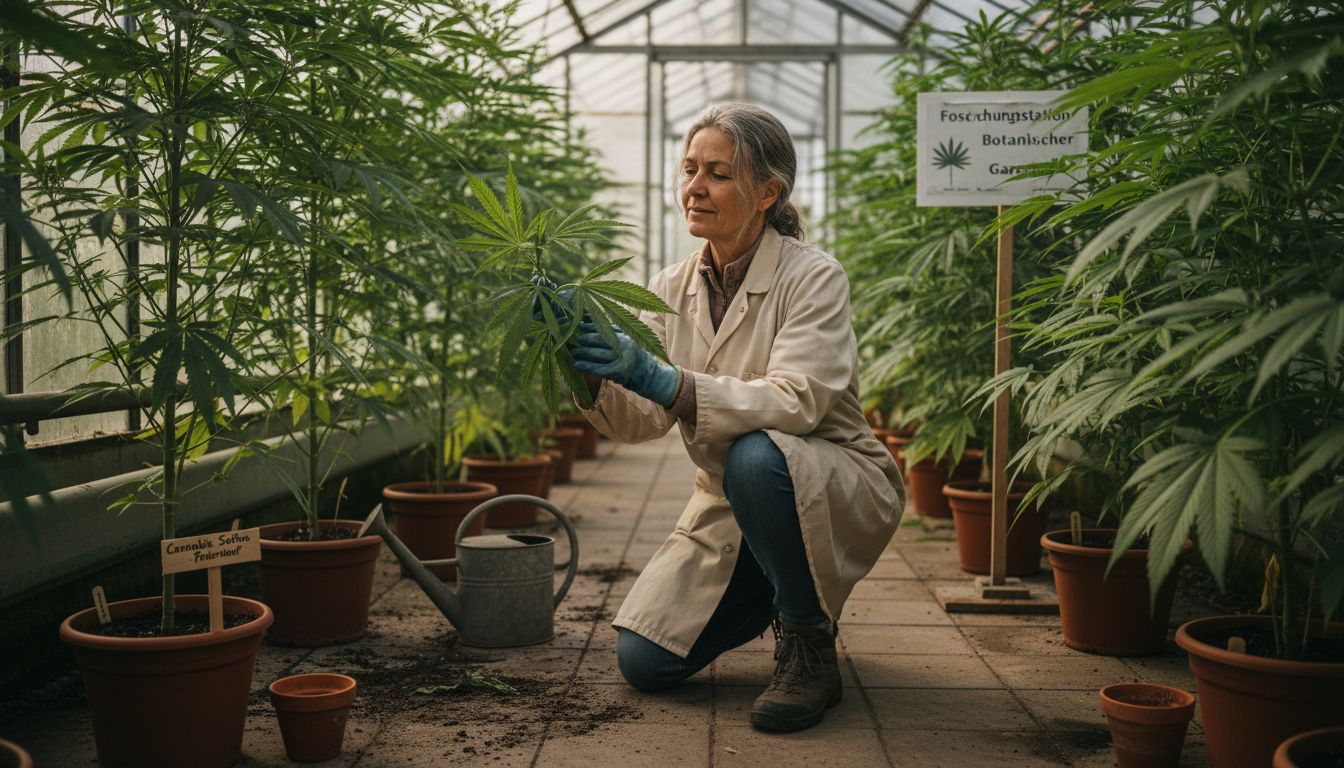
With over 113 different molecules, the cannabis plant is a true treasure trove of biodiversity. Many people are surprised by how powerfully phytocannabinoids like cannabidiol (CBD) can influence well-being. These natural compounds are the focus of current research and offer fascinating insights into modern health concepts. Whether for medical applications or as an ingredient in new lifestyle products, knowledge about phytocannabinoids helps you make informed decisions.
Table of contents
- Phytocannabinoids: What Are They
- Understanding the main types and biosynthesis
- Mechanisms of action in the endocannabinoid system
- Legal status in Germany/EU
- Applications, risks and dosage instructions
Key findings
| Point | Details |
|---|---|
| Phytocannabinoids | Natural compounds in the cannabis plant, comprising over 113 different cannabinoids. |
| Mechanism of action | They interact with the endocannabinoid system, which has an impact on various physiological processes. |
| biosynthesis | They arise through complex biochemical processes in trichomes, and their composition depends on various factors. |
| Legal status | The legal regulations concerning cannabinoids in Germany and the EU are variable and constantly evolving. |
Phytocannabinoids: What Are They
Phytocannabinoids are natural compounds found in cannabis plants like hemp, opening up a fascinating world of diverse active ingredients. Cannabidiol (CBD) is a particularly prominent example, capable of making up to 40% of the plant extract. These complex molecules interact directly with our endocannabinoid system and can influence a wide range of physiological processes.
The cannabis plant contains not only CBD, but over 113 different cannabinoids – an impressive biochemical diversity. Each of these molecules possesses unique properties and potential effects. Among the best-known, besides CBD, are tetrahydrocannabinol (THC), cannabinol (CBN), and cannabigerol (CBG). These natural compounds differ fundamentally in their molecular structure and their effects on the human body.
Scientists are intensively researching phytocannabinoids to understand their diverse therapeutic potential. They do not act in isolation, but often unfold their complex effects in combination with one another – the so-called “entourage effect.” This is what makes phytocannabinoids so exciting for medical applications and natural health concepts.
Understanding the main types and biosynthesis
Phytocannabinoids are produced in cannabis plants through complex biochemical processes that take place in specialized glands called trichomes. These microscopic structures produce a variety of different cannabinoids, the composition of which depends on factors such as genetics, growing conditions, and the plant's stage of maturity. The THCV article offers interesting insights into the diversity of these active compounds.
The main types of phytocannabinoids can be roughly divided into four categories:
- Neutralized cannabinoids : CBD, CBC
- Psychoactive cannabinoids : THC, CBN
- Non-psychoactive cannabinoids : CBG, THCV
- Rare cannabinoids : Delta-8-THC, CBL
During biosynthesis, cannabinoids undergo several conversion stages. The starting point is the geranyl pyrophosphate compound, which develops into the various end products via intermediates such as cannabigerol (CBG). This process is highly complex and is influenced by temperature, light, and genetic factors. Interestingly, cannabinoids can undergo further chemical changes during the ripening and drying of the plant, which significantly determines their final composition and effects.
Mechanisms of action in the endocannabinoid system
The endocannabinoid system is a complex biological network responsible for maintaining bodily homeostasis. It consists of two main receptors—CB1 and CB2—that function like locks and keys and are crucial for the effects of cannabinoids such as HHC-P . These receptors are located in various parts of the body and regulate processes such as pain perception, mood, appetite, and immune function.
The interaction between phytocannabinoids and the endocannabinoid system is highly complex. CB1 receptors are primarily concentrated in the central nervous system, while CB2 receptors are mainly found in the peripheral nervous system and immune system. This strategic distribution allows for differentiated effects, with different cannabinoids potentially triggering different physiological responses.
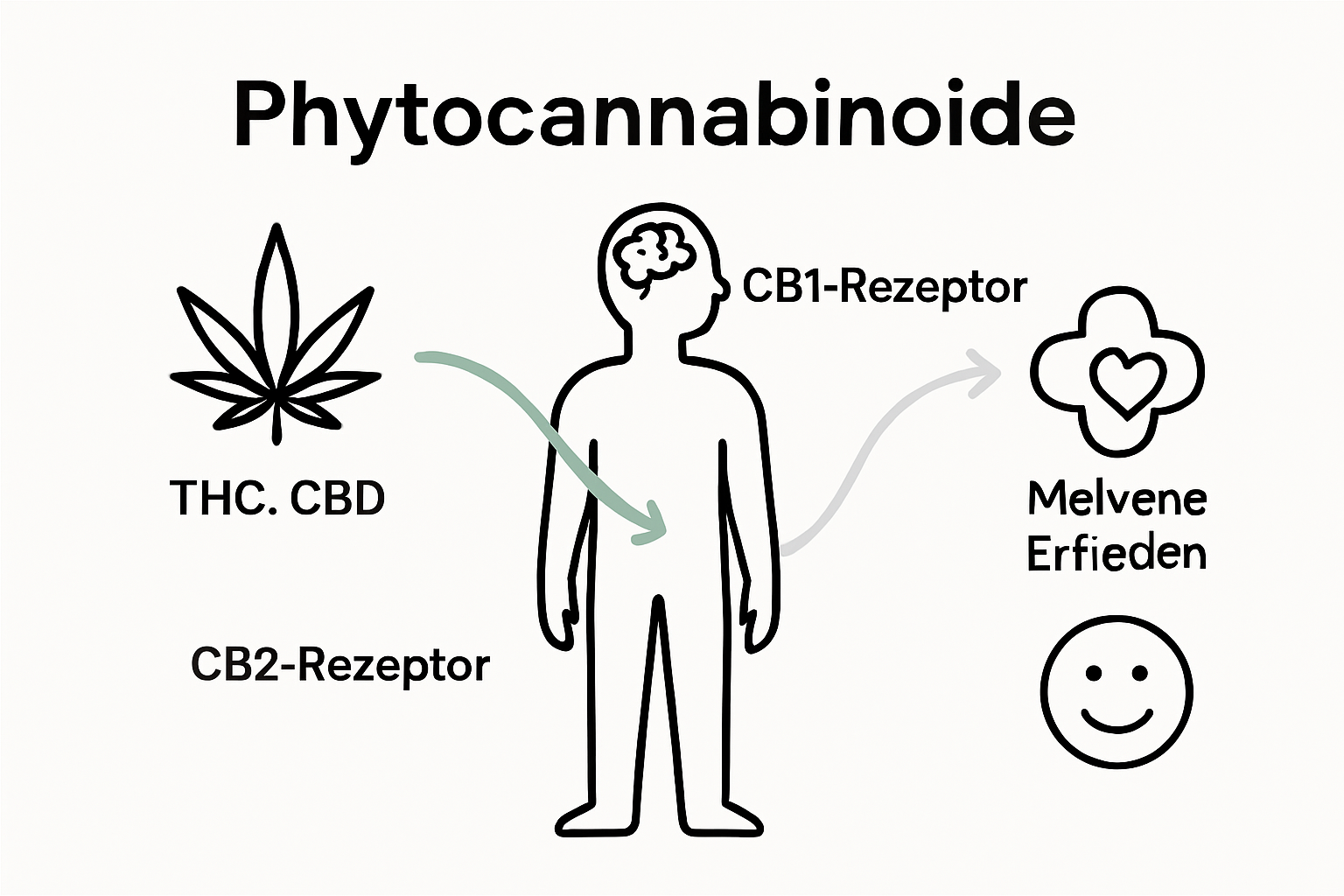
Each phytocannabinoid interacts uniquely with the endocannabinoid system. While THC binds directly to both receptors and produces psychoactive effects, CBD acts more subtly and modulates receptor activity indirectly. This nuanced interaction explains the diverse therapeutic potential and individually varying effects of cannabinoids.
Legal status in Germany/EU
Cannabis legislation in Germany is currently undergoing a significant transformation. Since April 2024, cannabis is no longer subject to the Narcotics Act , but is regulated by the new Medicinal Cannabis Act (MedCanG). This change marks a crucial turning point for cannabis users and the medical use of phytocannabinoids.
Consumers should be aware that the legal status varies depending on the cannabinoid. Cannabidiol (CBD), for example, is legal as long as it is derived from EU-certified industrial hemp and the THC content is below 0.2%. This allows its use in various products such as oils, cosmetics, and dietary supplements. However, other cannabinoids, such as THC, are subject to stricter regulations and are only available under certain medical conditions.
Different regulatory approaches exist within the European Union. While Germany pursues a progressive course, the laws vary considerably between member states. It is important that consumers always stay informed about the current legal regulations and are aware of the specific rules for each cannabinoid and its intended use.
Applications, risks and dosage instructions
Phytocannabinoids are used in various fields, from medical applications to supporting general well-being. It is important for consumers to understand the risks and safety aspects . Depending on individual constitution and the specific cannabinoid, effects and potential side effects vary considerably.
Dosage is crucial for safe use. Always start with low doses and increase gradually. Typical uses include:
- Stress reduction
- Pain management
- Improvement of sleep patterns
- Anti-inflammatory
- Support for relaxation
Caution is advised for certain risk groups. People with pre-existing conditions, pregnant women, individuals with psychiatric disorders or cardiovascular problems should only consume phytocannabinoids after consulting a doctor. Interactions with medications are possible and require careful individual assessment.
Consciously harnessing the natural power of phytocannabinoids
Phytocannabinoids play a central role in your well-being and have the potential to relieve pain, improve sleep, and reduce stress. However, choosing high-quality products is crucial to safely benefit from their diverse effects. At Weedforfriends, you'll find lab-tested premium cannabinoids that are individually tailored to your needs and deliver the full entourage effect.

Experience how natural, organically grown ingredients can support your mental balance. Take this opportunity to learn more about our comprehensive range of high-quality vapes, flowers, edibles, and CBD oils. Start your journey to greater balance and vitality today at Weedforfriends. Your path to natural relaxation begins here.
Frequently Asked Questions
What are phytocannabinoids?
Phytocannabinoids are natural compounds found in cannabis plants, such as cannabidiol (CBD) and tetrahydrocannabinol (THC). They interact with the endocannabinoid system of the human body and can influence various physiological processes.
How do phytocannabinoids work in the body?
Phytocannabinoids work by interacting with the endocannabinoid system, which regulates important functions such as pain perception, mood, and the immune system. They bind to specific receptors, which can trigger various physiological responses.
What types of phytocannabinoids are there?
There are four main types of phytocannabinoids: neutral cannabinoids (e.g., CBD, CBC), psychoactive cannabinoids (e.g., THC, CBN), non-psychoactive cannabinoids (e.g., CBG, THCV), and rare cannabinoids (e.g., Delta-8-THC, CBL). Each has different effects and properties.
What are the possible applications of phytocannabinoids?
Phytocannabinoids are used for various purposes, such as stress reduction, pain management, improved sleep, anti-inflammatory effects, and relaxation. However, their use should always be individualized and based on medical advice.
Recommendation
- CBG9: What is CBG9, its origins, effects, uses and buying recommendations – Weedforfriends
- CBG9 Effects: All about the new cannabis wonder – Weedforfriends
- CBG9 Effects: All about the new cannabis wonder – Weedforfriends
- THCA: Function, effects and differences to THC - What is tetrahydrocannabinolic acid? – Weedforfriends
Share:
THC-free cannabis: Enjoyment without the high in Germany
Carrier oils for CBD: Which effects and benefits really matter?