

Medical cannabis experiences: What patients will really report in 2025
Since the 2017 legal amendment, a comprehensive picture has emerged in Germany of how patients experience medical cannabis in everyday life. Thousands of personal accounts, registry data, and surveys paint a nuanced picture: For some, prescribed cannabis is a real relief, while for others it provides little relief or brings unwanted side effects.
In this article, we contextualize the real-life experiences of cannabis patients, examine current studies, and provide you with a practical overview of what you can expect. 2025 What can be expected – without false promises, but with concrete figures and honest assessments.
Key findings
-
Chronic pain is the dominant feature: Approximately 70–80% of all prescriptions for medical cannabis in Germany are for chronic pain conditions, followed by sleep disorders, spasticity in multiple sclerosis and ADHD.
-
Individual effects vary greatly: While roughly half to two-thirds of respondents in surveys report significant improvement, others experience only minor effects or bothersome side effects such as dizziness and fatigue.
-
Medical supervision is essential: The optimal strain (THC-dominant, CBD-dominant or balanced), dose and form of administration vary greatly – careful adjustment under medical supervision is crucial.
-
Evidence situation more robust in 2025: New meta-analyses and registry data confirm moderate effects for certain indications, while high-quality research is still lacking for other conditions.
-
Realistic expectations are important: Cannabis is not a miracle cure – this article shows what testimonials and research actually offer to provide you with a sound basis for your decision.

What do current surveys show regarding experiences with medical cannabis?
Since the legal reform in 2017, several large online and registry studies have been conducted to systematically record people's experiences with medical cannabis. The BfArM registry collected data until 2022, and various independent surveys from 2022, 2023, and 2024 supplement this picture with direct patient feedback.
An exemplary online survey from 2023/2024 with around 3,500 to 4,000 participants – the majority from Germany, average age around 40 years – shows typical patterns among cannabis patients, who have often been living with their symptoms for years.
Most frequent indications according to surveys:
-
Approximately 70–75% chronic pain (back pain, osteoarthritis, neuropathic pain)
-
Sleep disorders and sleep problems
-
Anxiety and depression
-
Spasticity (e.g., in multiple sclerosis)
-
ADHD in adults
What patients report:
-
Approximately 50–65% report a “significant” or “strong” improvement in their main symptoms.
-
Frequently cited benefits: improved sleep quality, reduction in the use of other painkillers (especially opioids and NSAIDs), improved daily functioning
-
A smaller proportion see little to no effect or discontinue therapy due to side effects.
Of course, such surveys have their limitations: those who participate in a survey are often already motivated and interested in the topic. Nevertheless, this data – supplemented by registry data such as the BfArM registry – provides important information about real-life patient experiences.
Experiences with medical cannabis for depression and mood
Depression is one of the most common mental illnesses in Germany. Many sufferers seek complementary options alongside psychotherapy and antidepressants – and come across cannabis as a possible treatment.
Positive customer reviews:
-
Some patients report that strains containing THC temporarily improve their mood.
-
Rumination cycles are interrupted, and motivation can increase for a few hours.
-
Especially in the evenings, some describe cannabis as a way to "switch off".
Negative experiences:
-
Others experience increased anxiety, inner restlessness, or lack of motivation.
-
These problems occur more frequently, especially with high doses of THC or in cases of pre-existing anxiety disorders.
-
The risk of psychological dependence and tolerance development is repeatedly addressed in personal accounts.
Most anecdotal reports indicate that cannabis is used for depression more as an "emergency aid" on particularly bad days – not as a long-term solution to the underlying cause of the illness. Smaller studies since around 2019 have shown some mild mood-enhancing effects, but no consistently stable antidepressant effect.
Can cannabis replace depression therapy?
The clear answer from professional societies and guidelines is: No. The S3 guideline on depression does not recommend cannabis as a standard therapy, and there is no evidence to support its use as a replacement for conventional treatments.
Psychiatrists and general practitioners experienced with cannabinoid therapies sometimes see cannabis as a bridge – for example, to stabilize sleep and appetite. But they always require parallel psychotherapy or standard drug therapy.
Key points:
-
Subjective improvements are often dependent on the day and not permanent.
-
Medical supervision with clear treatment goals is essential.
-
Regular evaluation (e.g., every 4–8 weeks) helps to detect deterioration or addiction development early.
Pain patients report: How effective is medical cannabis really?
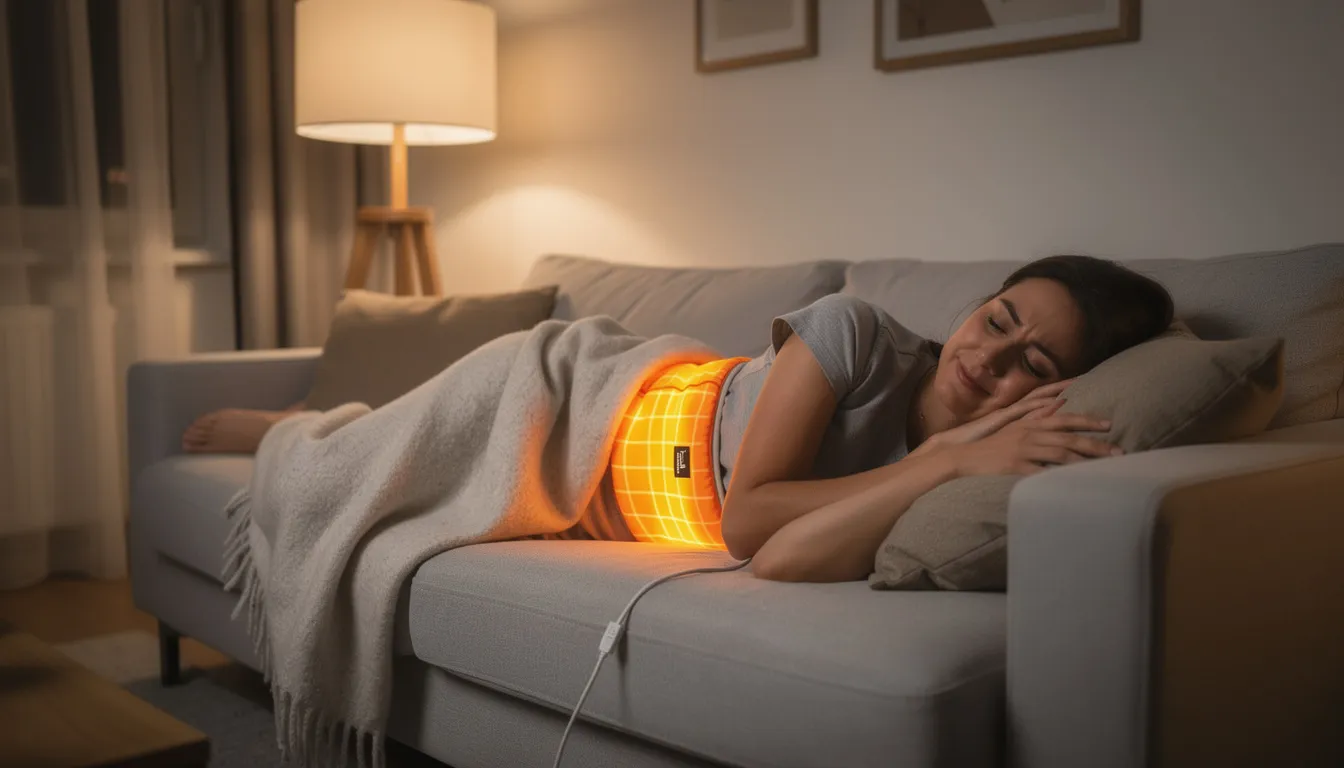
In Germany, 70–80% of all cannabis prescriptions are for chronic pain. Whether back pain, osteoarthritis, fibromyalgia, or neuropathic pain – many patients have already tried numerous medications before turning to cannabis.
Typical positive experiences:
-
Many report a reduction in pain intensity of about 30–50%, which is perceived as clinically significant in everyday life.
-
In addition to the pure intensity of pain, sleep, mood, muscle tension and daily activity often also improve.
-
Positive reports are particularly common in cases of neuropathic pain (e.g., polyneuropathy, phantom pain) and spasticity.
-
Individual patients can reduce or discontinue opioids – a topic that has been described in several smaller studies since 2018.
Less positive experiences:
-
Some patients experience little to no relief.
-
Severe fatigue, dizziness, or concentration problems are perceived as bothersome.
-
Some people discontinue therapy after a few weeks.
What do studies and registry data say about pain treatment with cannabis?
Since 2017, several observational studies and meta-analyses have shown mild to moderate effects in chronic pain. The CaPRis study, which analyzed data from over 186 randomized controlled trials, did not find superiority in substantial pain reduction (≥50%), but did confirm moderate effects (≥30%).
|
Study type |
Key findings |
|---|---|
|
Meta-analysis (Wong 2020) |
Positive effects on moderate pain intensity and quality of life in chronic pain |
|
CaPRis study |
Evidence for effectiveness as an adjunct in chronic pain |
|
RCTs neuropathic pain |
Clinically relevant NNTB (Number Needed to Treat), 30–50% pain reduction in subgroups |
|
Long-term study (38 weeks) |
At least 50% of participants with ≥30% pain reduction, dropout rate 23% |
CBD-dominant preparations are primarily discussed in relation to inflammatory and neuropathic pain, while THC-containing flowers are more frequently used for severe, chronic pain. Experts are calling for more high-quality, long-term studies to better define dosage, strain selection, and patient groups.
Medical cannabis for sleep disorders and insomnia
Sleep disorders – whether difficulty falling asleep or staying asleep – are among the most common reasons why people try cannabis. They often occur together with pain or psychological problems.
What patients report:
-
Many people use a low to medium dose of THC in the evening (e.g., an Indica-dominant strain or THC-containing drops).
-
Falling asleep faster and waking up less often during the night are frequently mentioned.
-
Reduction of nightmares and night terrors, especially in post-traumatic stress disorder
-
Vaporizers allow for a rapid onset of effects, while drops and extracts have a longer-lasting effect.
Challenges:
-
After a few weeks, some people report developing a tolerance – the same dose has a less pronounced effect.
-
Excessive doses of THC can trigger the opposite effects in sensitive individuals: restlessness, rapid heartbeat, increased rumination.
-
Individual adjustment of the dose and type by the doctor is essential.
What does research say about the effect on sleep?
Since around 2019, several smaller clinical studies have shown significant improvements in subjective sleep quality with medical cannabis. The method of administration plays an important role.
-
Inhalant (vaporizer): Fast onset of action (noticeable at least later)
-
Drops/oils and capsules: Longer duration of effect, but delayed onset (30–90 minutes)
Long-term data spanning several years is still lacking. Effects on sleep architecture and cognitive performance are still being investigated. Experts recommend always viewing cannabis as part of a sleep hygiene strategy – including regular sleep times, reduced screen time, and relaxation techniques – and not as a standalone solution.
Experiences with medical cannabis for migraines and headaches
Migraine patients have been trying cannabis for years, especially when classic prophylactic medications or triptans do not provide sufficient relief.
Positive reports:
-
According to some sufferers, regular, low doses (e.g., CBD-dominant oils with low THC content) can reduce the frequency and intensity of attacks.
-
Inhaled cannabis at the onset of an attack can cause nausea and light sensitivity to subside more quickly in some people.
Mixed experiences:
-
Some experience little to no benefit or even a decline in quality.
-
Height THC doses can worsen headaches or trigger restlessness
-
The method of administration (inhalation vs. oral ingestion) strongly influences the effect.
Studies up to 2024 show indications of potential benefits for migraine, but due to small sample sizes and the variety of medications involved, clear guideline recommendations are not yet possible. Patients should work closely with neurologists and keep a headache diary to document effects and side effects.
ADHD and mental illness: positive and negative experiences
Cannabis is increasingly being discussed in relation to ADHD, anxiety disorders and other mental illnesses – although in most cases it is not an officially approved medication.
ADHD in adults:
-
Some report better impulse control, less inner restlessness, and improved sleep.
-
Others experience more severe concentration problems and procrastination.
-
Especially the evening application in low doses is described positively.
Anxiety disorders:
-
Moderate doses of CBD are perceived by some as having an anxiety-relieving effect.
-
High doses of THC can increase anxiety or trigger panic attacks.
Important warnings:
-
Adolescents and young adults have a significantly increased risk of addiction and psychotic episodes when using high doses of THC.
-
Psychiatric specialists are very cautious and usually only use cannabis after exhausting established therapies.
-
Close monitoring is particularly important in cases of mental illness.
Is cannabis a viable option for people with ADHD?
As of 2025, there is no standard approval for cannabis for ADHD in Germany – its use is off-label.
What user reviews show:
|
Positive aspects |
Negative aspects |
|---|---|
|
Less sensory overload |
Increased distractibility |
|
Better sleep |
Loss of motivation |
|
Reduced hyperactivity |
Emotional flattening |
Small studies and case series have found positive signals regarding impulsivity and hyperactivity, but long-term safety data are lacking. Individuals with ADHD should never self-medicate with cannabis, but only use it in consultation with a specialist – and should also consider behavioral therapy and established medications.

Online prescriptions and digital healthcare: How do patients experience access?
Since around 2020/2021, things have been made easier Telemedicine services and specialized online practices significantly improves access to medical cannabis.
What patients appreciate:
-
Fast, location-independent access via platforms like Dr. Ansay and other providers
-
Short waiting times, especially in regions without experienced pain or cannabinoid clinics.
-
Structured online questionnaires and video consultations enable efficient counselling
-
Direct ordering and shipping via cooperating pharmacies with live stock
Concerns and criticisms:
-
Insufficient physical examination in purely telemedicine settings
-
Limited follow-up monitoring with some providers
-
The risk of "too loose" prescribing is being discussed.
-
The link between online medical practice and pharmacy is not always transparent.
Cost issue:
Statutory health insurance companies still frequently conduct individual case reviews. Many patients bear at least part of the therapy costs themselves – the prescription fee is only a small portion of this. If you are interested in having your costs covered by your health insurance, a well-documented application with a doctor's justification is essential.
Reputable providers rely on identity verification, close cooperation with pharmacies, and regular follow-up checks via app or email. Patients should receive answers to all their questions before placing an order.
Typical side effects and risks from a patient's perspective
Even with medical use, side effects are common and should be taken seriously.
Short-term physical side effects:
-
Tiredness and drowsiness
-
dizziness
-
dry mouth
-
Red eyes
-
Altered perception of time
-
Occasional heart palpitations
Psychological side effects:
-
Anxiety and anxiety
-
Paranoid thoughts
-
Rare psychotic episodes (especially with high THC doses or predisposition)
Long-term risks:
-
Tolerance development (same dose has a lesser effect)
-
Psychological dependence
-
Possible cognitive impairments, especially with early use
-
Interactions with other medications (blood thinners, blood pressure medications, psychotropic drugs)
Risk minimization:
A cautious dose increase following the principle of "start low, go slow," regular check-ups, and honest feedback to the doctor significantly reduce risks. In cases of unclear interactions—for example, with medications for dental surgery or other procedures—medical consultation is always necessary.
Research shows that cannabis flowers cause significantly fewer side effects in studies than synthetic alternatives such as dronabinol or nabiximols, with dizziness, fatigue and dry mouth remaining the most common effects.
Conclusion: How can experiences with medical cannabis be classified?
Medical cannabis can be a relevant option for many patient groups who are difficult to treat – chronic pain, spasticity, sleep disorders. But it is not a miracle cure.
Key findings:
-
Some patients benefit significantly, some little, and some discontinue treatment due to side effects.
-
Personal accounts, registry data, and studies present a consistent picture: effectiveness is individual and not guaranteed.
-
Individual benefit-risk assessment, medical supervision and regular check-ups are essential.
-
Destigmatization, better information, and practical guidelines are needed so that people are not forced to experiment on themselves.
Research in 2025 is significantly more robust than it was a few years ago. Experts like neurobiologist Tibor Harkany from the Medical University of Vienna emphasize the therapeutic potential, but warn against viewing cannabis as a universal solution. What we need are more high-quality studies and honest communication about the possibilities and limitations of cannabis therapy.
If you are interested in medical cannabis, speak openly with your doctor about your symptoms, previous treatments, and expectations. Only then can you determine together whether cannabis is a sensible addition to your medical treatment.
FAQ – Frequently Asked Questions about Experiences with Medical Cannabis
How quickly will I, as a patient, notice the effects of medical cannabis?
This depends heavily on the method of administration. With inhalation via a vaporizer, most patients experience initial effects within just a few minutes. Drops, oils, and capsules, on the other hand, take 30 to 90 minutes to take effect. The first noticeable effects usually appear within the first few days of treatment, but a complete assessment of effectiveness is only meaningful after several weeks of regular use.
Can I still drive a car while using medical cannabis?
The legal situation in Germany is complex. THC limits in road traffic These rules generally also apply to patients; however, with a doctor's certificate and stable medication, you can drive under certain conditions – never while under the influence of drugs or alcohol. There is a risk of a medical-psychological assessment (MPU) during traffic stops. Be sure to discuss your individual situation with your treating physician and, if necessary, a traffic medicine specialist before getting behind the wheel.
Will my health insurance cover the costs if I've had good experiences with cannabis?
Reimbursement is decided on a case-by-case basis by the statutory health insurance provider. It is usually reviewed in cases of serious illness and after other therapies have been exhausted. Applications are frequently rejected – many patients therefore receive private prescriptions and bear the costs themselves. A well-documented application with a doctor's justification and proof of previous treatment attempts increases the chances of approval.
Is medical cannabis safer than traditional painkillers or sleeping pills?
Cannabis carries different risks than opioids or benzodiazepines. It causes less respiratory depression and has a lower risk of overdose, but it does have psychological side effects and a risk of addiction. There is no blanket superiority – the decision must be made individually, taking into account all partners in the treatment (doctors, and possibly therapists).
What can I do if I experience side effects during cannabis therapy?
Contact your prescribing doctor immediately. Possible measures include reducing the dose, changing strains (e.g., more CBD, less THC), or taking planned breaks. Never abruptly stop using cannabis on your own if you have a serious underlying medical condition – discuss every step with your doctor in a structured consultation. This will help minimize unwanted side effects and allow your therapy to be adjusted.
Share:
Cannabis Pharmacy: Obtain medical cannabis safely with a prescription
9H-HHC: Efficacy, safety, products & legal situation in Germany